14 Diabetic Lunch Recipes That Survive a Lunch Box
Diabetic lunch recipes fail at a different hour than they are written for. The recipe is judged at Sunday prep or in a photo, but the lunch is eaten at Thursday noon, four days old, out of a box, possibly cold because the office microwave has a line. This page is engineered for Thursday. Every build below is rated for how it holds, whether it needs heat at all, and whether its components survive contact with each other overnight, which is the failure mode meal prep articles politely ignore.
The systems come first, then the fourteen builds, then the packing rules that keep day four from tasting like day four. Cards carry USDA-calculated numbers throughout, portions stated per container.
Two Systems Beat Twenty Recipes
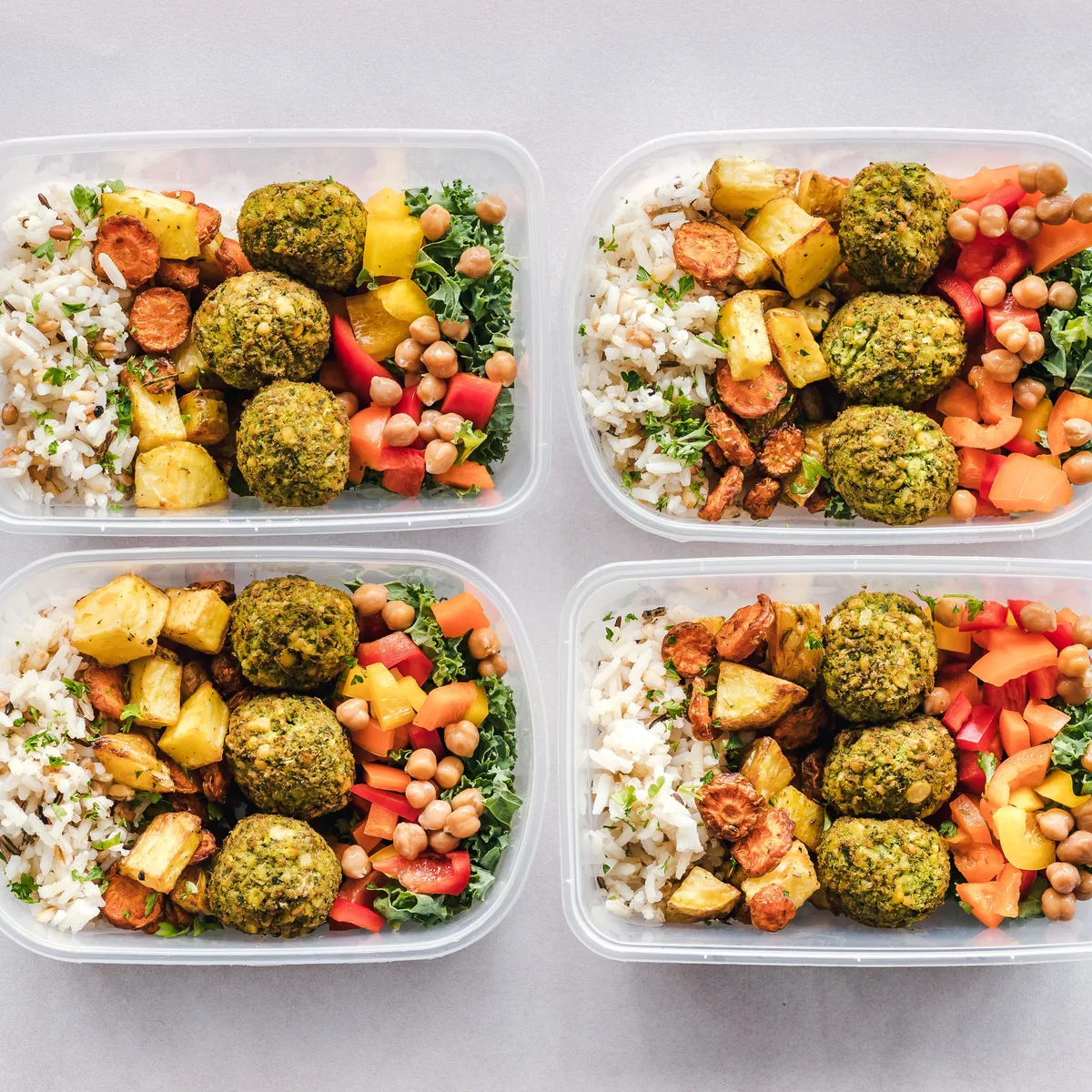
The components system. Instead of five identical boxes, Sunday produces components: one poached protein from the diabetic chicken breast recipes bank, one batch of a sturdy base like lentils or roasted vegetables, one jar of vinaigrette, washed greens, and a bag of the snack drawer’s boiled eggs. Each morning assembles a different box in four minutes, which defeats the real enemy of meal prep, which is not effort but boredom at day four.
The planned-double system. Every dinner on this section’s pages that holds well, the chilis, the soups, the salsa chicken, the turkey lettuce wrap filling, gets cooked at double on purpose, and tomorrow’s lunch is tonight’s dinner in a container before the table is even cleared. Zero additional cooking, one additional habit.
Cold Builds, No Microwave Required
Chicken salad, the real one, 15 minutes. Poached shredded chicken, celery, scallion, measured mayonnaise cut with Greek yogurt. Packed over greens or into lettuce cups at noon, never assembled ahead; dressed greens are compost by Tuesday.
Chickpea and feta box, 15 minutes. Rinsed chickpeas, cucumber, tomato, red onion, feta, oregano vinaigrette in its own small jar. This box improves by day two as the onion mellows into the beans, one of the few lunches that ages forward.
Tuna white bean box, 10 minutes. Oil-jar tuna, white beans, capers, parsley, lemon. The pasta page’s pantry dinner, rebuilt cold for noon. No lettuce means no wilt means it holds all week.
Egg salad with dill on crispbread, 15 minutes. The snack drawer’s eggs, measured mayonnaise, mustard, dill, carried beside shards of the seeded crispbread from diabetic bread recipes. Spread at noon; crispbread packed under egg salad arrives as regret.
Turkey, cheese and pickle roll box, 10 minutes. The deli rollup graduated: turkey, Swiss, whole dill pickles, pepper strips, a palm of almonds. Zero cooking, and the box that converts sandwich loyalists most gently.
Smoked salmon and cucumber box, 10 minutes. Salmon, cucumber rounds, boiled egg, cream cheese by the counted spoon, capers. The fancy Friday box, priced accordingly, still cheaper than the cafe it imitates.
Hot Builds That Reheat With Dignity
Turkey chili, doubled from dinner, day two through four. Chili is the reheat king: it survives any microwave, improves overnight and freezes in single portions for the week the system collapses. Both bean and no-bean versions counted at diabetic ground beef recipes.
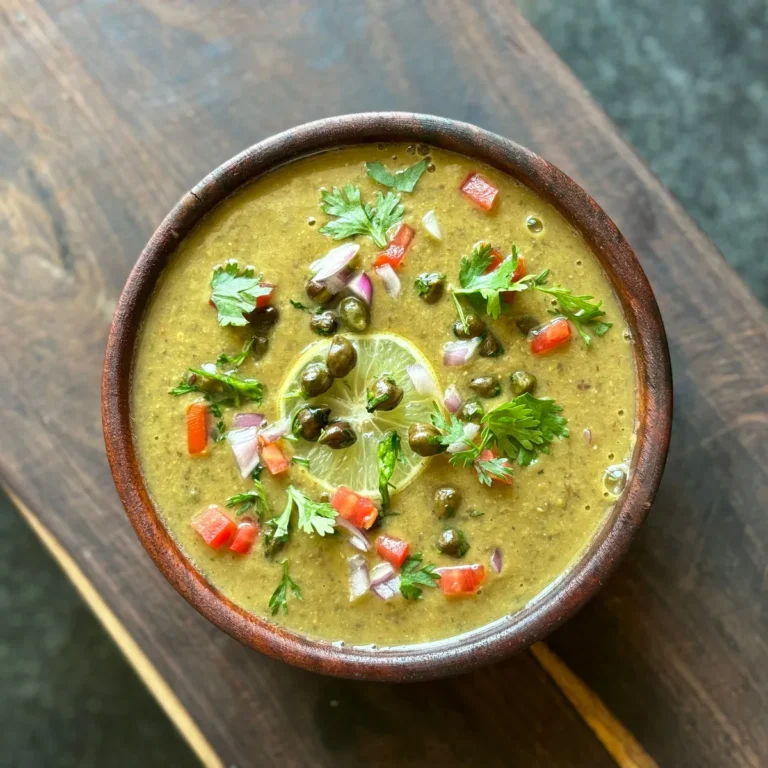
Lentil soup in a jar, 40 minutes Sunday. The red lentil lemon pot portioned into five jars. Reheats gently, holds five days, and the lemon brightness survives the microwave better than cream soups ever do.
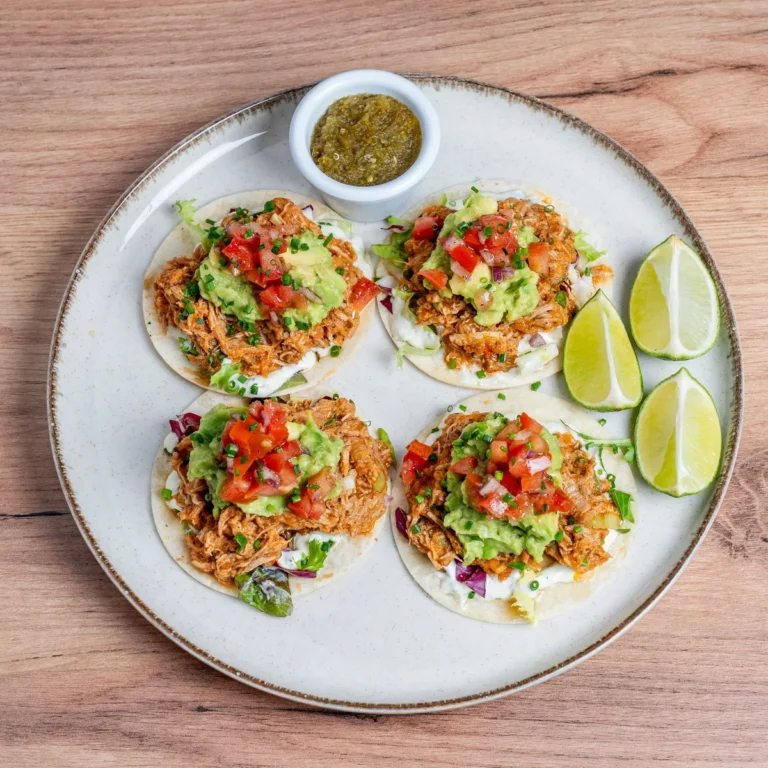
Salsa chicken bowls, from the crock pot bank. Shredded salsa chicken over a scoop of rice or cauliflower rice, both counted on the card, cabbage slaw packed separate. The slaw-separate rule is the difference between crunch and coleslaw soup.
Stuffed pepper halves, reheated, from dinner’s double. The halved build reheats better than the upright classic, covered, at medium power. Two halves per box with a green side.
Frittata squares, 45 minutes Sunday. Eggs, sauteed vegetables and feta baked in a square pan, cut into eight, eaten warm or honestly good cold, which makes it this page’s most schedule-proof protein.
Chicken and vegetable soup, doubled from any soup night. The stock-first soup travels in the same jars as the lentil pot. Freeze two jars of every batch; future you runs out of Sundays eventually.
Ginger turkey filling over rice, from the lettuce wrap dinner. The wrap filling reheats perfectly; the lettuce does not travel. Swap in a measured scoop of rice or the cabbage slaw, cups packed separate if lettuce is non-negotiable.
Beef and cabbage skillet, doubled. The cheapest dinner on the beef page is also a top-tier reheater, because cabbage cooked soft has no further texture to lose and only flavor to gain.
Packing Rules That Hold to Thursday
Wet and dry meet at noon, not at 7 am: dressings in tiny jars, slaws and crunchy things in their own compartment, crispbread wrapped separately. Acid is the freshness illusion, so pack a lemon wedge or a lime with anything that might taste tired by Thursday; thirty seconds of squeezing revives a box more than any reheating does. Glass containers earn their weight for anything reheated, because day-four chili in scratched plastic tastes faintly of every lunch before it. And label the freezer jars, the same rule as every bank this section keeps.
The Container Kit
The gear list is short and it is not optional, because the packing rules above assume it. Two or three glass containers with locking lids carry everything reheated; glass survives the microwave without holding ghosts of last month’s chili. A set of two ounce jars, the kind sold for jam, carries every dressing this page mentions, and the difference between a jar and a plastic cup with a press lid is discovered exactly once, in a work bag. One divided container handles the wet-dry separations, turkey rolls on one side and almonds on the other. And a small hard-sided box protects the crispbread and anything else that arrives as crumbs when carried soft.
Two habits complete the kit. Wash containers the same evening they come home, because the Thursday of a meal prep week dies fastest to a sink of Monday’s boxes. And run a Sunday count: five lids, five bases, before the cooking starts. The system’s real enemies are this small.
How the Numbers Work
Every card counts its container ingredient by ingredient from USDA FoodData Central, source entries archived, per our editorial policy. Portions are stated per box, dressings counted at their jar size, and total carbohydrates and fiber stay separate, never netted. Where a build offers rice or cauliflower rice, the card states both versions plainly, the same two-version honesty the dinner pages run.
Why the Components Swap and the Lemon Wedge Work
Two mechanisms sit under this page. The first is variety: a box assembled differently this morning is a box more likely to get opened on Thursday, because what breaks meal prep is not the effort but the monotony of a fifth identical lunch, and the components system builds that variety in by design. The second is acid. Refrigerated food loses its volatile aroma compounds over several days, which the palate reads as flat, so a squeeze of lemon or lime at noon restores the bright acidity the nose and tongue register as fresh. That is why the packing rules put a citrus wedge in the box rather than trusting reheating to bring a day-four lunch back.
FAQ
How many days ahead can I actually prep? Cooked proteins and soups hold four days refrigerated; the chickpea and tuna boxes hold five. Dressed greens hold zero, which is why every green on this page travels dry with its jar. Freeze anything meant for further out.
What if I have no microwave access? Half this page is built cold on purpose, and the frittata squares are the bridge food, designed to be eaten either way. The components system leans naturally cold.
Are sandwiches banned? Nothing is banned here. The bread conversation, with real loaves weighed by the slice, lives at diabetic bread recipes; a sandwich on a counted slice with a protein filling is a legitimate box, and the crispbread builds scratch the same itch with longer shelf life.
What about eating out at lunch? Outside our lane; we publish recipes with verifiable numbers, and a restaurant plate has none. The one portable habit from this page is the protein-plus-crunch-plus-acid template, which orders well anywhere.
Which system first? Planned doubles, tonight. It costs one habit and zero extra cooking, and it funds lunches while the Sunday components routine finds its feet.
Where to Go Next
The dinner pages that double best are diabetic ground beef recipes and diabetic slow cooker recipes, the snack drawer that feeds these boxes is at diabetic snack recipes, and the whole section starts from the diabetic recipes pillar.
Written by Frank Thomson, Skillet & Spoon editorial. Every nutrition figure on this site is calculated ingredient by ingredient from the USDA FoodData Central database, never estimated and never rounded to look better. We do not publish net-carb figures or use non-nutritive sweeteners. How we develop and source recipes is set out in our editorial policy.