Mexican Zucchini Recipes: Calabacitas, the Skillet Way
Mexican zucchini recipes begin and mostly end with calabacitas, the squash, corn and tomato skillet that Mexican households have used to absorb the summer harvest for generations. The name means “little squashes”, the traditional vegetable is the pale Mexican gray squash, and supermarket zucchini stands in without apology, which is why this page uses the name your grocery store does.
The dish stands or falls on one preparation step that most recipes skip: salting the squash before it cooks. Zucchini is mostly water, and water is the enemy of every browned, structured, non-soggy outcome this skillet promises.
Ingredients
Method
- Toss the diced zucchini with the half teaspoon of salt in a colander and let it drain 15 minutes. Pat it aggressively dry. This step is the recipe.
- Heat the oil in a wide skillet over medium-high. Cook the onion 3 minutes, then the garlic and jalapeno for 1 more.
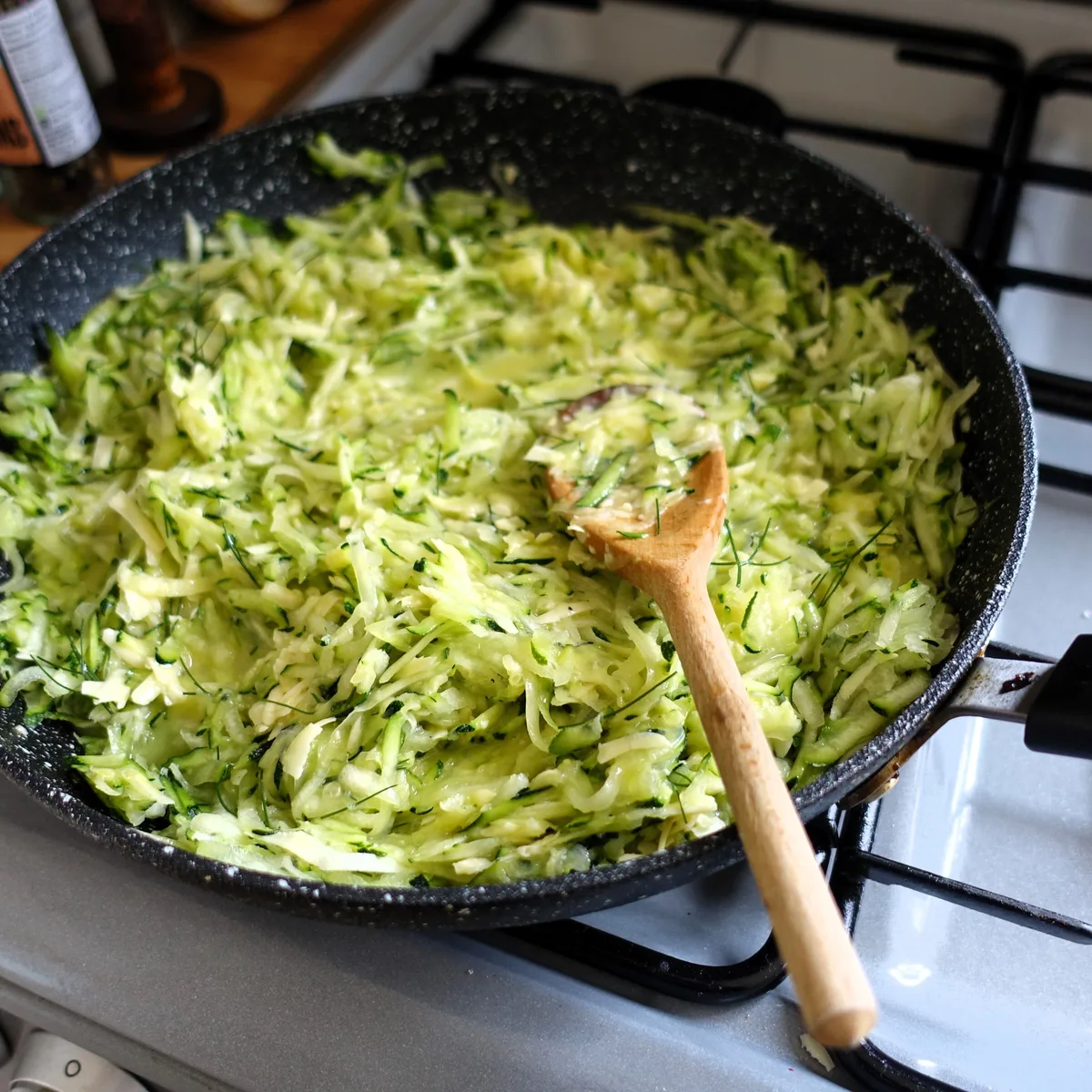
- Add the dried zucchini in as close to one layer as fits. Cook 4 to 5 minutes, stirring only twice, so it browns in spots instead of steaming.
- Add the tomato, corn, cumin and oregano. Cook 3 to 4 minutes until the tomato softens but the zucchini still has bite.
- Kill the heat, scatter the cheese over, and lid the pan 2 minutes to melt.
- Finish with cilantro, taste for salt, and serve from the skillet.
Why This Recipe Works
- Salt and drain first. Fifteen minutes in a colander pulls out the water that would otherwise steam the pan. A dry surface can climb past the boiling point where browning begins, while a wet one holds the pan at 100C and only stews, which is why salted squash browns and unsalted squash steams.
- Crowd nothing, stir little. One layer, minimal stirring, real browning. The fajita rule applied to a vegetable.
- Cheese off the heat. Melted under a lid at the end, jack stays creamy instead of breaking into grease.
Ingredient Notes
Zucchini. Three medium, small ones if the market offers them; small squash is denser and seedier only in the trophy sizes. Mexican gray squash, where available, is the original and swaps one for one.
Corn. Fresh off one large ear or thawed frozen kernels toweled dry. The dry rule follows corn everywhere on this site.
Tomato. Roma or any firm tomato, diced. The tomato provides the sauce; watery salad tomatoes provide regret.
Cheese. Monterey jack as written; Oaxaca where you can get it is the upgrade; cotija crumbled over the top instead makes the drier, sharper version. All three are traditional somewhere.
The Method, Step by Step
The colander stage. Dice, salt, wait fifteen minutes, and watch the surprising puddle form. Pat the squash truly dry with towels; the drier it enters the pan, the better everything after goes. Use the waiting time to prep everything else, and the recipe’s twenty prep minutes are really five of knife work.
Build the base hot. Onion first in the oil, then garlic and jalapeno briefly. The pan should stay assertive; this dish cooks fast by design.
Brown, then sauce. Zucchini in one layer, left alone long enough to catch color, then the tomato, corn and spices to build the light sauce. The finish is bite, not mush: the squash should still push back slightly against a fork when the cheese goes on.
From Side to Supper
Calabacitas is a side by birth and a main by promotion. A fried egg on top makes it breakfast-for-dinner; a can of drained white beans folded in with the tomato makes it a vegetarian main with real substance, per our vegetarian collection’s playbook; and yesterday’s shredded chicken stirred through at the cheese stage makes it a complete one-skillet dinner. It also folds into quesadillas, tops tostadas, and fills the vegetarian half of a taco night without a second recipe. Few dishes on this site move between roles this easily, which is exactly why the harvest-season tradition built it.
Substitutions, Storage and Make-Ahead
Yellow squash swaps freely, poblano replaces the jalapeno for smokier-milder, and crema drizzled at the table takes it in the con-crema direction our squash roundup describes. Leftovers keep three days and reheat in a skillet acceptably, though the texture softens; the freezer is off the table entirely, since squash cell walls do not survive it. For meal prep, do the knife work and salting ahead, refrigerate the dried squash, and the dinner becomes a twelve minute skillet on the night.
The Harvest-Season Playbook
Calabacitas exists because squash arrives in waves, and the dish is happiest treated as a system rather than a single dinner. During the August pile-up, the salting stage batches: dice and salt a whole colander’s worth, dry it, and refrigerate what the skillet cannot hold; salted-and-dried squash keeps two days and turns every subsequent batch into a twelve minute dish. The overflow destinations are all one technique away: folded into quesadillas with jack, spooned over tostadas with crema, stirred into the sopa de calabacitas from our squash collection, or scrambled into eggs for an off-the-cuff breakfast version.
The dish also freezes its flavor if not its texture: a cooked batch blended with broth becomes the base of a silky squash soup that hides every textural sin the freezer commits. Nothing from the harvest needs to be wasted; it just needs to be routed, and this skillet is the routing station.
Why Salting Beats Heat Management
Zucchini is roughly 95 percent water, most of it held inside the cells. Salt draws that water out osmotically over fifteen minutes, so the squash enters the pan already drained. A dry surface can rise past 100C, where the browning reactions start, while undrained squash keeps releasing water into the pan and pins the temperature at the boiling point, so the vegetable steams into a soft stew instead of browning. No amount of heat under the pan can outrun the water still inside the squash, which is the entire reason this card lists salt twice: once as a tool, once as a seasoning.
FAQ
Is calabacitas supposed to have meat? The base dish is vegetable-forward and meatless; pork or chicken versions exist regionally and the shredded-chicken promotion above is in that spirit. As written it is naturally vegetarian.
Can I make it vegan? Skip the cheese or use the pepita crumble from our vegan collection, and it is fully plant-based with nothing missing but the lid step.
Why is my calabacitas watery? Skipped salting, crowded pan, or watery tomatoes. All three are solved in the card, and the salting stage is the big one.
What do I serve it with? Beside any grilled or braised main as the vegetable, or over rice with beans as the meatless plate. It is the summer slot in the plate formula: one starch, one sharp thing, this skillet.
Does it work with winter squash? No; butternut and its relatives need roasting, not a fast skillet, per the seasonal line our squash collection draws. This is a summer-squash dish by physics, not preference.
Where to Go Next
The squash family continues at mexican squash recipes, and the full collection starts at easy mexican recipes at home.
Written by Frank Thomson, Skillet & Spoon editorial. Every nutrition figure on this site is calculated ingredient by ingredient from the USDA FoodData Central database, never estimated and never rounded to look better. We do not publish net-carb figures or use non-nutritive sweeteners. How we develop and source recipes is set out in our editorial policy.