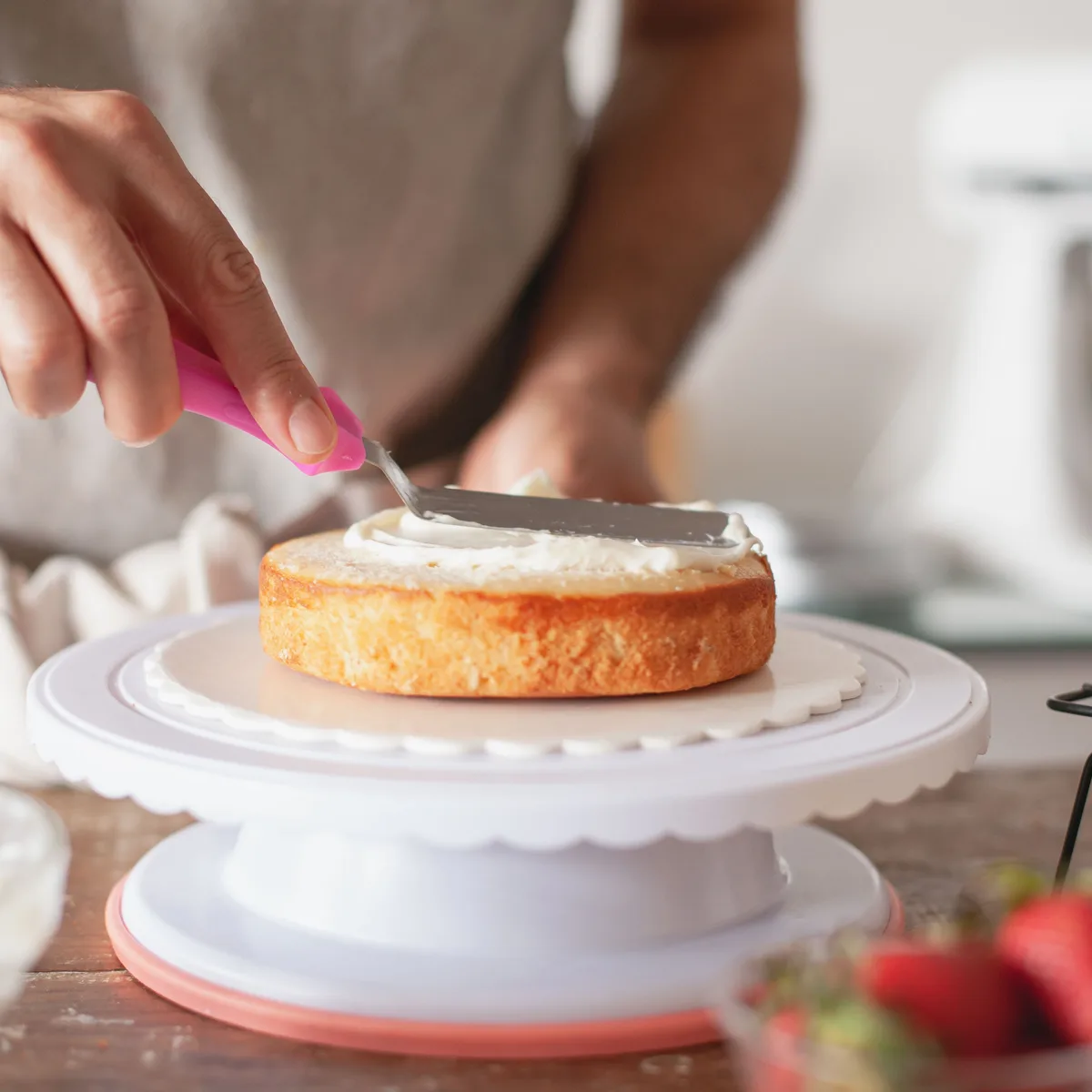
Frosting Recipes: Buttercream, Cream Cheese, Ganache and More
Frosting recipes are mostly fat whipped with sugar, and the type you choose decides how sweet it is, how stable it is in a warm room, and how it pipes. A frosting that turns out grainy, greasy, runny or too sweet is almost always one where the fat was the wrong temperature or the sugar was the wrong kind or amount, not a bad recipe. This page groups the main frostings and icings by what they are built on, so you can pick the right one for a cake, a cupcake or a cookie and get it to the right consistency. Every number here is from USDA FoodData Central, and the sweetness is real sugar, which the structure of a frosting depends on.
American Buttercream
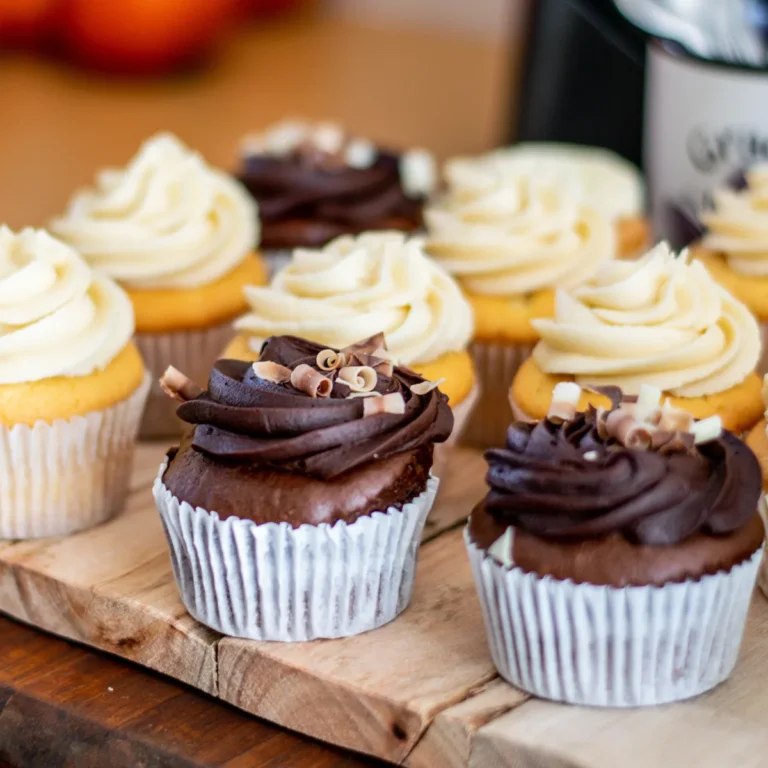
The quickest and sweetest frosting is American buttercream: softened butter beaten with powdered sugar and a little liquid. It is sturdy, pipes well and holds at room temperature, but it is the sweetest of the lot because it is mostly sugar. Two rules keep it smooth: beat the butter well before the sugar goes in so it is light, and use powdered sugar rather than granulated, because granulated sugar will not dissolve and leaves it gritty. If it is too stiff, add liquid a teaspoon at a time; too soft, more powdered sugar.
Meringue Buttercreams (Swiss and Italian)
Swiss and Italian meringue buttercreams are silkier and far less sweet, built on egg whites and sugar whipped into a meringue with butter beaten in. Swiss gently heats the whites and sugar together over water first; Italian streams in a hot sugar syrup. Both take more technique, and both can look curdled or soupy partway through, which is normal: keep beating and the right temperature brings it together. These are the frostings for someone who finds American buttercream too sweet.
Cream Cheese Frosting
Cream cheese frosting is softer, tangier and less sweet, which is why it suits carrot and red velvet cakes. It is cream cheese and butter beaten with powdered sugar, and its one weakness is heat: it softens and slides in a warm room, so a cake wearing it must stay cool, and the cake underneath must be completely cold before frosting. Beat it only until smooth, because over-beating makes it loose.
Whipped Cream and Stabilised Cream
Whipped cream is the lightest topping, cream whipped with a little sugar until it holds. It whips stiff only when the cream and bowl are cold, because warm fat will not trap air. On its own it softens within hours, so for anything that must hold, it is stabilised with a little gelatin or folded with mascarpone or cream cheese, which keeps it standing for a day.
Ganache
Ganache is chocolate and hot cream stirred smooth, and the ratio decides everything. Equal weights of chocolate and cream make a soft, pourable glaze; more chocolate than cream makes a firm ganache that sets enough to whip or to roll into truffles. Pour it warm for a glossy drip, or let it cool and whip it for a fluffy frosting. Keep water away from the chocolate as it melts, or it seizes.
Royal Icing and Glazes
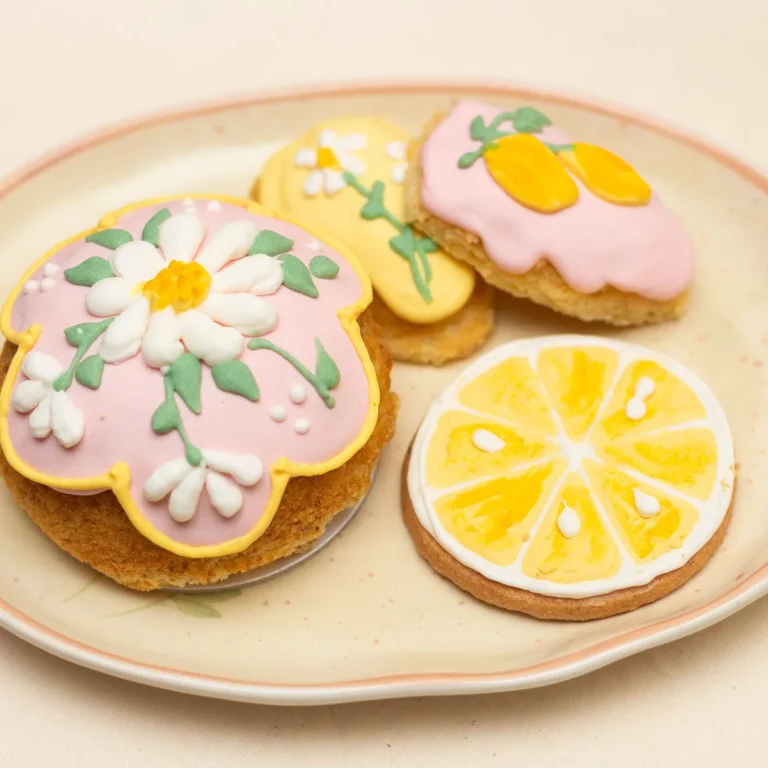
For cookies, royal icing is the one that dries hard: egg white or meringue powder beaten with powdered sugar, thinned to flood or kept stiff to pipe outlines. It sets firm enough to stack and holds fine detail. A simple glaze, powdered sugar with a little liquid, stays softer and is faster for a casual drizzle. Both go on fully cooled bakes.
Matching Frosting to the Bake
The frosting follows the job. Buttercream pipes tall swirls on cupcakes and holds in a warm room; cream cheese suits carrot and red velvet from the cake recipes collection but needs the fridge; whipped cream is for serving soon; ganache drips over cakes or fills them; royal icing decorates cookies. Choosing the frosting for the conditions, warm day or cool, serve-now or make-ahead, matters as much as the flavour.
Getting the Consistency Right
Most frosting problems are consistency, not flavour, and the fixes are small. A frosting too stiff to spread or pipe loosens with a teaspoon of milk or cream at a time; one too soft to hold a swirl firms with more powdered sugar, or a spell in the fridge if the fat has simply warmed. For piping, buttercream wants to be stiff enough to hold a sharp edge but soft enough to push through a tip without aching your hand, and testing a small swirl before filling the bag saves a whole batch. Temperature drives most of this, because every butter-based frosting softens in a warm kitchen and firms in a cool one.
Colouring and Flavouring
Frosting takes colour and flavour easily, with a couple of rules. Use gel or paste food colour rather than liquid, because liquid colour added in any quantity thins the frosting and can loosen it past the point of piping. Flavourings like vanilla, citrus zest, melted chocolate or a spoon of fruit puree stir in at the end; keep wet additions small, since too much liquid thins buttercream the same way liquid colour does. A pinch of salt sharpens a frosting that tastes flatly sweet.
How Much Frosting You Need
Running short halfway through a cake is a common frustration. As a rough guide, a two-layer cake wants noticeably more frosting than it looks, enough to fill the middle, coat the sides, and top it, and a dozen cupcakes with tall piped swirls use nearly as much as a cake. It is better to make a little extra than to stretch a batch thin, because a crumb coat plus a final coat, the clean way to finish a cake, uses more than a single pass. Leftover buttercream keeps in the fridge for weeks and re-whips to smooth.
A Note on Sugar
Sugar is structural in a frosting, not just sweet: it gives buttercream its body, sets royal icing hard, and balances the tang of cream cheese. This site uses real sugar, counted honestly from USDA data, and never non-nutritive sweeteners, which do not build structure and leave a frosting thin or gritty. For carb-counted sweets, see the diabetic dessert recipes collection.
Storing and Reusing Frosting
Frosting keeps well, which makes it worth making in a full batch. Buttercream, American or meringue, keeps in the fridge for a week or two and in the freezer for months; bring it back to room temperature and re-whip it to smooth before using, since it firms solid when cold. Cream cheese frosting keeps a few days in the fridge only. Ganache keeps at room temperature for a day and longer chilled, and it re-melts gently to pour again. A finished, frosted cake follows the frosting’s rule: buttercream and ganache hold at room temperature, while cream cheese and whipped cream send the whole cake to the fridge.
FAQ
Why is my buttercream grainy? You likely used granulated rather than powdered sugar, which does not dissolve, or did not beat the butter smooth first. Use powdered sugar and beat the butter well before adding it.
Which frosting is the least sweet? Swiss or Italian meringue buttercream, which are built on whipped egg whites and butter with far less sugar than American buttercream. Cream cheese frosting is also less sweet and tangier.
Why does my cream cheese frosting slide off the cake? It got warm, or the cake was not cold. Cream cheese frosting softens in heat, so chill it, frost a fully cooled cake, and keep the finished cake cool.
How do I fix runny or curdled meringue buttercream? Keep beating, and check the temperature. It commonly looks soupy or curdled partway through, and continued beating at the right temperature brings it smooth.
What frosting holds up in warm weather? American buttercream and ganache hold best at room temperature. Cream cheese and whipped cream frostings need the fridge and will not survive a warm day on the table.
Can I make frosting with a sugar substitute? This site does not, because sugar gives frosting its structure and sets royal icing, which substitutes cannot do. We use real sugar and count it honestly.
Where to Go Next
Pair these with the cake recipes and cupcake recipes guides, and use royal icing on the cookie recipes collection. For the baking behind every dessert, see dessert recipes. For the smooth, pipeable American classic, see buttercream frosting.
Written by Frank Thomson, Skillet & Spoon editorial. Every nutrition figure on this site is calculated ingredient by ingredient from the USDA FoodData Central database, never estimated and never rounded to look better. We do not publish net-carb figures or use non-nutritive sweeteners. How we develop and source recipes is set out in our editorial policy.