Mexican Chicken Soup Recipes: Caldo de Pollo at Home
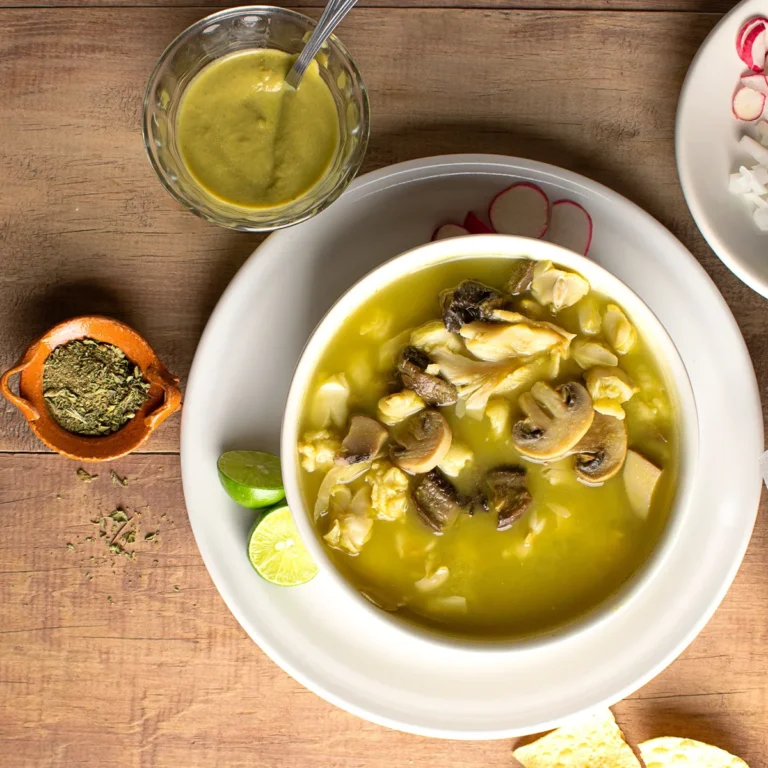
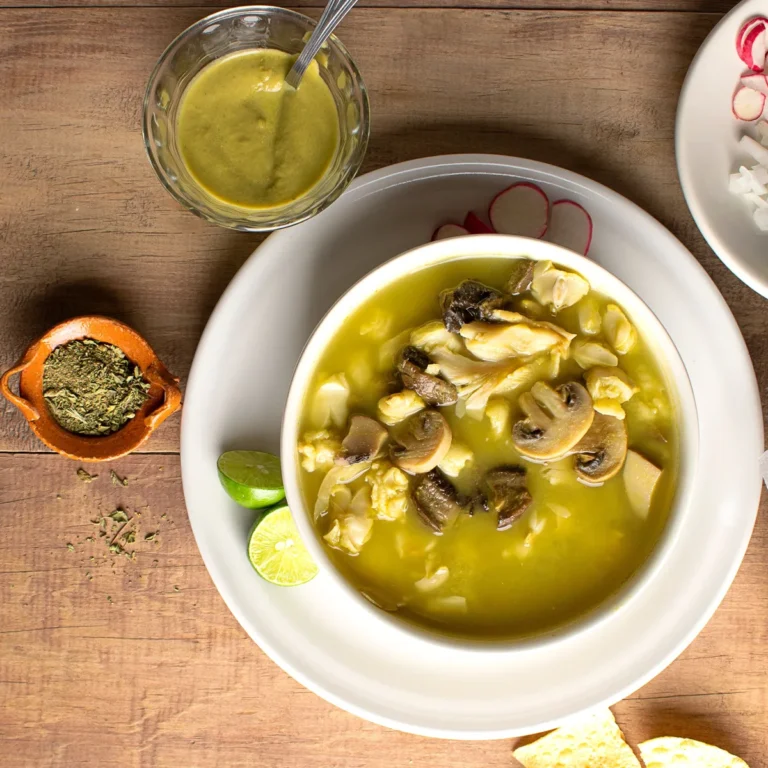
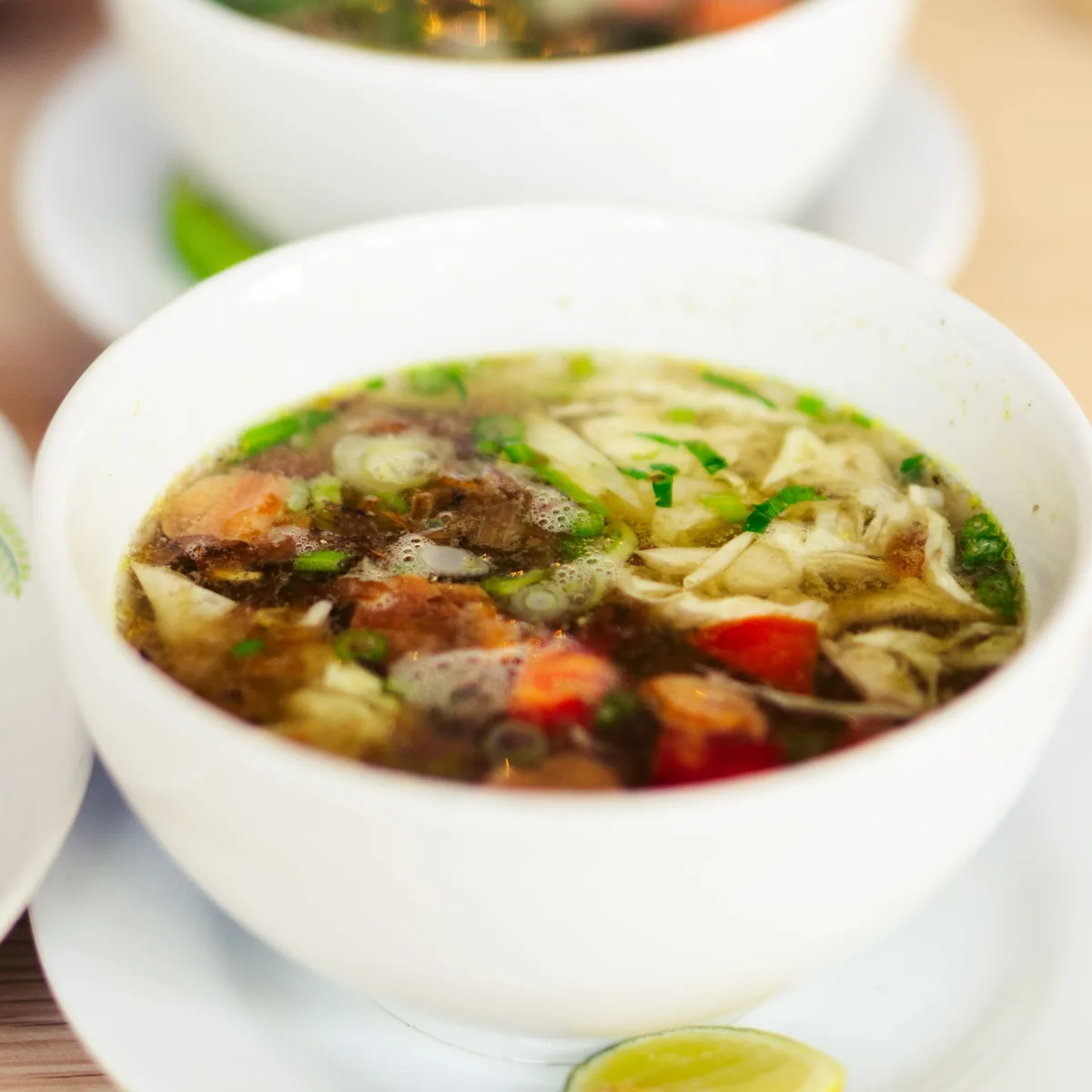
Mexican chicken soup recipes converge on caldo de pollo, the market-stall and home-kitchen classic that treats soup as a full meal: big pieces of chicken and whole chunks of vegetable in a clear, deeply seasoned broth, finished at the table with lime, cilantro and tortillas. It is the dish Mexican families reach for on cold days, sick days and Sundays, and the version below is built to be that pot.
The two decisions that matter: thighs on the bone for the broth’s sake, and vegetables added in stages so everything lands tender at the same finish line.
Ingredients
Method
- Put the skinless thighs, broth, onion halves, garlic, oregano, cumin and salt in a large pot. Bring to a bare simmer and skim any foam in the first 10 minutes.
- Simmer gently, partly covered, 25 minutes. A hard boil clouds the broth and toughens the meat; lazy bubbles are the setting.
- Add the carrots, potato and corn rounds. Simmer 15 minutes.
- Add the zucchini and simmer 8 to 10 more minutes, until every vegetable is tender but intact.
- Pull the thighs, shred the meat off the bones in big pieces, and return it to the pot. Discard the bones and onion halves.
- Taste for salt boldly; a big brothy pot hides underseasoning. Serve in deep bowls with cilantro, lime wedges and warm tortillas.
Why This Recipe Works
- Bone-in thighs build the broth. Meat alone flavors broth politely; bones and connective tissue give it body. Thighs also survive the simmer where breasts would stringify, per the thigh doctrine of this site.
- Staged vegetables. Carrots and potatoes need twice the time zucchini does. Adding everything at once is how one vegetable dissolves while another crunches.
- The garnish plate finishes it. Lime, cilantro, warm tortillas, maybe minced jalapeno: the raw, bright layer at the table is what makes caldo taste like caldo, the same rule pozole taught our soup collection.
Ingredient Notes
Chicken. Bone-in thighs with the skin pulled off: the bones enrich, the removed skin keeps the broth clean instead of greasy. Save the skins for cracklings or discard without guilt.
Broth. Starting from broth rather than water is the home shortcut that gets weeknight caldo to weekend depth; our nutrition calculates against USDA’s ready-to-serve chicken broth. Water works with an extra hour and more salt.
Vegetables. The classic quartet as written, and caldo forgives additions: chayote in place of a potato, cabbage wedges in the last ten minutes, green beans with the zucchini. Big pieces are the tradition; a caldo diced small is a different soup.
Corn rounds. Ears cut crosswise into thick wheels, simmered in the pot, gnawed happily at the table. They flavor the broth and slow down dinner in the best way.
The Method, Step by Step
Start the broth quietly. Thighs, aromatics and broth to a bare simmer, foam skimmed early. The clarity of the final bowl is decided in these first ten minutes: skim gently, never boil hard.
Stage the vegetables. Roots at minute 25, squash near the end. Everything should arrive tender-but-intact together, each piece recognizable, none dissolving.
Shred big, season boldly. The meat returns in spoon-sized pieces, and then comes the tasting that matters: brothy pots swallow salt, and the difference between flat and glorious caldo is usually one more confident pinch plus the lime at the table.
The Sick-Day and Every-Day Versions
Caldo carries a reputation as Mexican penicillin, and the sick-day build leans into it: extra garlic, a knob of ginger if the house allows the heresy, rice simmered separately and added per bowl, and the broth ladled over everything hot enough to fog glasses. For everyday dinner, the pot as written feeds six with tortillas, and the leftover logic is generous: the broth deepens overnight, and the pot reheats gently for three days. Store any separately cooked rice apart, per the soup collection’s swelling rule, and add it per bowl at reheat.
Substitutions, Storage and Make-Ahead
Boneless thighs work with slightly less broth-body and ten fewer minutes; a whole cut-up chicken is the abuela-scale version of the same method. The pot keeps three days refrigerated and freezes well in its broth for two months, minus any rice. For meal prep, the move is jars: meat, vegetables and broth portioned together, garnish packed dry, and the pre-heated thermos trick from our lunch guide makes this the best desk lunch in the building.
The Garnish Plate, Specified
Because the garnish layer is half the dish, it deserves its own list rather than a vague mention: lime wedges in quantity, two per bowl minimum; chopped cilantro; finely minced white onion; sliced radish for crunch; minced serrano or jalapeno for the heat-seekers; dried oregano crumbled between fingers over the bowl; and warm corn tortillas in a towel-lined basket, which function as both bread and spoon. Set it all in small bowls down the table and every eater tunes their caldo to taste, the same opt-in architecture that runs pozole and, honestly, the entire cuisine.
A modest scoop of plain rice per bowl is the other classic addition, and it converts the soup from lunch into a full dinner for teenagers and field crews alike. Keep the rice separate until serving, always; rice stored in broth drinks the pot dry overnight, per the swelling rule from our soup collection.
Why Staging the Vegetables Matters
Carrots and potatoes are dense and starchy, and they need roughly twice the simmering time zucchini does. Zucchini is mostly water held in soft cell walls that collapse quickly in hot broth, so a piece added at the start dissolves into the liquid long before a carrot core turns tender. Adding the roots first and the squash near the end gives each vegetable only the time it needs, so they all reach tender-but-intact together in a clearer broth. Staging costs nothing except remembering, which is what the card’s timeline is for.
FAQ
Is caldo de pollo the same as tortilla soup? No. Tortilla soup is a blended, chile-tomato broth garnished with fried strips; caldo is a clear broth crowded with big chicken and vegetables. Our soup collection holds both; this is the homier of the two.
Can I make it in a slow cooker? Yes: thighs and roots on low for six hours, zucchini and corn for the last forty minutes, per the appliance rules in our crock pot collection. The stovetop’s staging translates directly.
How do I make it spicier? Minced jalapeno or serrano at the table, or a chipotle simmered in the pot. The broth itself stays gentle by tradition; heat is a garnish decision.
What if my broth tastes thin? Simmer twenty minutes longer uncovered, then salt again. Thin caldo is almost always underseasoned or under-reduced, and both fixes are free.
What goes alongside? Warm tortillas, a modest rice added per bowl, and the garnish plate. It is a complete meal by design; the sides are participation, not support.
Where to Go Next
The rest of the soup bench lives at mexican soup recipes, and the full collection starts at easy mexican recipes at home.
Written by Frank Thomson, Skillet & Spoon editorial. Every nutrition figure on this site is calculated ingredient by ingredient from the USDA FoodData Central database, never estimated and never rounded to look better. We do not publish net-carb figures or use non-nutritive sweeteners. How we develop and source recipes is set out in our editorial policy.