19 Mexican Casserole Recipes That Feed a Crowd
Mexican casserole recipes exist because rolling enchiladas for six people is a job and layering them is not. Same ingredients, same flavour, a third of the work.
There is one baking method that applies to nearly every casserole here and fixes the two problems people complain about.
Covered First, Then Uncovered
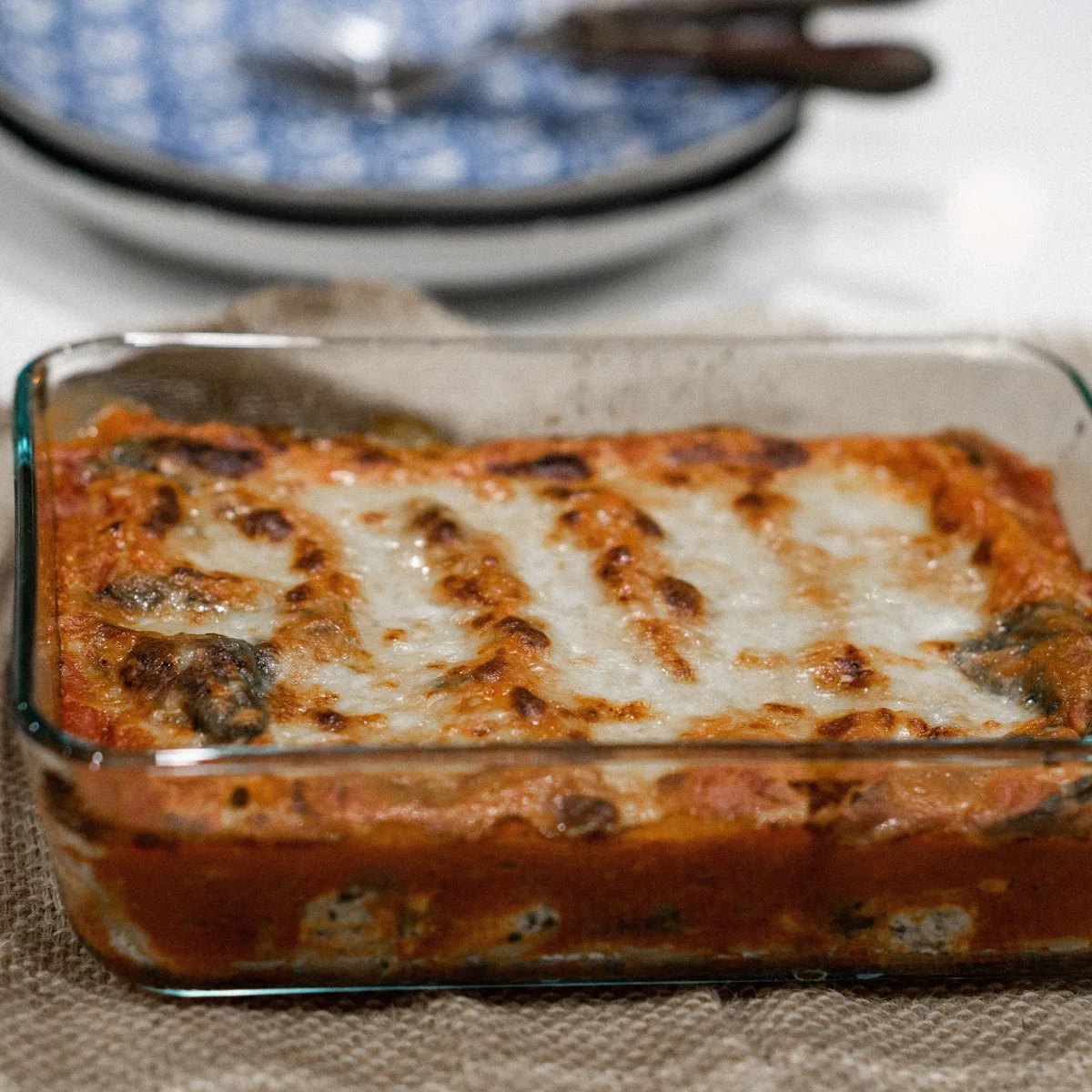
Bake covered with foil for 25 minutes at 375F, then uncover for 10 to 15 minutes.
Covered, the moisture stays in and the tortilla layers steam soft and cook through. Uncovered from the start, the top dries out and browns before the middle is hot, which is the burnt cheese and cold centre problem.
Then uncovering at the end lets the top brown and the excess liquid evaporate. Skip the uncovered phase and you get a pale, wet casserole.
Second rule: let it rest 10 minutes out of the oven before cutting. Straight from the oven it collapses into a puddle on the plate. Ten minutes and it holds a clean square. This is the same reason lasagna needs to rest.
The Enchilada Family
Chicken enchilada casserole. Layers of corn tortilla, shredded chicken, enchilada sauce, cheese. The most reliable dinner on this page. See mexican chicken casserole recipes.
Beef enchilada casserole. Same build with seasoned ground beef.
Cheese and onion enchilada bake. The traditional Tex-Mex filling, and better than it sounds.
Sour cream chicken enchilada casserole. Creamy white sauce instead of red. Less acidic, the milder pick for kids.
Green chile chicken casserole. Salsa verde and canned green chiles. Four ingredients if you buy the sauce.
Stacked enchiladas, New Mexico style. Flat layers with a fried egg on top. Regionally specific and worth making once.
Rice and Bean Bakes
Mexican rice casserole. Rice, beans, corn, salsa, cheese. Use cooked rice, not raw, unless the recipe adds extra liquid and time.
Burrito casserole. Whole flour tortillas layered instead of rolled.
Black bean and sweet potato bake. The best vegetarian one here, roast the sweet potato first so the edges caramelise. See vegetarian mexican recipes.
Refried bean and cheese bake. Three ingredients, feeds a lot, costs very little.
Mexican quinoa bake. Cooks the quinoa in the sauce.
Cornbread and Crust Topped
Mexican cornbread casserole. Seasoned beef on the bottom, cornbread batter poured over, baked as one. The batter must go on a hot filling or the bottom of the cornbread stays raw. See mexican cornbread recipes.
Tamale pie. Masa topping over a chile filling. Faster than tamales by hours.
Taco crescent ring. Not traditional at all, and a natural for a party platter.
Chile relleno casserole. Whole roasted poblanos in an egg batter, baked. The battering and frying step is skipped entirely.
Pasta and Chip Based
Taco pasta bake. Pasta, seasoned beef, salsa, cheese. Traditional in no sense whatsoever, and it reheats better than anything else on this page.
Mexican mac and cheese. Chorizo, jalapeño and cotija folded through.
Taco chip casserole. Layered with crushed chips. Add the chips in two layers, one buried and one on top in the last five minutes, so you get both soft and crisp.
Chilaquiles bake. Fried tortilla pieces baked in salsa with eggs cracked on top. Breakfast or dinner. See mexican breakfast recipes.
Corn or Flour Tortillas for Layering
Corn holds up better. It absorbs sauce and keeps its structure, which is why traditional enchiladas use it.
Flour tortillas go gummy in a wet casserole. They work if the filling is drier or if you are making a burrito style bake, but in a saucy enchilada casserole they turn to paste.
Either way, do not use them straight from the packet. A quick 20 seconds a side in a dry pan, or a brief dip in the sauce, keeps corn tortillas from cracking and stops flour tortillas from absorbing everything at once.
Make Ahead and Freezer Notes
Assemble ahead, bake later: every casserole here holds assembled and refrigerated for 24 hours. Add 10 minutes to the covered bake time when it goes in cold.
Freeze unbaked: works for all the enchilada and rice based versions. Wrap tightly, freeze up to three months, thaw overnight, then bake with 15 extra covered minutes.
Freeze baked: portion into squares first. Reheat covered at 350F, not in the microwave, or the tortilla layers turn rubbery.
Do not freeze: anything with a cornbread or crescent topping, and anything with a lot of sour cream in the sauce. The topping goes soggy and the dairy splits.
Scaling for a Crowd
A standard 9×13 pan feeds 8 to 10 as a main with a side. For 20 people, two 9×13 pans bake more evenly than one enormous roasting tray, and they fit side by side on a shelf.
For potlucks, the enchilada casseroles and the rice bakes hold at room temperature the longest without deteriorating. See mexican potluck ideas.
The Sauce Decides the Casserole
Every bake on this page is only as good as the sauce binding it, and the fastest quality jump is making that sauce yourself once and freezing it flat. Red enchilada sauce is toasted guajillo and ancho blended with garlic, oregano and broth, strained, and simmered ten minutes; a double batch takes half an hour and covers three casseroles. Green sauce is broiled tomatillos, poblano and jalapeno blended with cilantro, no straining needed. Canned sauce is a legitimate weeknight move, and it improves noticeably if you bloom a spoon of chili powder and a minced garlic clove in oil, then simmer the canned sauce in that pan for five minutes. The difference between a casserole people eat and one people mention is almost always the sauce, not the layers.
The Dish Itself Is a Variable
Casserole recipes assume a nine by thirteen, and half the failures with these dishes trace to a different pan. A deeper, smaller dish means thicker layers, a longer covered stage, and a middle that arrives at the table lukewarm unless you add fifteen minutes. Glass and ceramic heat slower than metal but hold heat longer at the table, which suits the buffet format these dishes live for. If the top browns before the middle heats, the layers are too deep for the pan: next time, wider dish, same recipe. And grease the dish even when the recipe forgets to say so; the first serving coming out whole instead of as rubble is a small daily victory.
Reheating Without the Sad Middle
Casserole leftovers fail in the microwave for a fixable reason: the center heats last and the edges overcook while waiting. Portion first. Individual squares reheat evenly, two minutes covered at half power, and a splash of broth or sauce under the cover steams the tortillas back to tender. For a whole dish, the oven wins: 350F, covered with foil, twenty five minutes, then five uncovered to re-crisp the top. Frozen portions go straight to the oven the same way with fifteen extra minutes. The one thing never to reheat is a chip-based bake; the chips are done the day they are baked, which is why that family of casseroles has no leftover plan at all.
FAQ
Why is my Mexican casserole watery? Usually a wet salsa or undrained canned tomatoes, plus skipping the uncovered baking phase. Drain the tomatoes, and always finish uncovered so the liquid reduces.
Can I use flour tortillas instead of corn? For dry fillings and burrito style bakes, yes. For saucy enchilada casseroles corn is better, flour goes gummy.
How long do I bake a Mexican casserole? 25 minutes covered at 375F, then 10 to 15 uncovered. Add 10 to the covered time if it went in from the fridge.
Do I need to cook the tortillas first? Not fully, but warm them briefly. Cold packet tortillas crack when layered and absorb sauce unevenly.
Can these be made vegetarian? Most of them. Swap the meat for black beans, roasted sweet potato, mushrooms or a mix. Season more heavily than the meat version calls for.
How many people does one pan feed? A 9×13 pan serves 8 to 10 as a main course with rice or salad alongside.
Back to the full collection: easy mexican recipes at home.
Written by Frank Thomson, Skillet & Spoon editorial. Every nutrition figure on this site is calculated ingredient by ingredient from the USDA FoodData Central database, never estimated and never rounded to look better. We do not publish net-carb figures or use non-nutritive sweeteners. How we develop and source recipes is set out in our editorial policy.