16 Mexican Squash Recipes for the Summer Surplus
Mexican squash recipes exist because Mexican cooking never treated squash as filler. Calabacitas, the pale, tender Mexican gray squash, has been in the cuisine since long before zucchini had a fan club, and the techniques built around it solve the exact problem every gardener faces in August: squash produces water, and water ruins texture.
Everything below works with Mexican gray squash, zucchini or yellow squash interchangeably. The difference between good and soggy is technique, and the technique is two rules.
The Two Rules That Beat the Sog
Rule one: salt and wait. Diced or sliced squash tossed with a half teaspoon of salt and left in a colander for fifteen minutes sheds a startling amount of water. Pat dry and it browns instead of steaming. This step turns every skillet recipe below from acceptable to actually good.
Rule two: crowd nothing. Squash in a heaped pan steams in its own vapor. Two batches in a hot pan beat one batch in a warm one, every single time. The pillar makes this point about fajitas; it goes double for squash.
Skillet Standards, 15 to 25 Minutes
Calabacitas, 20 minutes. The dish the vegetable is named for: squash, corn, tomato, onion and a little melted cheese. Salted squash, hot pan, tomato in late so it softens without stewing. This is the side that converts squash skeptics, and the longer version of the pitch is in our mexican side dish recipes roundup.
Calabacitas con crema, 20 minutes. The creamy variant: finish with Mexican crema and a handful of Oaxaca cheese. Richer, still weeknight-fast.
Squash with chorizo, 25 minutes. Render chorizo, remove, brown the squash in the orange fat, recombine. The squash drinks the chorizo flavor and the dish jumps from side to main with a fried egg on top.
Garlic chile squash, 15 minutes. Thick half-moons seared hard with garlic and chile flakes, lime at the end. The fastest thing on this page.
Squash a la mexicana, 20 minutes. With tomato, onion and jalapeno, the flag-colored treatment that works on nearly any vegetable in this cuisine.
Soups and Stews
Sopa de calabacitas, 30 minutes. Squash simmered briefly in a tomato-chicken broth with corn. Add the squash in the last eight minutes; it should arrive at the table tender, not translucent.
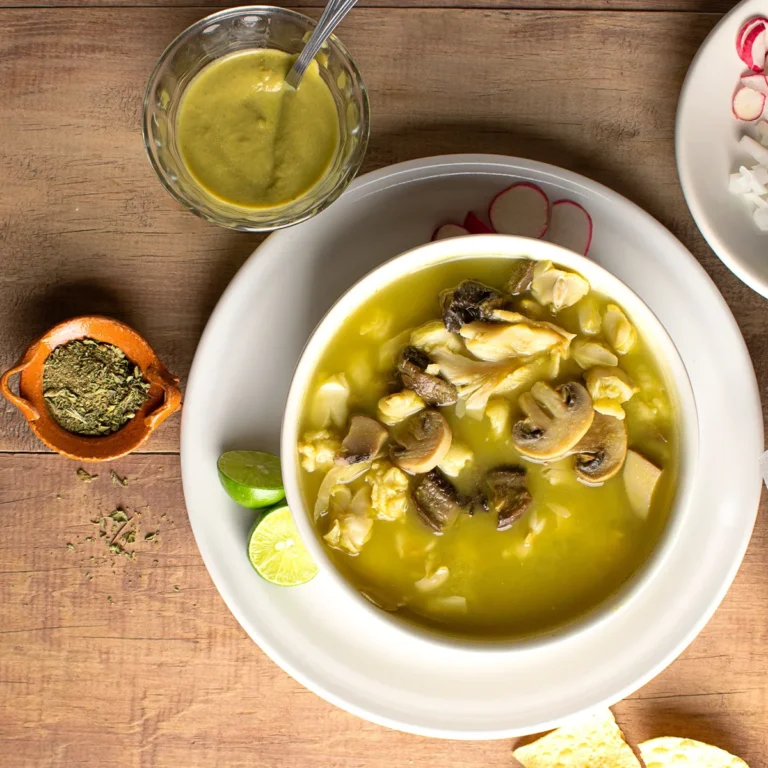
Creamy poblano and squash soup, 35 minutes. Roasted poblanos blended with sauteed squash and a touch of crema. Silky without flour.
Squash and corn chowder, 35 minutes. Charred corn, diced squash, potato for body. Late-summer food from one pot.
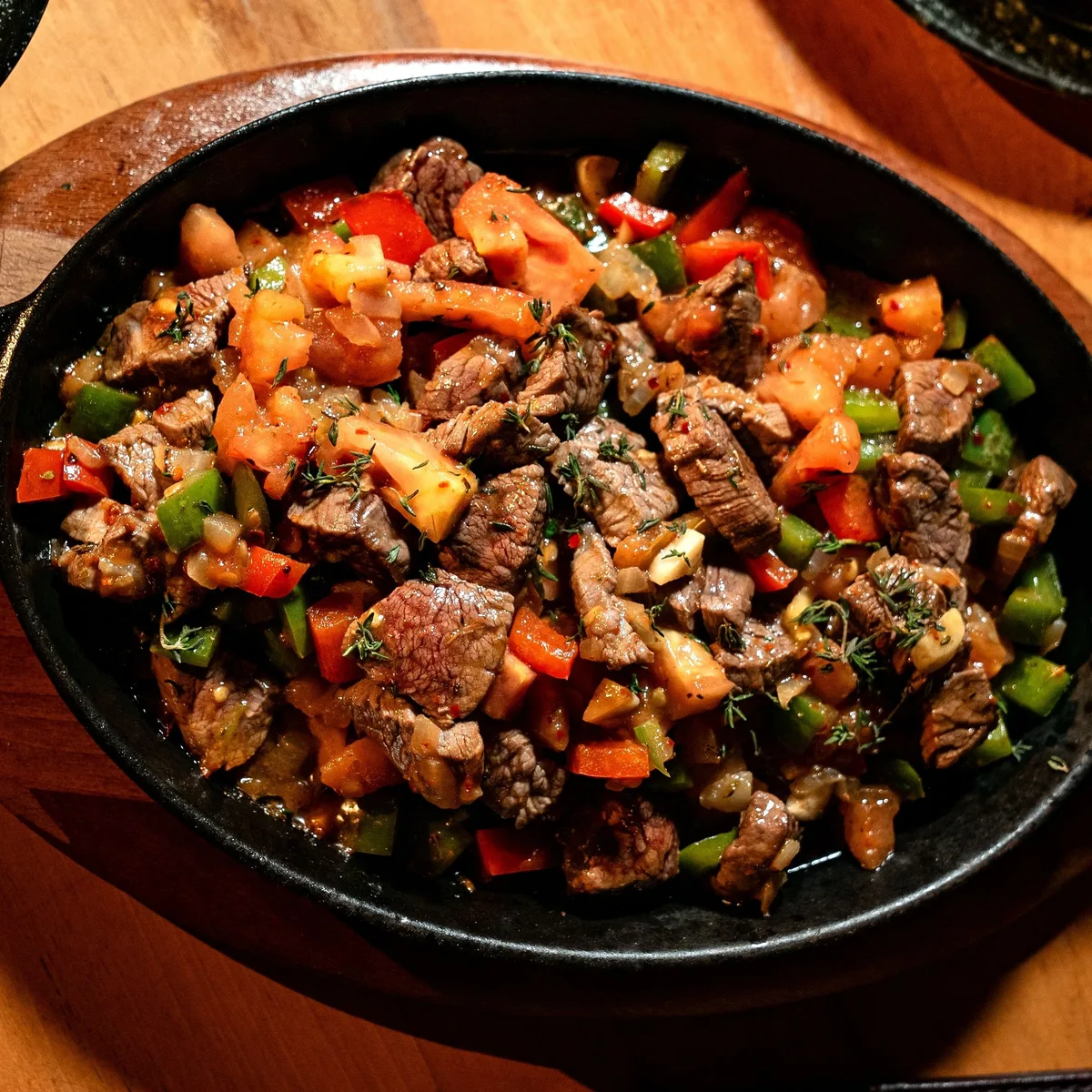
Beef and squash guisado, 50 minutes. A homestyle simmer of beef, tomato and squash chunks, the kind of dish that shows up on comida menus across Mexico. Spoon over rice.
Stuffed and Baked
Stuffed round squash, 45 minutes. Round calabacitas or halved zucchini boats filled with picadillo and baked under cheese. Scoop, do not discard: the flesh goes into the filling.
Squash and rajas bake, 40 minutes. Layers of squash, roasted poblano strips and crema, baked until bubbling. A vegetable casserole that nobody calls a casserole at the table; its cousins live in mexican casserole recipes.
Cheesy baked squash rounds, 30 minutes. Thick rounds, chili powder, cotija, 425F until the edges brown. The oven does the crowding-avoidance for you; one layer per sheet pan.
Squash Blossoms, If You Can Get Them
Quesadillas de flor de calabaza, 20 minutes. Squash blossoms wilted with onion and epazote inside a folded tortilla with Oaxaca cheese. One of the great quesadillas of Mexico, and gardeners have free access all summer. Pick male blossoms, the ones on long thin stems, and the plant keeps producing.
Blossom and cheese empanadas, 40 minutes. The same filling baked inside dough for a lunchbox-stable version.
Seeds, Skins and Zero Waste
Pepitas, toasted squash seeds, are the traditional snack hiding inside every squash you buy. Rinse, dry, toss with oil and chili powder, and roast at 325F for fifteen minutes, shaking once. Winter squash seeds work the same way. Blend any overgrown, seedy summer squash into the poblano soup above, where texture stops mattering, and compost only what the soup cannot save.
Buying, Storing and the Overgrown Problem
At the market, small wins. A six inch squash is dense, sweet and nearly seedless; a twelve inch trophy is watery foam around a seed cavity. Skip anything with soft spots or shriveled ends, and treat shine as freshness, since summer squash dulls as it ages. Stored loose in the crisper, not bagged, squash keeps about a week; bagged, the trapped moisture starts the softening early.
The overgrown ones every garden eventually produces still have jobs. Halve them, scoop the seed cavity, and the firm outer flesh grates into fritters or dices into the guisado, where long simmering forgives coarse texture. Grated squash, salted and squeezed hard in a towel, also disappears into quesadilla fillings and even masa for gorditas, stretching expensive ingredients with a vegetable that melts into the background. What cannot be salvaged goes to the blossom rule’s cousin: harvest smaller next week.
A Word on Epazote and the Flavor Base
Two flavor notes separate homestyle Mexican squash dishes from generic sauteed zucchini. The first is epazote, the pungent herb traditionally simmered with squash and beans alike; one sprig in the sopa or the calabacitas moves the dish somewhere oregano cannot. Mexican groceries sell it fresh and dried, and dried works. The second is the tomato-onion-chile base cooked down until it thickens slightly before the squash enters. Rushing the base is why quick versions taste watery: the tomato must lose its raw edge first, three or four minutes that the recipe cannot skip. With those two adjustments, the simplest skillet of squash tastes deliberate instead of dutiful.
Why Salting Works
Summer squash is almost entirely water held inside its cells. Salt on the cut surface creates a concentration gradient, and osmosis draws that water out of the cells and into the colander before the squash ever reaches the pan. Drier squash can climb past the boiling point of water at its surface, so it browns through the Maillard reaction instead of poaching in its own released liquid. Skip the salt and the water floods out during cooking, dropping the pan temperature and holding the surface at the temperature of steam, which is why an unsalted skillet finishes as a soft stew rather than browned pieces with a bite. This is the mechanism heat management alone cannot fix: no amount of extra heat browns a surface that is still wrapped in escaping water vapor.
FAQ
What is Mexican squash exactly? Calabacita, a pale green summer squash, rounder and slightly sweeter than zucchini, with thinner skin. Every recipe here accepts zucchini or yellow squash without adjustment.
Do I need to peel squash? No. Summer squash skin is thin and cooks tender. Peel only when a squash has grown oversized and the skin has toughened.
Can I freeze cooked squash dishes? The soups freeze well. The skillet dishes lose their texture entirely; squash cell walls collapse in the freezer. Cook those fresh and small.
My squash dish came out watery. What went wrong? Skipped salting, crowded pan, or both. Salt, dry, and cook in batches; the water problem is solved before the heat begins.
Where do I find squash blossoms? Farmers markets in summer, Mexican groceries sometimes, your own garden reliably. They wilt within a day of picking, so cook them the day you get them.
Does this all work with winter squash? Different vegetable, different rules. Butternut and kabocha are dense and sweet, need longer roasting, and never suffer the water problem. The guisado and the soups adapt well to them in autumn; the quick skillet dishes do not, since winter squash refuses to cook in fifteen minutes.
Can I grill squash instead of pan cooking it? Very well. Thick planks, salted and dried as always, over direct heat until striped, then dressed like elote or chopped into the corn salad. The grill solves crowding automatically because nothing steams on open grates.
Is squash filling enough to be a main? With support, yes. The chorizo skillet over rice, the stuffed rounds, and the rajas bake with a fried egg each hold the center of a plate. Squash alone is a side; squash plus beans, cheese or egg is dinner.
Where to Go Next
Vegetable-forward eating across the whole cuisine, including the bean pots that pair with every dish here, continues in mexican black bean recipes. The complete collection, mains included, starts at easy mexican recipes at home.
More recipes to try
Written by Frank Thomson, Skillet & Spoon editorial. Every nutrition figure on this site is calculated ingredient by ingredient from the USDA FoodData Central database, never estimated and never rounded to look better. We do not publish net-carb figures or use non-nutritive sweeteners. How we develop and source recipes is set out in our editorial policy.