Bariatric Egg Bites, Blended Cottage Cheese Set
Bariatric egg bites are the most useful thing this section knows how to bake: twelve portions from one tin, naturally sized, gently textured, and protein-led without a single ingredient that needs explaining. The version below runs on one trick borrowed from our diabetic silo, blended cottage cheese standing in for milk or cream, and it is the difference between a custardy bite and a rubbery one. The card carries the full USDA-calculated numbers with protein stated per serving.
Ingredients
Method
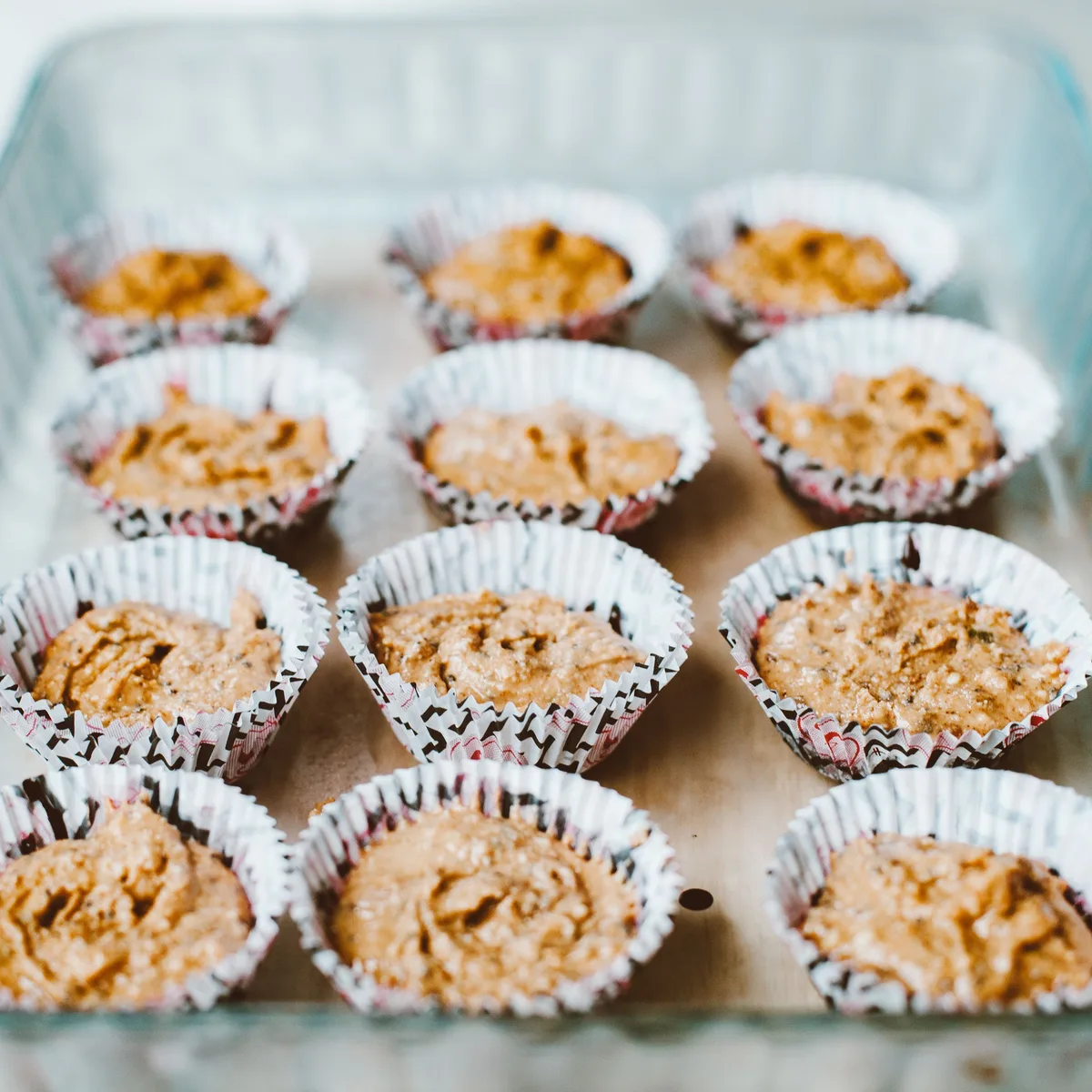
- Heat the oven to 350F and oil a 12 cup muffin tin generously, sides included.
- Squeeze the thawed spinach in a clean towel until it stops giving water, then squeeze again. This step decides whether the bites set or weep.
- Blend the eggs, cottage cheese, salt and pepper for a full 30 seconds, until completely smooth with no visible curds.
- Divide the spinach and most of the cheddar between the cups, pour the egg blend over, and scatter the last cheddar on top.
- Bake 20 to 22 minutes, until the centers are just set and barely domed. They deflate slightly as they cool; that is correct.
- Cool 5 minutes in the tin before lifting them out with a thin spatula around each edge.
Why This Recipe Works
- Blended cottage cheese sets custardy where milk sets watery. Thirty blender seconds turns the curds into a smooth protein-dense base that bakes silky, slices clean and survives five days in the fridge.
- The spinach arrives pre-dried. Two hard squeezes in a towel remove the water that would otherwise pool under the set egg, which is the only way this bake reliably fails.
- The muffin tin does the portioning. No cutting, no guessing, no container that only half empties: the format is the storage plan.
Ingredient Notes
The eggs and cottage cheese. Eight eggs and a cup of cottage cheese, blended completely smooth. The blender is not optional; stirred-in curds stay visible and the texture reads cottage cheese rather than custard, which is exactly the objection this recipe exists to delete. Full fat or low fat both work, and the card counts the standard creamed entry, so recount if your tub differs.
The spinach. Frozen chopped spinach is the best value ingredient in this silo, and the squeeze is the recipe’s only real technique. Squeeze until the towel stops darkening, then squeeze once more. Fresh spinach works if you wilt about ten ounces first, cool it, and treat it identically; the rule is about water, not about the freezer aisle.
The cheddar. Three ounces, counted, most inside and some on top for the browned lid. Cut it as small cubes rather than shreds if you want visible pockets, because shredded cheese melts into the batter and disappears. Feta or Swiss swap by weight; recount the card.
The oil. For the tin, generously, sides included. Egg protein grips bare metal hard, and a lightly greased tin is how a good batch turns into twelve broken ones.
The Method, In Short
The card carries the steps and the shape is simple: dry the vegetable, blend the base, fill, bake gentle, cool before lifting. The 350F oven is deliberately moderate, because eggs set silky at gentle heat and rubbery at aggressive heat, and the extra minutes cost nothing on a Sunday. Pull the tin when the centers are just set and barely domed rather than fully puffed; carryover finishes them, and a fully risen bite is one already past its texture.
The cooling stretch matters more than it sounds. Five minutes in the tin lets the set firm enough to release, and running a thin spatula around each edge before lifting is what keeps the bottoms intact. Lift too early and they tear; leave them cold in the tin and they stick harder.
The Variation Bench
The batter never changes, which is what makes this a template rather than a recipe. The mushroom build wants the mushrooms dry-seared first until they squeak and brown, never raw into the cups, because a raw mushroom is a sponge releasing water exactly where you do not want it. The pepper and onion build wants both cooked soft and their moisture driven off first, same principle. The leftover-roast build is the freezer talking to itself: any soft roasted vegetable from a previous dinner goes straight in, already dry and already seasoned. And the feta and tomato build is the one exception to the dry rule, using halved cherry tomatoes on top rather than stirred in, where they roast and concentrate instead of flooding the set. Recount the card whenever the filling changes; the arithmetic moves with the vegetables even when the method does not.
Storage and Reheating
Five days refrigerated in a sealed container, separated by parchment if stacked. Reheat sixty to ninety seconds at half power, never full blast, which undoes the custardy set in seconds and gives rubber by breakfast. Cold is also a legitimate way to eat them, and the ones packed into a work bag travel better cold than reheated anyway.
They freeze individually wrapped for a month and thaw overnight in the fridge. Day-four bites that firmed up in the cold soften back with ten covered seconds of steam from a teaspoon of water in the container, which is worth knowing before you decide a batch has aged out.
Why the Blended Base Sets Firmer
Cottage cheese is concentrated casein suspended in whey. Blending it smooth disperses that casein evenly through the egg, and as the bake heats, the casein coagulates alongside the egg proteins into one reinforced network that holds its water rather than releasing it. Milk carries far more water and much less protein per spoonful, so an egg-and-milk custard sets softer and is more prone to syneresis, the slow weeping of water out of a protein gel, across days in the fridge. Left unblended, the curds stay intact and never join the egg network, so the texture reads as cottage cheese pockets rather than a smooth custard. The thirty blender seconds are what convert curds into that dispersed base, which is why skipping the blender changes the food.
The tin’s grease line follows the same protein chemistry. Egg proteins bond readily to bare metal as they coagulate, so a cup greased only on the bottom leaves the vertical sides gripping the set egg, and the bite tears when it is lifted. A fully greased cup, sides included, puts a layer of fat between the set egg and the metal so the whole bite releases. The cost is one extra pass of the brush.
FAQ
Which texture are these? Smooth as written, given the blended base and the finely squeezed spinach. Whether smooth is your current assignment is your surgical team’s call; the label describes the food and never clears it.
Do they taste like cottage cheese? Blended smooth, no. They taste like a rich custard. Most of what registers as cottage cheese is the grainy texture of intact curds, and blending breaks the curds apart, so that recognizable cue is gone once the base is smooth. The blender is doing the diplomacy.
Can I bake this as one pan instead? Yes, in a nine inch dish for about 35 minutes at the same temperature, cut into six. The full-pan version is the crustless quiche in our diabetic silo; the tin version wins on portioning and reheating, which is why this silo prefers it.
Why do mine come out watery? Almost always the spinach. Squeeze it twice, and if you swapped in another vegetable, cook its moisture off first. Water in the filling has nowhere to go once the egg sets around it.
What is the fastest way to use these during the week? Two from the fridge with coffee, or one alongside anything from the assembly tier at easy bariatric recipes. The bank logic that makes them a system is at bariatric meal prep ideas.
Where to Go Next
The rest of the morning bench is at bariatric breakfast ideas, the whole-food protein file at high protein bariatric recipes, and the section starts at the bariatric recipes pillar.
Written by Frank Thomson, Skillet & Spoon editorial. Every nutrition figure on this site is calculated ingredient by ingredient from the USDA FoodData Central database, never estimated and never rounded to look better. We do not publish net-carb figures or use non-nutritive sweeteners. How we develop and source recipes is set out in our editorial policy.