Diabetic Chicken Cabbage Stir Fry, 20 Minutes, One Pan
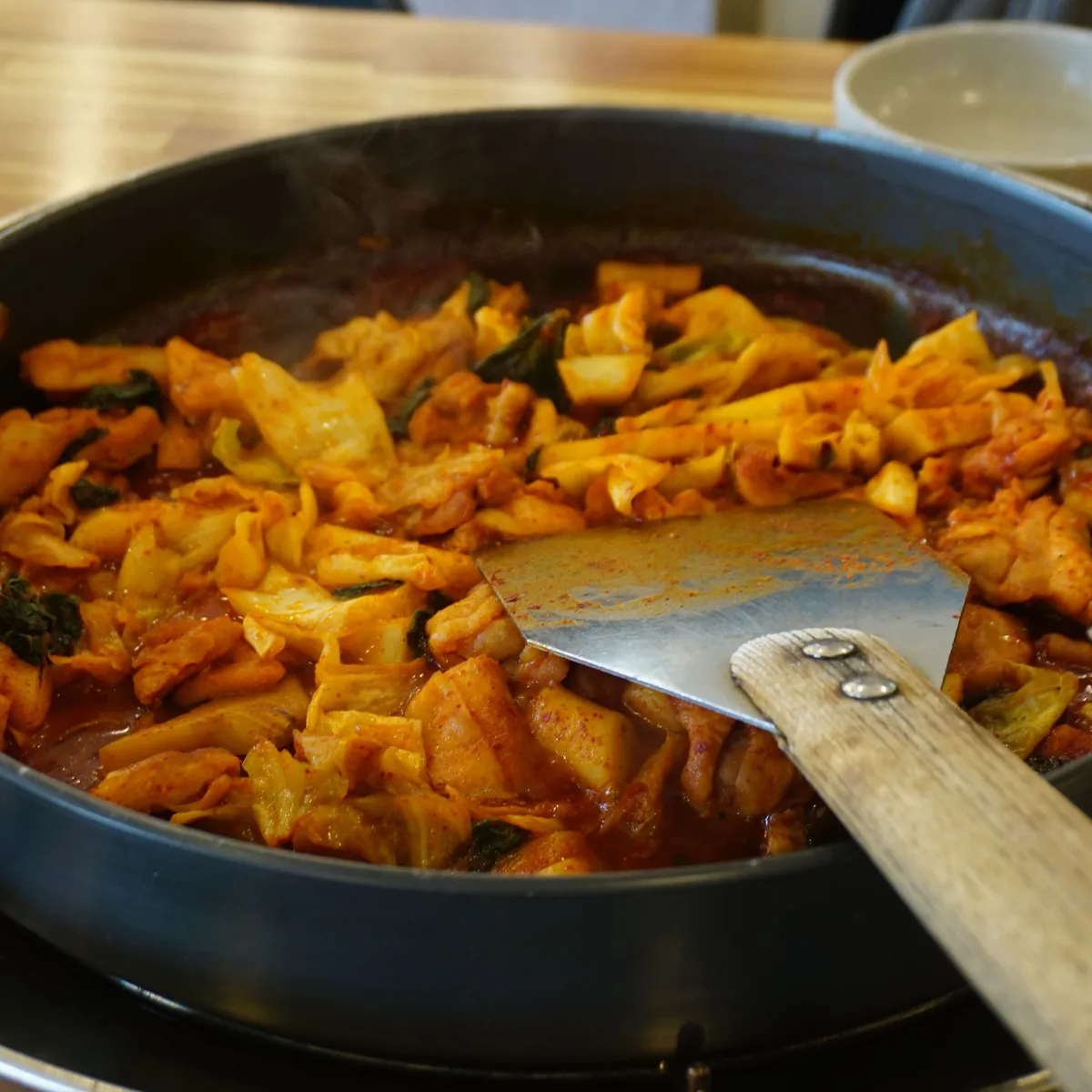
Diabetic chicken cabbage stir fry is the cheapest twenty minute dinner this section publishes, and it works because of a role reversal: the cabbage is the star and the chicken is the seasoning. Half a head, sliced thin and charred hard in a dry-hot pan, turns sweet, smoky and sturdy enough to carry ginger and garlic the way noodles never could. The card below carries the full USDA-calculated numbers, and the technique is one rule applied twice: leave things alone while they brown.
Ingredients
Method
- Slice the chicken thighs into thin strips and the cabbage into thin ribbons. Keep them separate; they cook in turns.
- Heat half the oil in your widest pan until it shimmers hard. Sear the chicken strips in a single layer, undisturbed for 2 minutes, then toss until just cooked through, about 2 more. Remove to a plate.
- Add the remaining oil and the cabbage. Press it flat and leave it alone for 3 full minutes, until the underside chars in black-edged spots, then toss and char 3 minutes more.
- Push the cabbage aside, drop the ginger and garlic into the pan’s clear center for 30 seconds until fragrant.
- Return the chicken with its juices, add the soy sauce, and toss everything together for 1 minute.
- Kill the heat, scatter the green onions over, and serve straight from the pan.
Why This Recipe Works
- Charred cabbage behaves like a base, not a vegetable side. Browned hard, it holds sauce and keeps a ribbon’s chew, because dry high heat drives the water out of the cut face and browns it, leaving a sturdy surface where a wet vegetable would slump.
- The pan cooks in turns, never crowded. Chicken first, out; cabbage second, pressed and patient; aromatics for thirty seconds; everything reunited for one minute. Each stage gets real heat instead of sharing a steam bath.
- Thighs forgive stir fry heat. Thin-sliced thigh strips stay juicy through a hard sear where breast strips punish a missed minute.
Ingredient Notes
The cabbage. Plain green cabbage, the cheapest thing in the produce section, and the recipe’s whole personality. Slice it thin, about ribbon width, and do not wash it right before cooking; wet cabbage steams instead of charring. The blackened spots are the point, not a mistake. Napa works but chars faster and softer, so shorten its first press to two minutes.
The chicken. Thighs, sliced thin across the grain. Slicing is easiest when the meat is half frozen, fifteen minutes in the freezer if it is fresh. Breast works with the usual caveat: pull it the moment it turns opaque, because the pan gives no second chances.
Soy sauce and the swap. Two tablespoons season the whole pan, counted on the card. For a gluten free version, tamari swaps in one for one; it is brewed much like soy sauce but without the wheat, so it carries the same salt and savor, and more detail lives on our gluten free diabetic recipes page.
Ginger. Fresh, a thumb’s worth, grated. The jarred paste works at the same weight but reads flatter; the dried powder does not belong here.
The Method, In Short
The card holds the steps; here is why they are ordered that way. The chicken goes first because it leaves flavor stuck to the pan that the cabbage will pick up. The cabbage gets pressed flat and ignored because char needs contact and patience, and stirring is the enemy of both; three minutes a side is long enough for the cut face to dry and char before the ribbon collapses. The ginger and garlic go into a cleared center late because thirty seconds is all they need and a minute more burns them bitter. And the reunion lasts one minute, just long enough for the soy to glaze everything, because by then every component is already cooked.
The one equipment note that matters: use your widest pan. Stir fry failure in home kitchens is almost always crowding, and a pound and a half of cabbage needs room to touch metal. If your biggest pan is small, cook the cabbage in two batches rather than one heap.
Substitutions and Storage
Ground turkey or thin-sliced pork swap in for the chicken with no method change. A fried egg on top turns leftovers into a different dinner. Chili flakes or a spoon of chili crisp belong here if your table runs hot; count the crisp, it usually carries sugar.
Leftovers hold three days refrigerated and reheat well in a hot pan for two minutes; the microwave softens the char’s edges but the flavor survives. This dish does not freeze, the cabbage returns as water. For meal prep, it is best cooked fresh and eaten across two days, which its twenty minute cost makes painless.
Why Char Comes Down to Water
Two things decide whether this works, and both are about water. Browning needs a cut face held against hot metal long enough for its surface moisture to leave, because those reactions only begin once the surface is dry and well above the boiling point. Stirring interrupts that twice over: it drops the pan temperature, and it keeps releasing water faster than the pan can drive it off, so the cabbage simmers in its own liquid and stays pale. Around three minutes undisturbed is where char appears. Thickness works the same way. A quarter inch ribbon holds enough interior water to keep its structure while the outside dries and colors; a fine shred loses its water all the way through and goes limp before it ever browns. Browning is seasoning you do not have to pour.
FAQ
Can I use bagged coleslaw mix? Yes, with expectations set: the fine shred chars less and softens more, and the carrot in the mix adds a little sweetness, all counted if you recount the card. It turns a twenty minute dinner into fifteen.
Is this an authentic stir fry? It is an American weeknight dish built on stir fry technique, and we label it that way. The method owes everything to the tradition; the cabbage-first ratio is ours.
What do I serve it over? Nothing, by design; the cabbage is the base. If the table wants more, dry-toasted cauliflower rice fits the pan’s logic, and a measured scoop of rice is counted plainly like every starch on this site.
Why thighs instead of breast? Margin for error at high heat. The full case for each cut lives at diabetic chicken recipes, and breast works here if you respect its shorter window.
Where to Go Next
The vegetable-first thinking behind this pan lives at low carb diabetic chicken recipes, the whole chicken file at diabetic chicken recipes, and the section starts from the diabetic recipes pillar.
Written by Frank Thomson, Skillet & Spoon editorial. Every nutrition figure on this site is calculated ingredient by ingredient from the USDA FoodData Central database, never estimated and never rounded to look better. We do not publish net-carb figures or use non-nutritive sweeteners. How we develop and source recipes is set out in our editorial policy.