13 Gluten Free Diabetic Recipes, Naturally, Not Aisle 7
Gluten free diabetic recipes get solved two ways, and only one of them is any good. The grocery aisle’s way swaps wheat products for engineered substitutes whose labels resist verification. This page’s way starts from the enormous pantry that never contained gluten in the first place: corn, rice and potatoes counted honestly, beans and lentils, eggs and dairy, every meat and fish, every vegetable. Cook from that list and gluten free stops being a product category and becomes what it always was, most of the world’s food.
The one card rule this page adds: where a recipe touches a processed ingredient, corn tortillas, oats, tamari, the card names the certification question plainly, because gluten hides in processing even where the base crop carries none. Oats are the famous case, gluten free by nature and frequently contaminated by shared equipment, so the label matters where the crop does not.
The Naturally Clear Pantry
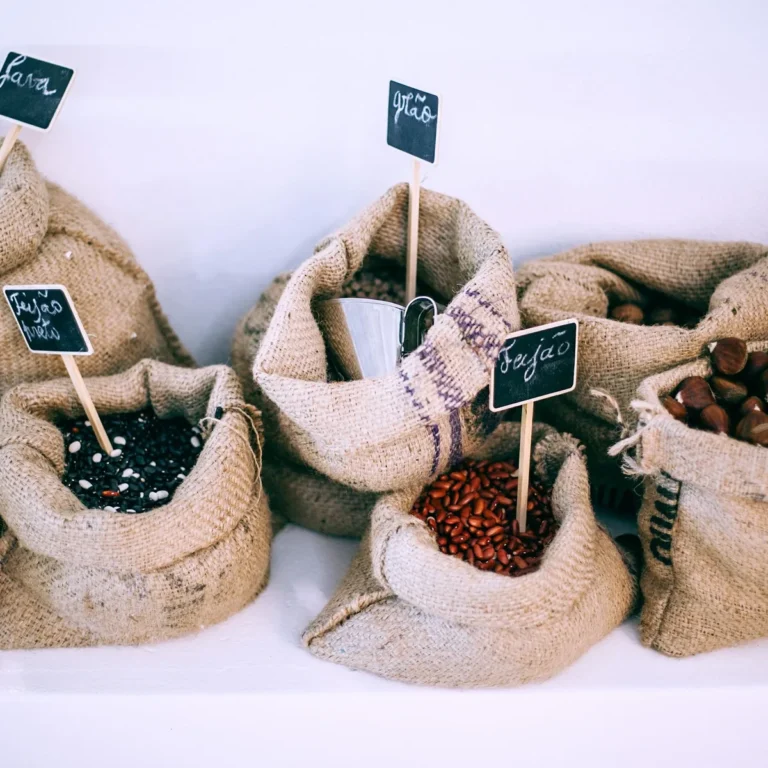
Corn and its tortillas, rice in measured scoops, potatoes counted like the food they are, all beans and lentils, quinoa, eggs, dairy, nuts, seeds, almond flour, and every unprocessed meat, fish and vegetable in the store. The watch list is short and processed: soy sauce brews from wheat, so tamari stands in throughout this page; oats want certified bags; and anything battered, breaded or thickened at a factory deserves one label read. That is the entire orientation; the rest is cooking.
Skillets and Weeknights
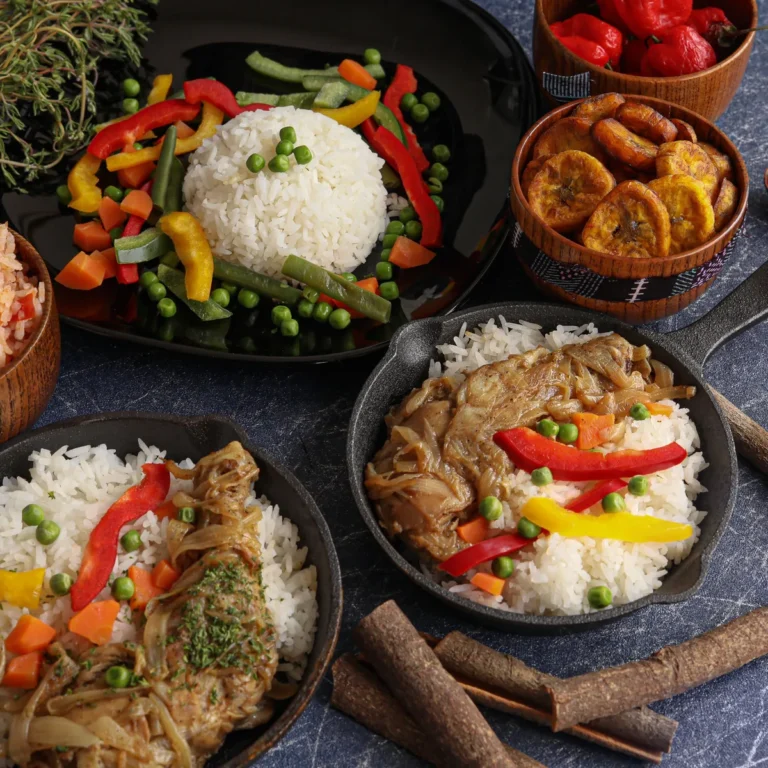
Chicken and rice skillet, 35 minutes. Thighs seared, a measured scoop of rice toasted in the drippings, stock, peas at the end. The toast-the-rice move from the Mexican kitchen applies everywhere: opaque and nutty before liquid, never gummy after.
Black bean and egg breakfast skillet, 20 minutes. Seasoned black beans, eggs cracked into wells, lid five minutes, avocado over. Dinner rules regardless of the name; the eggs-in-wells method is shakshuka’s Latin cousin, and both live happily on this page.
Salsa verde shrimp with cauliflower rice, 20 minutes. The ninety second shrimp rule from diabetic shrimp recipes over dry-toasted cauliflower rice with tomatillo salsa. Naturally clear end to end, no substitutions required, which is this page’s whole thesis in one pan.
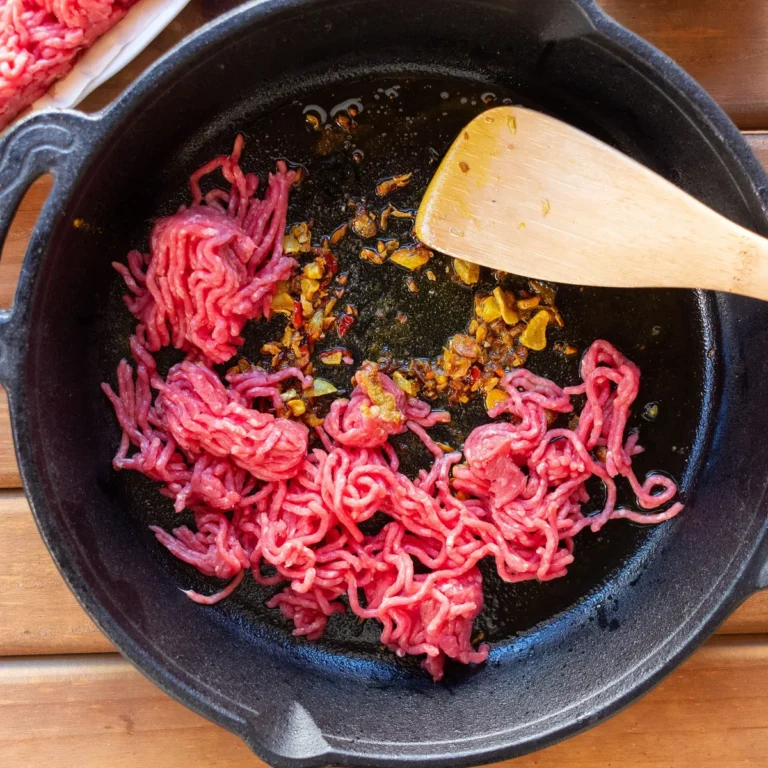
Tamari ginger beef and green beans, 25 minutes. The stir fry template with tamari carrying the salt. Blister the beans, crust the beef, sauce last. Tamari is not a compromise: it is brewed the same way as soy sauce, just without the wheat in the mash.
Corn tortilla tacos, the flame method, 25 minutes. Any filling from this section, seasoned beef to salsa chicken, on corn tortillas charred over the burner. Corn tortillas are the original taco vehicle and never needed wheat; the flame is what unlocks them.
Oven and Bakes
Sheet pan salmon with potatoes and broccoli, 40 minutes. Halved baby potatoes get a twenty minute head start at 425F, then salmon and broccoli join for the final fifteen. Potatoes are counted at their true values on the card, stated plainly, the same deal every starch gets on this site.
Almond crusted chicken cutlets, 35 minutes. The mustard-and-almond crust from our chicken pages, naturally clear from birth. The crust browns like breading because nuts brown like nuts, no substitution story required.
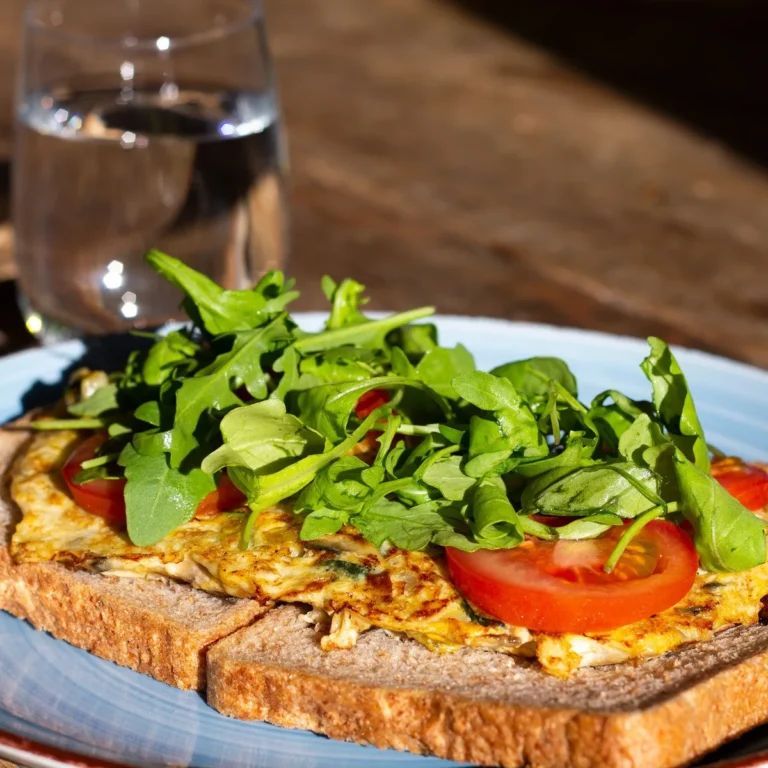
Crustless quiche with peppers and spinach, 55 minutes. Eggs and blended cottage cheese around sauteed vegetables. Quiche was only ever gluten’s hostage through its crust; released, it is one of the easiest dinners this section owns.
Stuffed peppers with rice and beef, 55 minutes. The halved-pepper method with a measured scoop of cooked rice in the filling, counted on the card. Covered twenty five minutes, uncovered ten, same physics as always.
Almond flour pancakes, 25 minutes. Almond flour, eggs, a mashed ripe banana doing the sweetening per house policy. They brown faster than wheat pancakes, so the pan runs one notch lower and the flip comes early; the first one teaches the timing.
Soups and Slow Pots
Chicken and vegetable soup, thickened right, 50 minutes. The stock-first soup with its one gluten free adjustment made honestly: no flour roux, thickness instead from a potato simmered soft and mashed into the broth, counted on the card. Cornstarch by the counted spoon is the faster alternative and both methods are stated.
Lentil soup with lemon, 40 minutes. Already clear, already cheap, already on two other pages, and repeated here because a naturally gluten free pantry keeps proving the point. Red lentils, cumin, carrot, a whole lemon at the end.
Barbacoa-style beef, 8 hours on low. The chipotle chuck pot from our diabetic crock pot recipes page, naturally clear as written. Check the chipotle can’s label once, per the processed-ingredient rule, then never think about it again.
Kitchen Habits for a Shared Household
Where a household cooks both ways, a few physical habits keep the gluten free lane genuinely clear, and they are kitchen logistics, not medical advice; how strict your situation needs to be is a question for your care team. The toaster is the classic crossing point: crumbs survive in it indefinitely, so a dedicated toaster, or toaster bags for the gluten free slices, closes the loop cheaply. Wooden spoons and scratched plastic boards hold onto what they have stirred, so the clear lane gets its own, marked with a rubber band or a color. Flour is the airborne one: wheat flour hangs in kitchen air for a surprising while after enthusiastic baking, so the naturally-clear cooking happens first in the day’s order, or on a different day, in a household that also bakes with wheat.
The pantry side is simpler: the tamari, certified oats and any flagged jars live on their own shelf, above the wheat products rather than below them, so nothing dusts down onto them. None of this costs money worth mentioning, and all of it means the recipes above stay what their cards say they are.
How the Numbers Work
Every card counts its plate ingredient by ingredient from USDA FoodData Central, source entries archived, per our editorial policy. Total carbohydrates and fiber are stated separately, never as a net figure. Rice, corn, potatoes and beans appear at their real values, because gluten free never meant carbohydrate free and this page will not blur the two. The aisle of engineered substitutes stays off the cards for the usual reason: labels this site cannot verify against the database do not get published.
How the Substitutions Behave
Tamari is the substitution this page worries about least, because it is barely a substitution. Both it and soy sauce are brewed from fermented soybeans; the wheat that goes into most soy sauce is a fermentation input rather than the source of the flavor, so removing it changes the salt and the depth very little. Almond flour is the one that needs the cook to adjust. It browns on the schedule of nut oils rather than wheat starch, which means it colors well before the middle is set, so a griddle at wheat-pancake heat gives mahogany outsides around raw centres. Drop the heat a notch and flip ninety seconds earlier than instinct says. The potato thickener works on the same principle as the roux it replaces, gelatinised starch suspending liquid, with the difference that the starch is already inside an ingredient the soup wanted anyway.
FAQ
Is everything on this page certified gluten free? The recipes are built from naturally gluten free ingredients, and the cards flag the processed items, oats, tamari, canned chipotles, where certification and labels matter. How strict your kitchen needs to be, especially around celiac-level cross contamination, is a question for you and your care team, and diabetes.org for the condition side.
Why do rice and potatoes appear here? Because gluten free and low carbohydrate are different axes, and this page is honest about which one it is. Every starch is measured and counted in full. Readers wanting the vegetable-forward end of the section should walk this page alongside low carb diabetic chicken recipes.
What about gluten free bread and pasta? The store versions carry labels we cannot verify against USDA entries, so they get no cards here. When a noodle craving hits, the legume pastas at diabetic pasta recipes are milled from lentils or chickpeas, naturally gluten free and counted from their own USDA entries; check the certified label on the bag once.
Do these recipes work for a mixed household? That is their best feature: nothing here is a substitute food, so nobody at the table is eating an accommodation. It is chicken and rice, tacos, salmon and potatoes. The gluten free part is invisible, which is the point.
Which recipe first? The corn tortilla tacos over a burner flame. Five minutes of technique, no special ingredients, and it demonstrates that this page’s answer was in the kitchen all along.
Where to Go Next
The starch-honesty policy runs through diabetic pasta recipes and the bread conversation at diabetic bread recipes, and the whole section starts from the diabetic recipes pillar.
More recipes to try
Written by Frank Thomson, Skillet & Spoon editorial. Every nutrition figure on this site is calculated ingredient by ingredient from the USDA FoodData Central database, never estimated and never rounded to look better. We do not publish net-carb figures or use non-nutritive sweeteners. How we develop and source recipes is set out in our editorial policy.