French Desserts: Crème Brûlée, Mousse, Crêpes and More
French desserts have a reputation for being difficult, and a few of them earn it, but most are built on a handful of techniques that are simpler to understand than they look: a baked custard, a whipped meringue, a steam-risen pastry. Once you know which technique a dessert rests on, crème brûlée stops being intimidating and macarons stop being a mystery, even if they still take practice. This page groups the classic French desserts and describes how each is really made, labelling the traditional method honestly. Every number here is from USDA FoodData Central, and the sweetness is real sugar, counted honestly, never a substitute.
Crème Brûlée
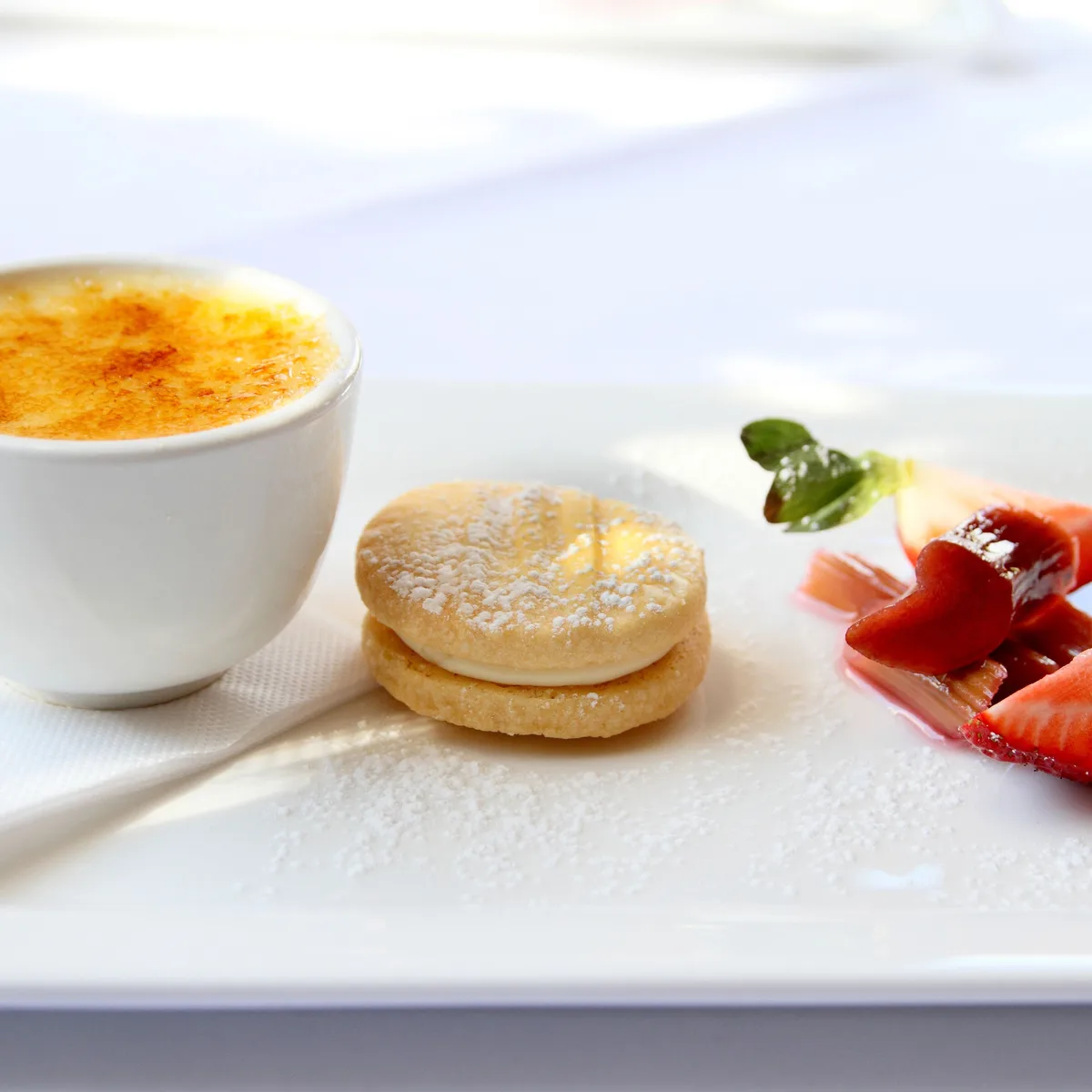
Crème brûlée is a baked custard with a brittle caramelised sugar top, and it is two techniques in one. The custard, cream and egg yolks and sugar, is baked gently in a water bath so it sets silky and never curdles, following the same custard rules as flan. The top is a thin layer of sugar scattered over the chilled custard and melted to glass with a torch or a very hot grill just before serving. Caramelise it too early and it softens, so the crack is a last-minute step.
Chocolate Mousse
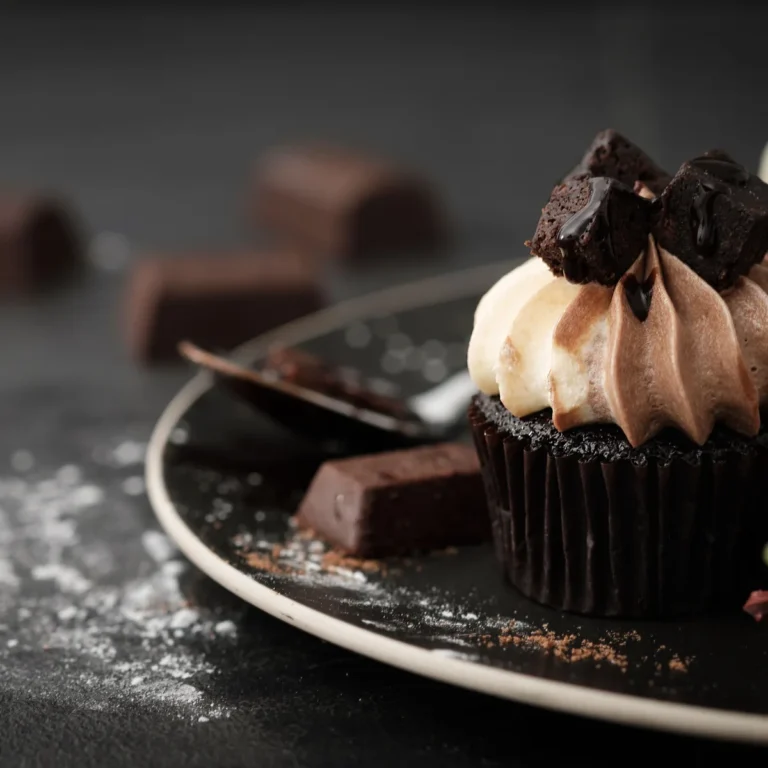
Mousse au chocolat is set by air, not gelatin: melted chocolate folded with whipped cream and often whipped egg whites, which trap the air that makes it light. Fold gently so the air survives, keep water away from the melting chocolate so it does not seize, and chill until set. It is one of the simplest French desserts and lives in the no-bake desserts family.
Crêpes
Crêpes are thin pancakes, and the batter is the opposite of a fluffy pancake: no raising agent, rested so the flour hydrates and the gluten relaxes, which is what makes them tender and thin rather than rubbery. A hot, lightly greased pan and a thin swirl of batter give the lacy edge. They go sweet with sugar, fruit or chocolate, and the resting step is the one most often skipped and most worth keeping.
Choux Pastry: Éclairs and Profiteroles
Éclairs, profiteroles and cream puffs are all choux pastry, which rises by steam rather than a raising agent. The dough is cooked on the stove, then eggs are beaten in, and in the oven the water in it turns to steam and puffs the pastry into a hollow shell. The rules are to dry the dough enough on the stove and to bake it through so it does not collapse, since a shell pulled early goes soft. Then it is filled with cream or custard.
Tarte Tatin
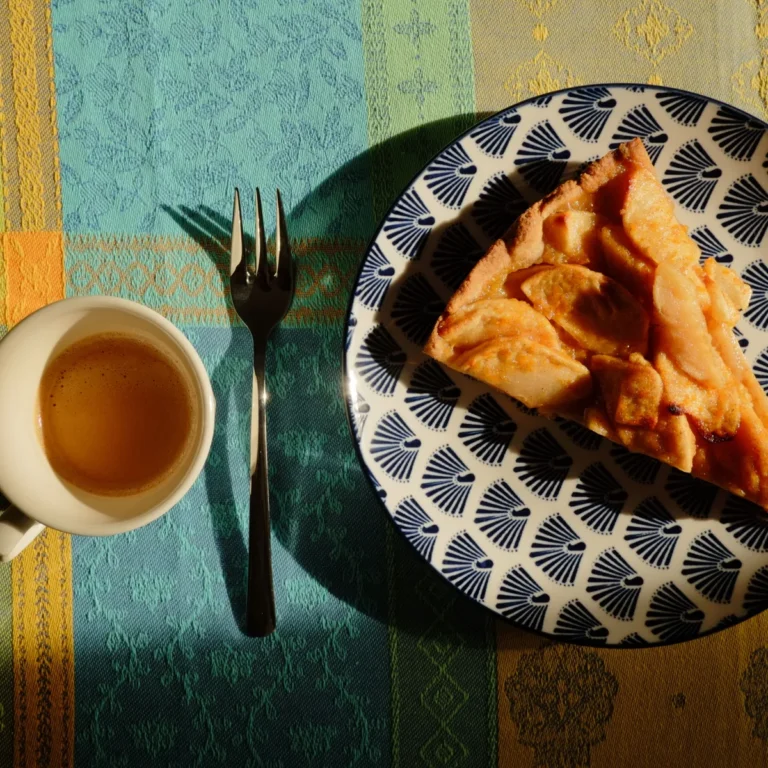
Tarte Tatin is an upside-down caramelised apple tart, cooked with the pastry on top and the fruit below in caramel, then flipped out so the glossy caramelised apples face up. The technique is the caramel: the apples cook in butter and sugar until deeply caramelised before the pastry goes on, and the flip is done while warm so the caramel releases. It is a forgiving, rustic tart despite the dramatic turn-out.
Macarons and Madeleines
Macarons are the famously finicky one: meringue-based sandwich cookies where whipped egg whites and almond flour must be folded to exactly the right consistency, then rested to form a skin before baking so they rise on smooth feet. They reward practice. Madeleines are far easier, small shell-shaped sponge cakes whose signature bump comes from a cold batter meeting a hot oven, which is a trick worth knowing.
Ingredient and Tool Notes
A few French desserts lean on specific ingredients and tools worth knowing. Macarons want almond flour finely ground and, for the smoothest shells, sifted, because coarse bits pock the surface. A madeleine needs its shell-shaped tin to earn the name and the signature bump, and that bump comes from chilling the batter before it hits a hot oven. Crème brûlée wants shallow ramekins so the ratio of crisp top to custard is high, and a torch gives far more control over the sugar than a grill. Choux pastry is helped by a piping bag for even shapes, though a spoon works for rustic profiteroles. None of these is exotic, but matching the tool to the dessert removes a lot of frustration.
Make-Ahead and Serving
Timing is part of these desserts. Crème brûlée is made ahead and chilled, but the sugar is torched only at the last minute, because the crisp top softens within an hour. Chocolate mousse and panna-cotta-style sets need hours in the fridge and suit making the day before. Crêpes can be made ahead and stacked, reheating well, and the batter actually benefits from resting overnight. Choux shells and macarons are best baked the day they are served, since both soften once filled, so the shells are baked ahead and filled close to serving.
More Simple Classics
Beyond the famous names, France has a deep bench of simple sweets. A clafoutis is a baked custard poured over fruit, traditionally cherries, somewhere between a flan and a pancake and about as easy as a dessert gets. Îles flottantes, floating islands, are poached meringues on a pool of custard. And a simple bowl of fruit with crème fraîche, or a wedge of good dark chocolate with coffee, is as French a way to end a meal as any elaborate pastry. Not every French dessert is a project.
A Note on Sugar and Honesty
These are described as they are traditionally made, with real sugar counted honestly from USDA data. Crème brûlée in particular depends on real sugar for its torched top, which a substitute cannot caramelise into glass. This site never uses non-nutritive sweeteners, which would change the set of a custard or a mousse and misreport the carbohydrate.
Are French Desserts Really Hard?
French desserts carry a reputation for difficulty that only some of them earn. The patisserie window, with its lacquered tarts and precise macarons, sets an intimidating bar, but much of the home repertoire is genuinely simple: a chocolate mousse, a bowl of crêpes, a clafoutis poured over fruit, a crème brûlée once you trust the water bath. What the harder ones, macarons, choux, laminated pastry, have in common is that they depend on precise technique and practice rather than rare ingredients, so they reward repetition more than talent. The honest way to approach the category is to start with the forgiving desserts, build the techniques they share with the harder ones, custards, meringues, folding, and work up. None of it is beyond a home kitchen with patience.
FAQ
What is the easiest French dessert to make? Chocolate mousse and crêpes are the most forgiving, and madeleines are an easy baked option. Crème brûlée is simpler than it looks once you use a water bath, while macarons and choux pastry take practice.
Why did my crème brûlée curdle? The custard got too hot. Bake it gently in a water bath and pull it while the centre still wobbles, because egg custards curdle past their setting point.
Can I make crème brûlée without a torch? Yes. A very hot grill melts the sugar top, though a torch gives more control. Either way, caramelise it just before serving, because the crisp top softens within an hour.
Why did my choux pastry collapse? It was underbaked or the dough held too much moisture. Dry the dough on the stove before adding eggs, and bake the shells through so they are crisp and hollow before taking them out.
Why are macarons so hard to make? They depend on folding the meringue and almond flour to an exact consistency and resting the piped shells to form a skin before baking. Small errors show, which is why they take practice.
Do you use sugar substitutes in these desserts? No. This site uses real sugar, counted honestly from USDA data, because substitutes cannot caramelise a brûlée top and change the set of custards and mousses.
Where to Go Next
See no-bake desserts for mousse setting, pudding recipes and flan for the custard behind crème brûlée, and italian desserts for more European classics. For the baking behind it all, see dessert recipes.
Written by Frank Thomson, Skillet & Spoon editorial. Every nutrition figure on this site is calculated ingredient by ingredient from the USDA FoodData Central database, never estimated and never rounded to look better. We do not publish net-carb figures or use non-nutritive sweeteners. How we develop and source recipes is set out in our editorial policy.