Mexican Shredded Chicken Recipes: One Base, Four Dinners
Every one of the Mexican shredded chicken recipes worth making starts from the same base, and the base has one rule that decides everything: shred in the liquid, never on a board. Chicken loses moisture the moment it leaves the pot, and shredded on a cutting board it arrives at the table already dry. Pulled apart in the simmering salsa and left to sit, it drinks the liquid back and stays juicy through four days of dinners.
The card below is that base: salsa-simmered chicken, twenty five minutes, six servings. The second half of this post is what one batch becomes across a week, which is the actual reason to make it.
Ingredients
Method
- Lay the chicken in a single layer in a wide skillet or pot. Season with cumin, garlic powder and oregano.
- Pour the salsa and broth over, cover, and bring to a bare simmer. Lower the heat until the surface barely moves; a hard boil makes stringy chicken.
- Cook covered 18 to 22 minutes, until the thickest piece reads 160F on an instant-read thermometer. Do not push past it; carryover finishes the job.
- Turn off the heat. Shred the chicken directly in the pan with two forks, in the liquid, never on a cutting board.
- Let the shredded meat sit in the sauce 5 to 10 minutes off the heat so it drinks the liquid back.
- Finish with lime juice, taste for salt, and serve, or cool in the liquid for the week’s dinners.
Why This Recipe Works
- The salsa is the sauce and the seasoning. A jar of chunky salsa carries tomato, onion, chile and salt in one move. Thin watery salsa makes soup; chunky is the word on the label that matters.
- 160F and stop. Breast meat shreds at 160F with carryover and turns to string past 175F. The thermometer is the whole skill; the pillar has said so since day one.
- The rest in the pan. Ten minutes off-heat in the sauce is where the juiciness comes from. Skipping it undoes everything the shredding rule bought.
Ingredient Notes
Chicken. Breasts as written, and thighs work with ten extra minutes and even more forgiveness; the full case for each cut lives in our chicken breast and chicken thigh guides. Two pounds fits a wide skillet in one layer, which cooks evenly.
Salsa. Red or green both work; the green tomatillo version leans brighter. This is a jar-of-salsa recipe by design, and doctoring a cheap jar with the cumin and oregano in the card outperforms an expensive jar used plain.
Broth. A half cup keeps the simmer saucy as the salsa reduces. Water works with a pinch more salt.
The Method, Step by Step
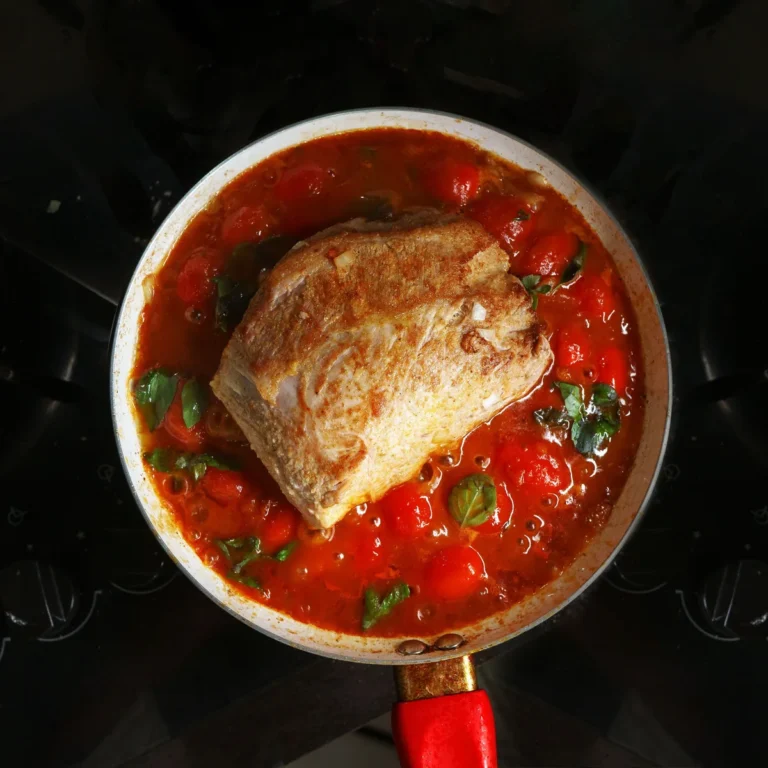
Single layer, gentle heat. The chicken goes in flat, seasoned, covered in salsa and broth. Bring it to the barest simmer, small lazy bubbles at the edge, lid on. A rolling boil is the most common failure: it seizes the outside of the meat before the inside cooks and the shreds turn stringy no matter what you do afterward.
Pull at 160F. Eighteen to twenty two minutes for average breasts. Check the thickest piece; when it reads 160F, the heat goes off, because the temperature keeps climbing on its own.
Shred in the pan. Two forks, right in the sauce. The shreds fall apart along the grain and immediately start reabsorbing what the cooking pushed out. Give them the ten minute rest, add the lime, and taste; the lime is what keeps a jar-salsa dish from tasting flat.
One Batch, Four Dinners
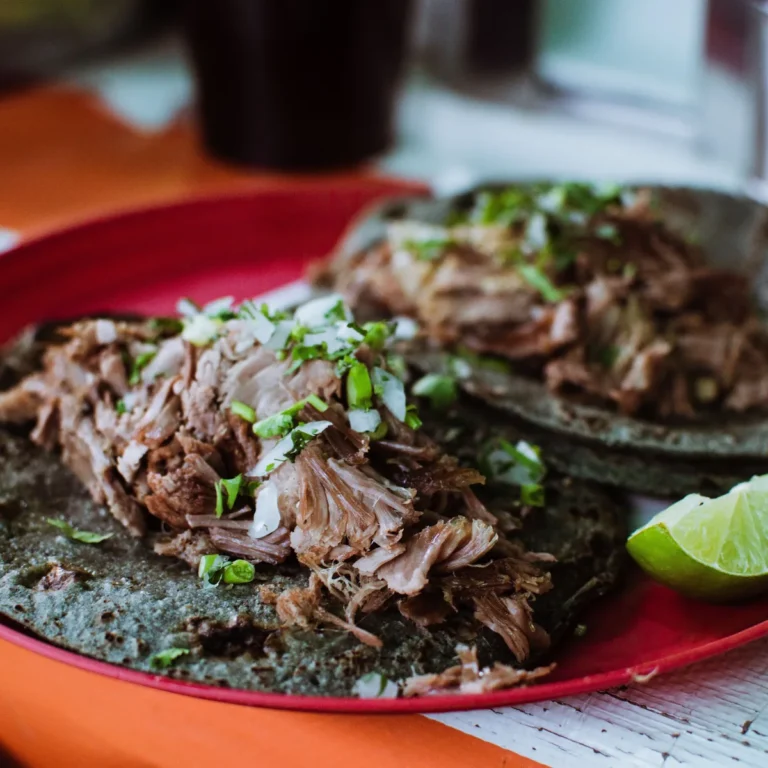
Night one: tacos. Warm corn tortillas, the chicken straight from its sauce, onion and cilantro. Nothing else needed.
Night two: quesadillas. Drained shreds with a melting cheese in a dry pan. The sauce that drips off is the dipping salsa.
Night three: tostadas or bowls. Over refried beans on a crisp shell, or over rice with beans, corn and crema in a bowl.
Night four: green chile chicken soup. The last of the batch, its sauce, a can of white beans and broth, simmered ten minutes. The batch’s own sauce seasons the soup for free.
Stored in its liquid, the batch keeps four days refrigerated and three months frozen flat in a zip bag, and the liquid rule applies at every reheat: warm it gently in its sauce, never dry in a microwave.
Scaling and the Freezer Bank
The recipe doubles in the same wide pan as long as the chicken still fits in one layer; stack pieces and the middle layer cooks unevenly. For meal-prep households, the four pound double batch is the sweet spot: half eaten across the week, half frozen flat in its sauce in two bags. Frozen bags thaw in ten minutes under cool water and reheat gently in a skillet, which turns the worst weeknights into taco nights on almost no notice. Label the bags with the salsa color; future-you always thinks they will remember, and future-you never does.
Why Shredding in the Liquid Works
Chicken releases moisture as it cools, and every fresh cut surface releases more of it. Shredding on a board opens the meat to the air and lets that moisture evaporate off each torn edge, so there is nothing left to draw back in. Shredding in the pan keeps those torn edges submerged in the sauce, where the fibers pull liquid back as they sit. The board costs you moisture twice, once to evaporation and once to the exposed cut surface, and sauce stirred in afterward coats the outside without replacing what the fibers have already given up.
FAQ
Can I make this in a slow cooker? Yes, with thighs: four hours on low, sauce cut by a third per the lid rule. Breasts in a slow cooker turn to sawdust and we advise against them there every time.
Why is my shredded chicken stringy? Boiled too hard, cooked too far, or both. Bare simmer, 160F, rest. All three are in the card because all three matter.
Red salsa or salsa verde? Both are correct; verde runs brighter and pairs especially well with the soup on night four. Rotate them and one recipe reads as two.
Is this the same as chicken tinga? Close cousins. Tinga blends its own chipotle-tomato sauce and carries smoke and more heat; this base borrows a jar instead. Make tinga when you have ten more minutes; make this when you do not.
More recipes to try
- easy mexican recipes at home
- mexican chicken recipes
- mexican chicken breast recipes
- mexican chicken casserole recipes
- mexican chicken thigh recipes
Written by Frank Thomson, Skillet & Spoon editorial. Every nutrition figure on this site is calculated ingredient by ingredient from the USDA FoodData Central database, never estimated and never rounded to look better. We do not publish net-carb figures or use non-nutritive sweeteners. How we develop and source recipes is set out in our editorial policy.