Chicken Enchiladas (Rolled, Not Soggy)
Chicken enchiladas are corn tortillas rolled around shredded chicken, laid in a dish under red chile sauce and cheese, and baked until the sauce bubbles. The thing that separates a tray that holds its shape from a pan of mush is a step that takes two minutes: the tortillas get a quick dip in hot oil before they are filled. The recipe card carries the full method with USDA-calculated numbers; this page explains why that dip matters and what else decides the texture.
Ingredients
Method
- Heat the oven to 375F and spread about half a cup of the enchilada sauce across the bottom of a 9×13 dish.
- Toss the shredded chicken with the diced onion, cumin, salt and half a cup of the sauce, plus about a third of the cheese.
- Heat the oil in a small skillet over medium heat. Slip each tortilla into the hot oil for 5 to 10 seconds a side, just until it goes soft and pliable, then drain it on paper towel. Do not let it crisp.
- Dip each softened tortilla in the sauce so both faces are coated, lay it flat, add a line of filling down the centre, and roll it up.
- Lay the rolls seam side down in the dish, packed snugly in a single layer.
- Pour the remaining sauce over the top so every tortilla is covered, then scatter the rest of the cheese over it.
- Bake uncovered for 20 to 25 minutes, until the sauce bubbles at the edges and the cheese is melted. Rest 5 minutes before serving so the rolls hold together.
Why This Recipe Works
- A few seconds in hot oil waterproofs the tortilla. A corn tortilla is starch and water held in a thin sheet. Dropped straight into sauce it keeps absorbing liquid until the structure gives way, which is why untreated enchiladas collapse into paste. Passing each one through hot oil for a few seconds sets the surface starch and leaves a thin layer of fat on it, and fat and water do not mix, so the sauce sits on the tortilla instead of soaking through it.
- Softening is not frying. The tortilla comes out pliable, not crisp. A crisped tortilla will not roll without cracking, and it stays hard in the middle of a baked dish. The window is short: the moment it drapes instead of snapping, it is ready.
- The sauce goes under, around and over. Sauce on the bottom of the dish stops the rolls sticking and drying, and sauce over the top keeps the exposed tortilla from turning to leather in the oven. Any patch left bare will bake dry and hard.
Ingredient Notes
The tortillas. Corn, and this is not a place to swap in flour. Flour tortillas turn gummy under sauce because they have far more gluten and fat and no equivalent structure to set. Older tortillas actually handle better than very fresh ones; they are drier and less likely to tear when rolled.
The chicken. Shredded cooked chicken, which is what makes this a weeknight dish rather than a project. A rotisserie bird pulls apart in minutes, and poached breast or thigh works equally well. Thigh stays moister through the bake.
The sauce. Three cups covers a 9×13 dish properly. The version on this site is enchilada sauce built from dried ancho and guajillo chiles, which is deeper than anything from a can. Canned sauce works, and a squeeze of lime and a pinch of cumin stirred through it before use helps considerably. Because canned sauces vary a lot from brand to brand, the note under the card says to check your own label.
The cheese. Monterey jack melts smooth and stays mild. Cheddar brings more flavour and a little more grease; a mix of the two is a common and good compromise. Oaxaca cheese, if you can find it, is the traditional choice.
The Method, In Short
Sauce the dish, mix the filling, soften the tortillas in oil, dip them in sauce, roll, pack them in, cover with the remaining sauce and cheese, and bake about 25 minutes. Most of the work is the tortillas, and it goes quickly once the oil is hot.
Pack the rolls snugly. A tightly filled dish holds the enchiladas closed without toothpicks, while rolls with room to move unwind as the filling swells in the heat.
Red or Green, and What Changes
Red enchiladas use a dried chile and tomato sauce; green use a tomatillo base, which is thinner, sharper and cooks faster. The method here is identical either way, but a green sauce is more acidic, so it softens tortillas faster once the dish is assembled, which makes the oil dip more important rather than less. For the green version, use salsa verde blended smooth and loosened with a little broth.
Assembling Ahead, and Why Timing Matters
Enchiladas are best assembled and baked in one go. If you need to get ahead, the honest way is to prepare the components separately: the filling and the sauce both keep three or four days refrigerated, and the tortillas get softened and rolled on the day. An assembled tray sitting overnight gives the sauce hours to work into the tortillas, which is precisely the process the oil dip exists to slow, and a full night usually beats it.
What to Serve With Them
Rice and beans, which is the standard plate for a reason: both are mild starches that soak up the extra sauce. See authentic Mexican rice and refried beans. A sharp, cold garnish on top of the hot dish does a lot of work: shredded lettuce, diced white onion, a spoon of crema, or pico de gallo. For more baked dishes in this style, see Mexican casserole recipes.
Storage and Reheating
Baked enchiladas keep three days refrigerated and reheat best covered, in a 350F oven, for about 20 minutes. The microwave works but softens the tortillas further. They freeze for two months either baked or assembled-and-unbaked; bake from frozen, covered, adding roughly half an hour, and uncover for the last ten minutes to finish the cheese.
Why the Bottom Layer Goes Soggy Anyway
Even with the oil dip, the underside of a tray can end up wetter than the top, and the reason is simple: liquid runs downhill and the bottom of the dish is where it collects. As the enchiladas bake, the filling and the sauce both release moisture, and it pools under the rolls. Two things fix it. Use only enough sauce on the bottom to coat the dish rather than to form a pool, and let the tray rest five minutes out of the oven before serving, which lets the starch in the tortillas reabsorb some of that liquid as it cools slightly. You can see the difference on the spatula: served straight from the oven the first roll slumps, and after five minutes it lifts out whole.
FAQ
How do I keep enchiladas from getting soggy? Pass each corn tortilla through hot oil for a few seconds a side before filling it. That sets the surface and leaves a thin fat layer that slows the sauce soaking in. Bake them right after assembling rather than leaving a filled tray to sit.
Corn or flour tortillas for enchiladas? Corn. Flour turns gummy under sauce. If flour is all you have, bake it more like a casserole and expect a softer result.
Can I make enchiladas ahead of time? Prepare the filling and sauce ahead, then soften, roll and bake on the day. A fully assembled tray left overnight lets the sauce work into the tortillas.
Red or green sauce, which is right? Both are traditional. Red is deeper and sweeter from dried chiles; green is brighter and sharper from tomatillos. Green is thinner and more acidic, so bake it promptly after assembling.
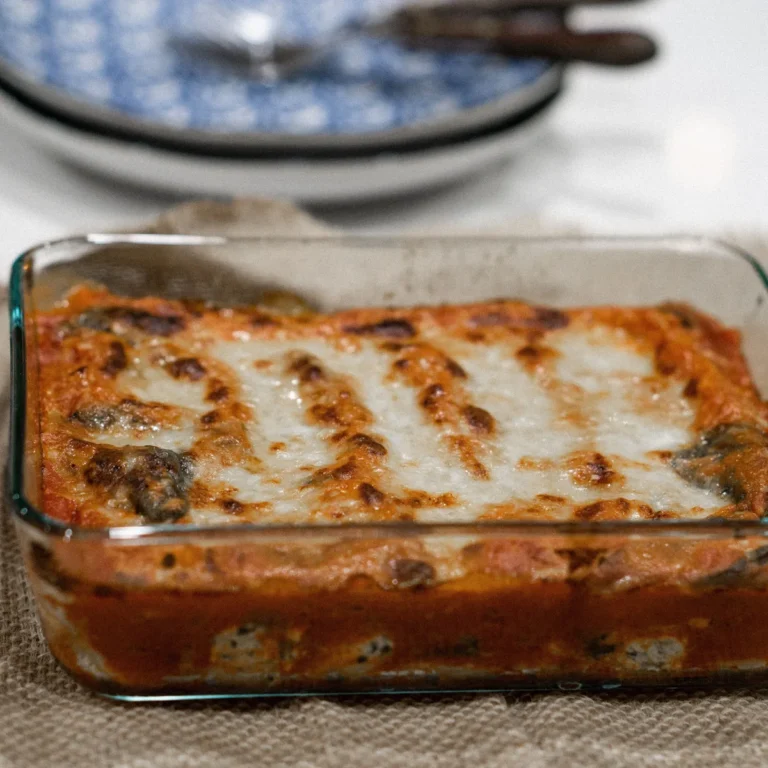
What is the difference between enchiladas and a casserole? Enchiladas are rolled individually; the casserole version layers the same components flat, like a lasagne. The casserole is faster and holds up better if you must assemble ahead.
Why did my tortillas crack when I rolled them? They were too cold or too dry. Warming them in oil makes them pliable; a cold tortilla straight from the fridge will split along the fold every time.
Where to Go Next
Make the sauce from scratch at enchilada sauce, get the green version from salsa verde, and find more baked dinners at Mexican casserole recipes. The whole library starts at easy Mexican recipes at home.
Nutrition note: values are calculated from USDA FoodData Central. Where USDA has no exact entry, the closest catalog item is used and named here: red enchilada sauce was calculated as “Sauce, salsa, ready-to-serve”.
Label note: most of the carbohydrate in this recipe comes from the corn tortillas, calculated here from USDA’s generic entry. Brands vary, and some contain added sugar, so check the label on the one in your kitchen.
Written by Frank Thomson, Skillet & Spoon editorial. Every nutrition figure on this site is calculated ingredient by ingredient from the USDA FoodData Central database, never estimated and never rounded to look better. We do not publish net-carb figures or use non-nutritive sweeteners. How we develop and source recipes is set out in our editorial policy.