Red Enchilada Sauce From Dried Chiles
Red enchilada sauce is dried chiles, soaked and blended smooth, then simmered with a little toasted flour and broth until it coats a spoon. It takes about thirty minutes, most of it soaking, and the difference from canned is large: many canned sauces are built on chili powder and tomato, while this is built on the chiles themselves. The recipe card carries the full method with USDA-calculated numbers; this page covers the toast, the blend and the roux, and why each one matters.
Ingredients
Method
- Toast the stemmed, seeded chiles in a dry skillet over medium heat, pressing them flat with a spatula for 5 to 10 seconds a side, just until fragrant and slightly softened. Remove them before they darken, as scorched chiles turn the sauce bitter.
- Put the chiles in a bowl, pour 2 cups of the hot broth over them, weigh them down with a small plate, and soak for 15 minutes until fully soft.
- Blend the chiles, their soaking broth and the garlic until completely smooth, at least a full minute. For a very silky sauce, press it through a sieve.
- Heat the oil in a saucepan over medium heat, whisk in the flour, and cook, whisking, for about 1 minute until it smells toasty and turns pale gold.
- Add the cumin and oregano and whisk 15 seconds, then pour in the chile puree carefully, as it will spit.
- Whisk in the remaining cup of broth, the vinegar and the salt. Simmer gently for 10 to 15 minutes, stirring now and then, until it coats the back of a spoon.
- Taste and adjust the salt. Use warm, or cool and refrigerate.
Why This Recipe Works
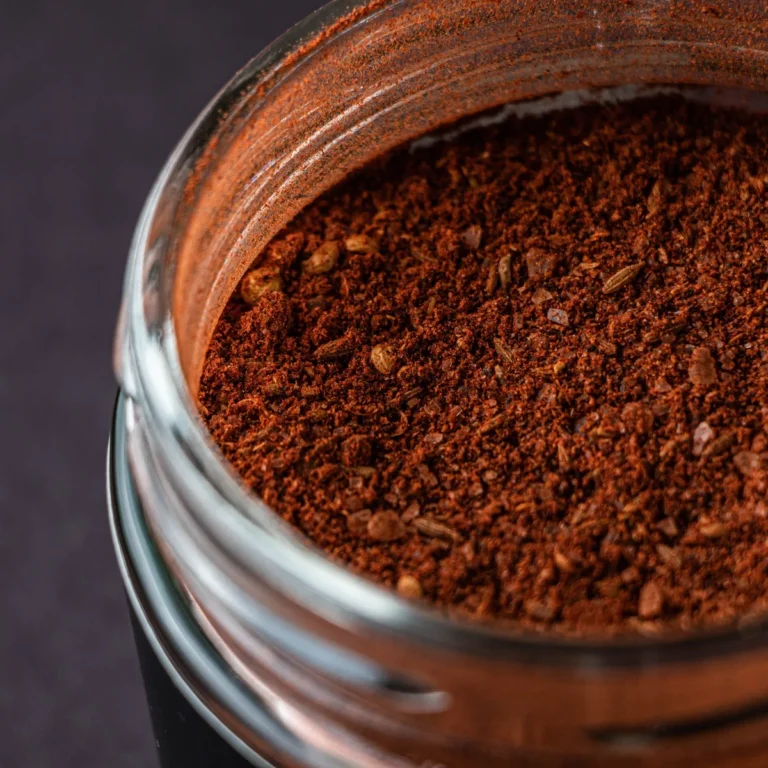
- Whole dried chiles carry flavour a powder has lost. A dried chile keeps its aromatic oils sealed inside its skin. Grinding exposes a huge surface area to air, and those oils start to fade the day the powder is made. Toasting and blending whole chiles releases them fresh, which is where the deep, slightly fruity, raisin-like flavour of a good red sauce comes from.
- Toasting is measured in seconds. A brief toast in a dry pan wakes up the chile’s aromatics and softens the skin. A few seconds too long and the sugars in the flesh scorch, and scorched chile tastes bitter in a way nothing added later can fix. Watch for the smell to sharpen and pull them immediately.
- A small roux gives it body without dulling the chile. Two tablespoons of flour cooked briefly in oil thickens the sauce just enough to cling to a rolled tortilla instead of running off it into the dish. Cooking the flour first, until it smells toasty, removes its raw taste and keeps it from clumping when the liquid goes in.
Ingredient Notes
Ancho and guajillo. Ancho is a dried poblano, dark, mild and sweet. Guajillo is brighter, redder and slightly tart. Together they give colour, sweetness and a clean chile edge. Choose chiles that are still pliable and leathery, not brittle; brittle chiles are old and have lost much of their flavour. USDA FoodData Central has no guajillo entry, so the card counts it as dried ancho, the closest catalogued mild dried chile, and says so under the card.
For more heat. Both chiles are mild. Add one or two small dried chiles de arbol to the soak, or a chipotle in adobo to the blender, for a spicier sauce.
The broth. Chicken broth is traditional in many home kitchens; vegetable broth makes it vegetarian with no other change. Using the hot soaking broth in the blender, rather than discarding it and adding fresh, keeps all the flavour that has already leached out of the chiles.
The vinegar. Just a teaspoon. It is not there to make the sauce sour, only to lift it, the way a squeeze of lemon lifts a stew.
The Method, In Short
Toast the chiles for seconds, soak them in hot broth, blend with garlic until completely smooth, make a quick roux, whisk the puree and remaining broth into it, and simmer until it coats a spoon.
The one step not to cut short is the blend. Chile skins are tough, and a short blend leaves tiny flecks that make the sauce gritty. A full minute on high, or a pass through a sieve, gives a sauce that is genuinely smooth.
Homemade Versus Canned
Many canned red enchilada sauces are made from water, tomato and chili powder, thickened with starch; the label tells you which kind you have. They are convenient and consistent, but because the base is powder rather than whole chiles, the flavour is flatter and usually saltier. Homemade sauce from dried chiles is darker, deeper and noticeably fruitier, and you control the salt. It also keeps well, so a batch covers several dinners. If you do use canned, a squeeze of lime and a pinch of cumin stirred in before baking helps it considerably.
How to Use It
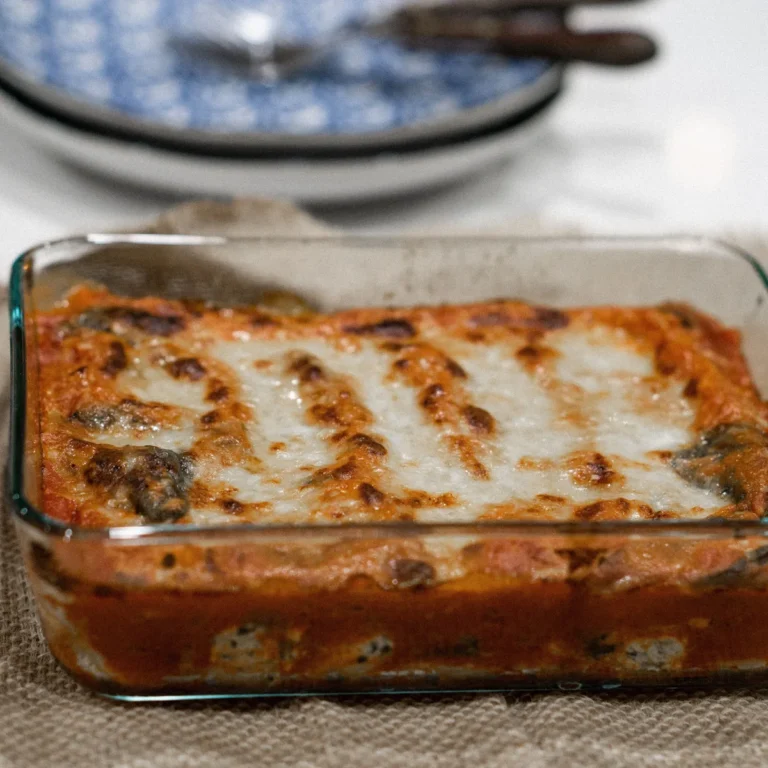
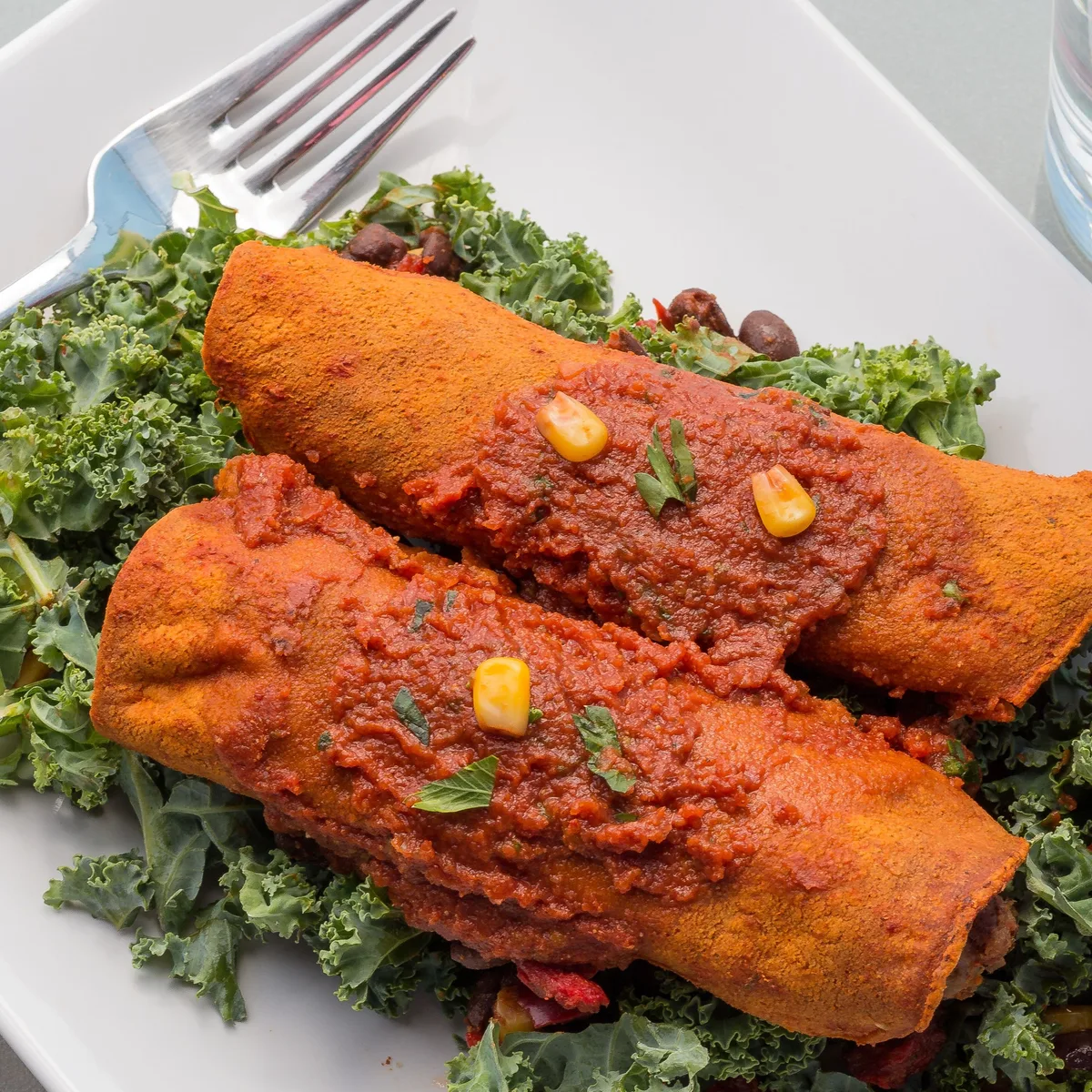
Three cups is enough to sauce a pan of enchiladas for four to six people: dip or spoon sauce over each tortilla, roll it around its filling, lay the rolls seam side down, and pour the rest over the top before baking. It also braises chicken for shredded fillings, sauces chilaquiles, and goes into Mexican casserole recipes that call for a can. For a green version built on tomatillos, see salsa verde.
Storage and Freezing
The sauce keeps a week refrigerated and freezes well for three months. It thickens as it cools because the roux sets, so loosen it with a splash of broth when you reheat it. Freeze it in two-cup portions, which is about the amount for a small pan of enchiladas.
FAQ
What chiles are in red enchilada sauce? Ancho and guajillo are the most common pair: ancho for sweetness and depth, guajillo for colour and brightness. Pasilla and New Mexico chiles are also used.
Why is my enchilada sauce bitter? The most likely cause is scorched chiles. Toast them only until they smell fragrant, five to ten seconds a side, and discard any that turn black. Seeds left in can also add bitterness, so remove them before toasting.
How do I thicken enchilada sauce? The small flour-and-oil roux in this recipe does it. If the sauce is still thin, simmer it a few minutes longer. If it gets too thick, whisk in a little broth.
Is enchilada sauce spicy? This version is mild, because ancho and guajillo are mild chiles. Add a chile de arbol or a chipotle for heat.
Can I make it without flour? Yes. Leave out the roux and simmer the sauce a little longer to reduce it, or blend in a small corn tortilla, a traditional thickener that keeps wheat flour out of the sauce.
How long does homemade enchilada sauce last? About a week in the fridge and three months in the freezer.
Where to Go Next
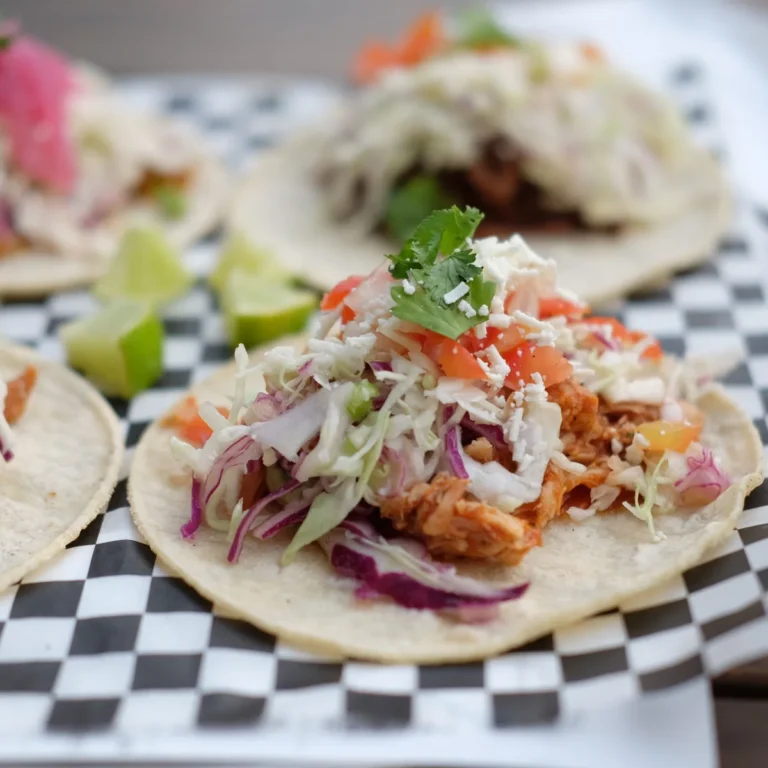
The same chile pair builds birria tacos, bakes and layered dishes are at Mexican casserole recipes, and the whole library starts at easy Mexican recipes at home.
Nutrition note: values are calculated from USDA FoodData Central. Where USDA has no exact entry, the closest catalog item is used and named here: dried guajillo chile was calculated as “Peppers, ancho, dried”.
Written by Frank Thomson, Skillet & Spoon editorial. Every nutrition figure on this site is calculated ingredient by ingredient from the USDA FoodData Central database, never estimated and never rounded to look better. We do not publish net-carb figures or use non-nutritive sweeteners. How we develop and source recipes is set out in our editorial policy.