Pico de Gallo (Fresh Salsa Bandera)
Pico de gallo is a fresh, uncooked salsa of diced tomato, white onion, chile, cilantro and lime, and it is also called salsa fresca or salsa bandera, the last name because the red, white and green of it match the Mexican flag. It is five ingredients and no cooking, which means there is nowhere to hide: the whole dish is decided by how you cut the tomato and what you do about its water. The recipe card carries the full method with USDA-calculated numbers; this page covers the step that decides it.
Ingredients
Method
- Halve the tomatoes lengthwise and scoop out the seeds and the watery gel around them. Dice the remaining flesh into small, even pieces.
- Toss the diced tomato with half the salt in a colander set over a bowl and leave it to drain for 15 minutes. A surprising amount of liquid will come out.
- While the tomato drains, dice the onion small and mince the jalapeno. If raw onion tastes harsh to you, rinse the dice in cold water and pat it dry.
- Combine the drained tomato, onion, jalapeno and cilantro in a bowl.
- Add the lime juice and the remaining salt, and stir gently just to combine.
- Let it sit 10 minutes before serving so the flavours settle. Stir once more and taste for salt.
Why This Recipe Works
- Seeding and salting the tomato is the entire fix for watery pico. A tomato is mostly water, and most of the loosest water sits in the seed cavities as a jelly. Scooping that out removes the worst of it. Salting the diced flesh then draws more water out through osmosis, because the salt concentration outside the cells is higher than inside, so water moves outward across the cell walls. Fifteen minutes in a colander removes liquid that would otherwise end up as a pool in the bottom of the serving bowl.
- Small, even dice is a flavour decision, not a cosmetic one. Pico is eaten in spoonfuls on top of other food. If the pieces are large, each mouthful is dominated by whichever single ingredient it happened to catch. Cut everything to roughly the same small size and each spoonful carries tomato, onion, chile and cilantro at once, which is the point of the dish.
- The lime and the remaining salt go in at the end. Both draw more water out of everything they touch. Adding them last means the draining has already happened on your terms, in a colander, rather than in the bowl on the table.
Ingredient Notes
The tomatoes. Roma, and this is one of the few places where the variety genuinely matters. Romas have thicker walls, smaller seed cavities and less gel than round slicing tomatoes, so they dice cleanly and shed far less water. A beefsteak tomato in pico de gallo will taste good but shed far more water, so the bowl turns soupy as it sits.
The onion. White onion is traditional and has a cleaner, sharper flavour than yellow. Red onion works and looks attractive, though it bleeds pink into the tomato over a few hours.
The chile. Jalapeno is standard and serrano is hotter and slightly grassier. Mince it much finer than everything else. Chile heat is not evenly distributed through a bowl, so fine mincing is the surest way to avoid one person getting a whole quarter of a pepper.
The cilantro. Chop the tender upper stems along with the leaves; they carry as much flavour as the leaves do and have a pleasant crunch. Only the thick lower stems are worth discarding.
The lime. Fresh only. In a dish with nothing cooked and nothing to hide behind, bottled juice is immediately obvious.
The Method, In Short
Seed and dice the tomato, salt it and let it drain, dice everything else meanwhile, combine, then finish with lime and the remaining salt. Rest ten minutes and serve.
The drained tomato liquid is worth keeping rather than pouring away. It is lightly salted tomato water with real flavour, and it is good in a soup, a braise, or a michelada.
Pico de Gallo Compared With Other Salsas
The distinction that matters for cooking is water content and whether anything was cooked. Pico de gallo is chunky, raw and relatively dry, so it sits on top of food as a garnish without making it soggy. Restaurant-style red salsa is blended and often uses cooked or canned tomatoes, so it is thin and pourable and made for dipping. Salsa verde is built on roasted tomatillos rather than tomatoes and is cooked, which is why it works as a sauce for enchiladas where pico would not. They are not interchangeable, and choosing the wrong one is why tacos go soggy or chips come back up empty.
What to Serve It With
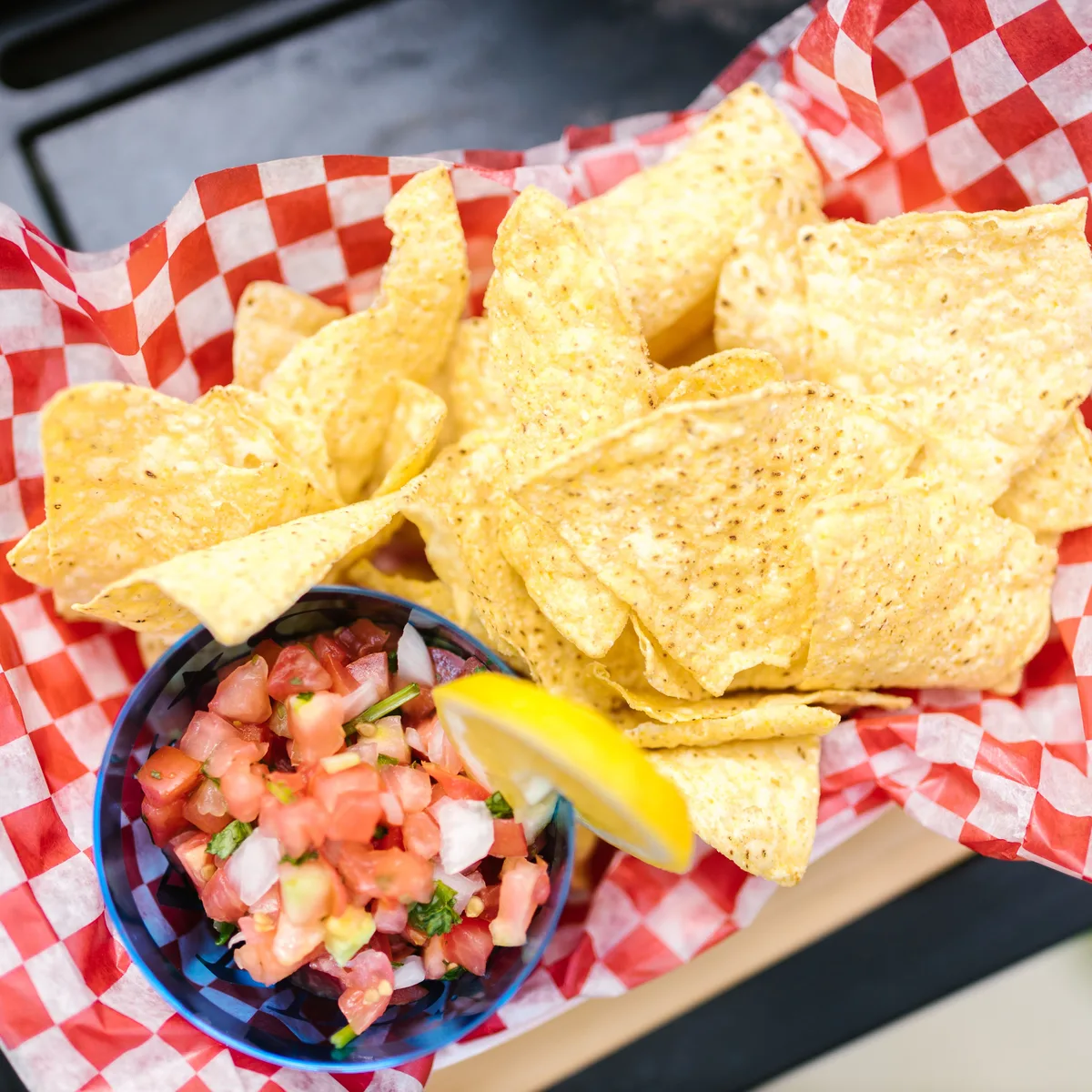
Pico de gallo belongs on things more than beside them. It goes on tacos, grilled fish, eggs, carne asada and rice bowls, and into a torta. With chips it is best eaten with a spoon, because a chunky salsa does not cling to a chip the way a blended one does. It is also the fastest way to make guacamole go further: fold a few spoonfuls through it.
Storage
Pico de gallo is a fresh salsa and it is best within a few hours. It keeps two days refrigerated, but the tomato continues to release water and soften, and the onion grows more assertive as it sits. Drain off any accumulated liquid before serving on the second day and refresh it with a squeeze of lime and a little chopped cilantro. It does not freeze; raw tomato and onion both collapse into water on thawing.
FAQ
Why is my pico de gallo watery? Tomatoes are mostly water and the salt draws more of it out. Scoop out the seeds and the gel around them, then salt the diced flesh and let it drain in a colander for about fifteen minutes before mixing everything together.
What is the difference between pico de gallo and salsa? Pico de gallo is raw, chunky and relatively dry, meant to sit on top of food. Most table salsas are blended and often cooked, so they are thin and pourable and meant for dipping. Pico de gallo is one kind of salsa, not the opposite of it.
Why is it called pico de gallo? The name translates as rooster’s beak. Several explanations circulate and none is settled, so it is more honest to say the origin is uncertain than to pick one. The dish is also widely called salsa fresca and salsa bandera.
Can I make pico de gallo ahead? A few hours ahead is fine and it is arguably better after twenty minutes of resting. Beyond a day the tomato softens and weeps. If you need to prep further ahead, cut everything and keep the components separate, then combine shortly before serving.
How do I make it less spicy? Remove the seeds and the pale veins from the chile before mincing, since that is where most of the capsaicin sits. Use one chile instead of two, taste, and add more if you want it.
What tomatoes are best for pico de gallo? Roma or another plum type. They have thick walls, less seed gel and lower water content, so they dice cleanly and stay chunky instead of collapsing.
Where to Go Next
The creamy green one is guacamole, the cooked green one is salsa verde, the rest of the table is at Mexican dip recipes, and the whole library starts at easy Mexican recipes at home.
Written by Frank Thomson, Skillet & Spoon editorial. Every nutrition figure on this site is calculated ingredient by ingredient from the USDA FoodData Central database, never estimated and never rounded to look better. We do not publish net-carb figures or use non-nutritive sweeteners. How we develop and source recipes is set out in our editorial policy.