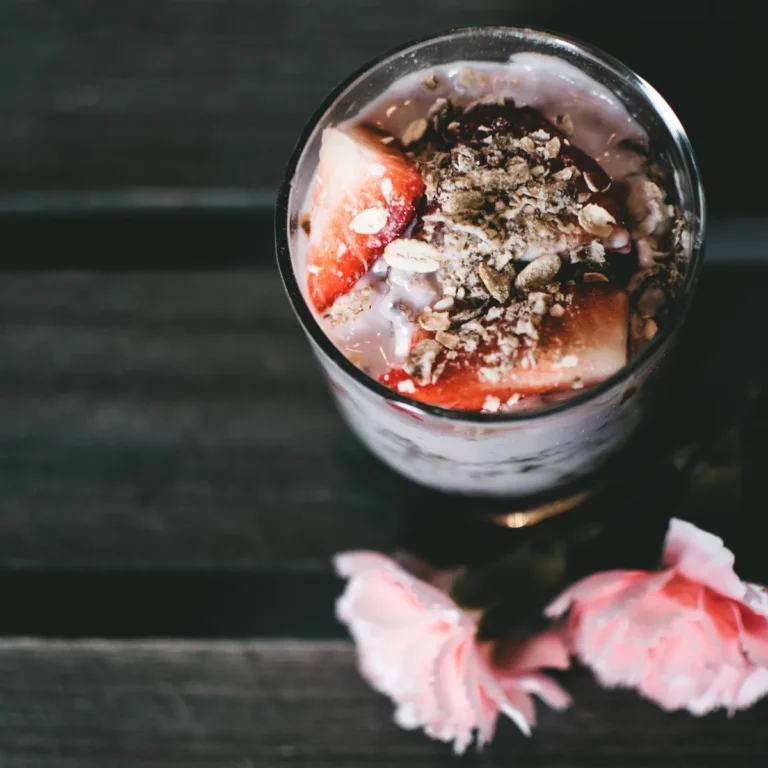
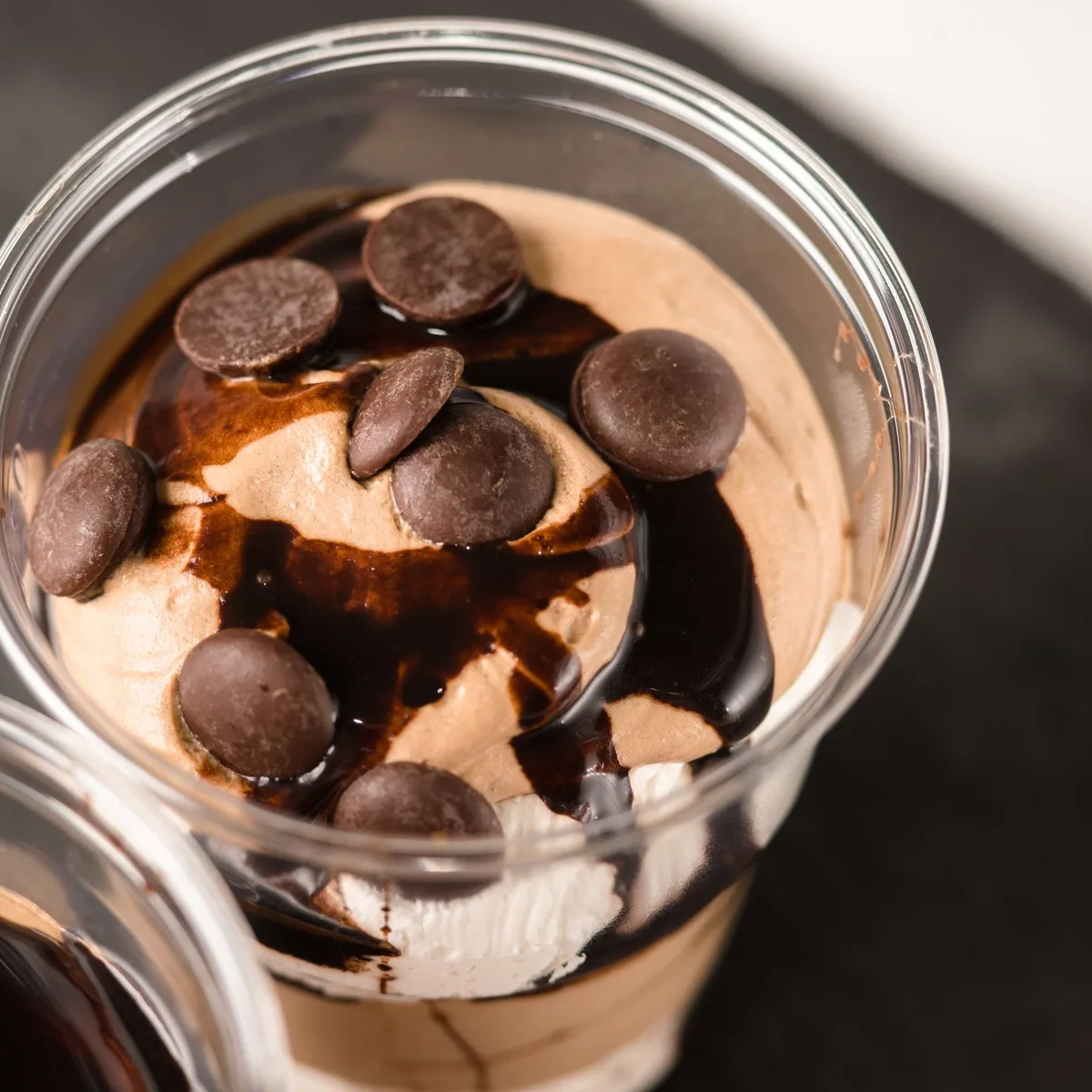
Diabetic Chocolate Peanut Butter Mousse
Diabetic chocolate peanut butter mousse gives you the rich, chocolate-and-peanut hit of the dessert without the sugar-free pudding mix and boxed toppings that viral versions lean on. It is built the honest way: Greek yogurt for body and protein, real cocoa and peanut butter for flavour, a little cream for lightness, and a counted spoon of honey doing the sweetening. No sugar-free mix, no artificial or non-nutritive sweeteners, and the full carbohydrate figure sits on the card in plain sight. The recipe is right below, and the how and why follow it.
Ingredients
Method
- Whisk the cocoa powder with the honey, peanut butter and vanilla into a smooth, glossy paste. Working the cocoa into the honey and peanut butter first is what keeps it from clumping when the yogurt joins it.
- Whisk the Greek yogurt into the cocoa paste until the mixture is completely smooth and evenly dark, with no pale streaks.
- In a separate cold bowl, whip the heavy cream to soft peaks.
- Fold a third of the whipped cream into the chocolate base to loosen it, then fold in the rest gently until no streaks remain. Fold, do not stir, so the mousse stays light.
- Spoon into four small glasses or cups and chill at least 1 hour to set. Top with a small swirl of peanut butter just before serving if you like.
Why This Recipe Works
- Greek yogurt gives the body and the protein. It replaces the sugar-free instant pudding that a boxed version relies on, holding the mousse together while adding tang and protein instead of a mix full of additives.
- Cocoa and peanut butter carry the flavour, not a packet. Real unsweetened cocoa and smooth peanut butter do all the chocolate-and-nut work, so the sweetness can stay low and honest.
- A little whipped cream makes it a mousse. Half a cup of cream folded in is what lifts the dense yogurt base into something airy, and folding rather than stirring keeps that air where you want it.
Ingredient Notes
Whole milk Greek yogurt. The base, the body and most of the protein. Whole milk is creamiest; plain low-fat works and trims the fat. Plain only, since flavoured yogurts carry added sugar. The card counts the whole-milk entry, so recount if yours differs.
Peanut butter. Smooth, and ideally the kind whose label reads just peanuts and salt. The sweetened, stabilised jars carry added sugar the card would then have to answer for. It brings the peanut flavour and a good amount of the richness.
Unsweetened cocoa powder. Bitter on its own, which is exactly why it works here: it pushes the chocolate flavour hard so the honey does not have to. Sift it, or you will chase lumps through the whole bowl.
Honey. Two tablespoons across the whole batch is the only added sweetener. It is jarred and brands vary, so check your own label; the note under the card says the same. Cocoa, peanut butter and vanilla do enough of the work that a little goes a long way.
The Method, In Short
The card carries the steps, and the order is the technique. Cocoa is hydrophobic and clumps the instant it meets liquid, so it goes into the honey and peanut butter first, worked to a glossy paste before any yogurt joins it. The yogurt then loosens that paste into a smooth, dark base. The cream is whipped separately, only to soft peaks, and folded in last in gentle stages so the air survives. Everything after the base is about protecting that air: fold, do not stir, and stop the moment the streaks disappear. An hour in the fridge sets it.
Substitutions and Storage
For a lighter, higher-protein version, leave out the cream and use an extra half cup of Greek yogurt; the result is denser and more pudding-like but still smooth, and the carbohydrate barely moves. Almond or cashew butter swap in for the peanut butter directly. A pinch of espresso powder in the cocoa paste deepens the chocolate without adding a coffee flavour of its own.
Store it covered in the fridge for up to three days; it holds its texture well since there is no gelatin to weep. It does not freeze well, as the yogurt and cream separate on thawing and the airy texture is lost. If you topped it with a peanut butter swirl, add that fresh rather than before storing.
Why Cocoa Clumps If You Add It to Liquid First
Cocoa powder is mostly fine, fat-containing particles that are hydrophobic, meaning they resist water. Drop dry cocoa straight into a watery liquid like yogurt and the outside of each little clump wets and gels while the inside stays dry, sealing itself off, which is why you end up chasing stubborn dry lumps no amount of stirring fully clears. Working the cocoa into the honey and peanut butter first coats every particle in fat and sugar before any water reaches it, so when the yogurt goes in there is nothing left to clump. It is checkable in your own bowl: stir a spoon of cocoa into plain yogurt and count the lumps, then make a paste first and watch it go smooth in one stir.
FAQ
Is this good for a diabetic dessert? It is a treat built without the usual shortcuts: no sugar-free pudding mix, no artificial sweetener. The card shows the honest carbohydrate and sugar per serving so you can decide where it fits, with your care team. This site does not publish net-carb figures.
Why not just use sugar-free instant pudding? Because the sugar-free mixes rely on the non-nutritive sweeteners this site does not use, and they bring a list of additives with them. Greek yogurt, cocoa and a little honey give the same rich, spoonable result honestly.
Can I make it without the honey? You can, and the cocoa and peanut butter still carry plenty of flavour, though it will taste distinctly darker and more bitter. A very ripe mashed banana folded in is a whole-food way to add sweetness instead, but recount the card if you do.
Mine came out grainy or lumpy. What happened? Most likely the cocoa went into the yogurt before it was made into a paste. Work the cocoa into the honey and peanut butter first, then add the yogurt, and it stays smooth.
Can I use this as a dip instead? Yes. Skip the whipped cream for a thicker, denser version and it works as a dip for apple or celery, or spread on a rice cake. Recount the card for the change in yield.
Where to Go Next
More sweets built without sugar-free tricks sit on the diabetic dessert recipes page and the diabetic desserts with no artificial sweetener collection. The whole section starts from the diabetic recipes pillar.
Label note: most of the carbohydrate in this recipe comes from the honey, calculated here from USDA’s generic entry. Brands vary, and some contain added sugar, so check the label on the one in your kitchen.
Written by Frank Thomson, Skillet & Spoon editorial. Every nutrition figure on this site is calculated ingredient by ingredient from the USDA FoodData Central database, never estimated and never rounded to look better. We do not publish net-carb figures or use non-nutritive sweeteners. How we develop and source recipes is set out in our editorial policy.