Diabetic Carrot Cake Baked Oatmeal, No Added Sugar
Diabetic carrot cake baked oatmeal gives you the warm, spiced, carroty flavour of the cake in a breakfast that is built on whole oats, grated carrot and Greek yogurt, with no flour and nothing sweeter than the carrot and a little natural sugar in the yogurt. One dish bakes six squares, they hold five days in the fridge, and the full carbohydrate count sits on the card in plain sight rather than behind a net-carb subtraction. The recipe is right below, and the how and why follow it.
Ingredients
Method
- Heat the oven to 350F and oil a small baking dish, about 8 inches square.
- Grate the carrots on the coarse side of a box grater. Grated fine, they melt into the bake; grated coarse, they keep a little bite and read as carrot cake.
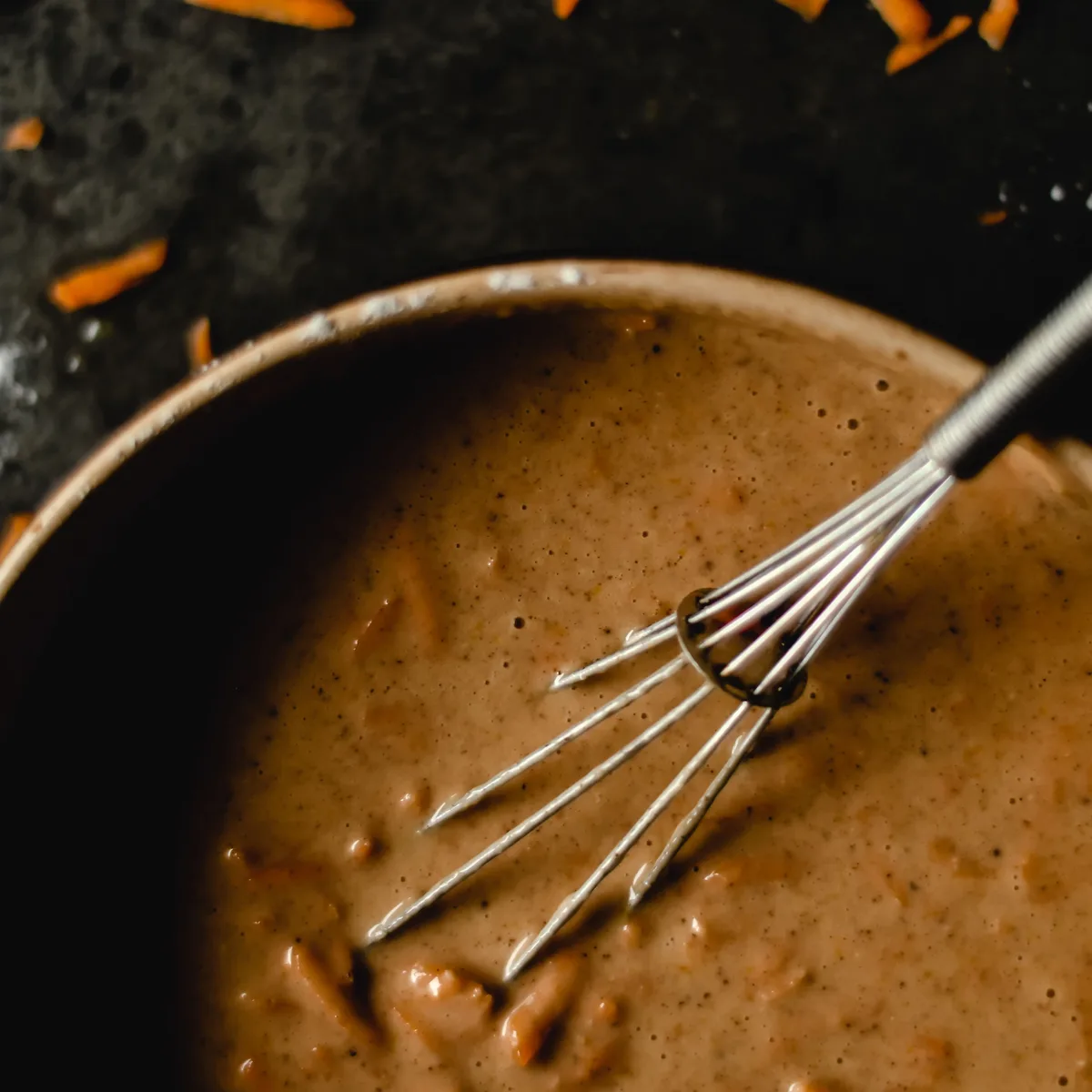
- Whisk the eggs, yogurt, cinnamon and salt together until smooth, then stir in the baking powder.
- Fold in the oats and grated carrot until everything is evenly wet. Let the bowl sit 5 minutes so the oats start to drink the liquid, which is what sets the bake instead of leaving it loose.
- Scrape into the dish, level the top, and bake 30 to 35 minutes until the center is set and springs back when pressed.
- Cool 10 minutes before cutting. It firms as it cools, so slicing warm gives ragged edges.
Why This Recipe Works
- Whole rolled oats set the bake and keep the carbohydrate honest. Old-fashioned oats hold their shape and absorb the egg-and-yogurt base into a sliceable custard, and because they are a whole grain the carbohydrate on the card is counted from the oats themselves, not hidden.
- Grated carrot does the sweetening and the flavour. Coarsely grated carrot brings the carrot-cake character and a gentle natural sweetness, so there is no need for added sugar, sugar-free syrups or any non-nutritive sweetener.
- Greek yogurt and eggs make it a real breakfast, not a snack. The combination pushes the protein per square to double figures, which is what turns a bowl of oats into a more substantial breakfast, and it is all counted on the card.
Ingredient Notes
Rolled oats. Old-fashioned rolled oats, not instant and not steel-cut. Instant oats are milled thinner and turn to paste in a bake; steel-cut never soften enough in the oven time. The card counts the plain whole-grain oat, so no flavoured oatmeal packets, which carry their own added sugar.
Carrots. Three medium carrots, grated on the coarse holes. Coarse keeps a little texture and reads as carrot cake; fine melts away. Carrot is the only sweetener here, and its sugar is counted on the card along with everything else.
Greek yogurt. Plain Greek yogurt brings the tang and most of the protein, and it keeps the crumb moist without butter or oil in the batter. Plain only, since flavoured yogurts carry added sugar the card would then have to answer for.
Cinnamon. A full teaspoon, because cinnamon is doing the work that sugar does in the original cake, making the whole thing read sweet and warm without adding any sugar of its own.
The Method, In Short
The card carries the steps and the shape is simple: whisk the wet, fold in the oats and carrot, rest, bake, cool before cutting. The five-minute rest before the dish goes in the oven is the one step worth not skipping. Rolled oats need a few minutes in the liquid to begin absorbing it, and a batter that goes in still loose bakes loose; a rested batter sets into a square you can lift. Pull it when the centre springs back under a finger rather than when the edges look done, since carryover heat finishes the middle during the cool.
Substitutions and Storage
Swap the Greek yogurt for the same amount of plain unsweetened kefir or a thick plain yogurt for a softer crumb, and recount the card if the yogurt you use differs. A small handful of chopped walnuts folded in adds crunch and richness; add them to the card if you count them. For a warmer spice profile, a pinch of ground ginger or nutmeg alongside the cinnamon deepens the carrot-cake note without changing the method.
Store the cut squares covered in the fridge for up to five days. They eat well cold straight from the container, or warm a square for twenty to thirty seconds so the crumb softens. The whole bake also freezes: wrap squares individually and thaw overnight in the fridge, then warm the same way.
Why the Oats Set Instead of Staying Loose
A baked oatmeal is really a loose custard held together by two things setting at once: the egg proteins coagulate in the oven heat, and the rolled oats swell as they absorb the surrounding liquid. If the oats go into the dish before they have taken up any liquid, they keep drinking it during and after baking, which is why an unrested batter can come out of the oven looking set and then slump into something wet and spoonable as it cools. The rest lets the oats reach most of the way to full hydration before the heat sets the eggs around them, so the two happen together and the square holds its edge. This is checkable in your own kitchen: bake one dish rested and one straight away and the difference in how cleanly they cut is obvious.
FAQ
Is this good for a diabetic breakfast? It is built to be a whole-food breakfast: whole oats, carrot and Greek yogurt, no flour and no added sugar. The card shows the honest carbohydrate and protein per square so you can decide where it fits, with your care team. This site does not publish net-carb figures.
Can I make it without any sweetener at all? It already has none added. The only sugars are the natural ones in the carrot and the yogurt, both counted on the card. If you want it sweeter, add more cinnamon or a little vanilla rather than sugar or a sugar-free syrup.
Why are my squares wet in the middle? Most likely the batter was not rested, so the oats kept absorbing liquid after baking and the middle stayed loose. Give the batter its five minutes next time, and pull the bake when the centre springs back rather than when the edges brown.
Can I use quick oats or steel-cut? Old-fashioned rolled oats are the right choice. Quick oats turn pasty and steel-cut stay hard in the oven time. If rolled is all you change, the texture is what changes most.
Can I turn these into muffins? Yes, spoon the batter into a lined or well-oiled muffin tin and bake about 20 to 25 minutes at the same temperature, until each springs back. The card’s numbers are per square, so re-portion the count to your muffin yield.
Where to Go Next
More morning ideas that skip the added sugar sit on the diabetic breakfast recipes page, and the egg-free options are gathered at diabetic breakfast without eggs. The whole section starts from the diabetic recipes pillar.
Written by Frank Thomson, Skillet & Spoon editorial. Every nutrition figure on this site is calculated ingredient by ingredient from the USDA FoodData Central database, never estimated and never rounded to look better. We do not publish net-carb figures or use non-nutritive sweeteners. How we develop and source recipes is set out in our editorial policy.