High Protein Snacks: 18 Whole-Food Ideas That Travel Well
High protein snacks are the gap where a day quietly loses its protein, because the default snack foods are starch and sugar: crackers, granola bars, fruit on its own, anything from a vending machine. The fix is not a supplement and not a bar with a long label. It is a short list of whole foods that already carry protein, chosen so they survive a few hours in a bag or a desk drawer without turning into something you do not want to eat. This page groups them by what they are built on, and for each one it gives the reason it holds up, because a snack that travels badly gets skipped no matter how good the number on it is. Every protein figure that appears here comes from USDA FoodData Central, the same way the recipe cards on this site are calculated.
What This Page Does Not Do
It does not tell you how much protein to eat, or how many snacks to have, or what to cut. That depends on your body, your training and your medical situation, and it belongs with a doctor or a dietitian, not a recipe site. There is no target here and no plan to follow. What it does is show which snack foods actually carry protein and how to keep them good, which is the part a kitchen can help with.
Dairy: The Best Protein For The Fewest Calories
Plain dairy carries the most protein per calorie of anything on the snack shelf, and it needs no cooking.
Plain Greek yogurt, strained yourself. Greek yogurt is already strained whey, which is why a spoon of it holds more protein than the same spoon of regular yogurt: removing the liquid whey concentrates what is left. Buy it plain and add fruit yourself, because the flavoured tubs dilute the ratio with sugar. If you want it thicker still, rest it in a coffee filter over a cup for twenty minutes and more whey drains away.
Cottage cheese, savoury or sweet. Cottage cheese is mild, cheap and sits high in protein for its calories. It takes salt, pepper and a sliced tomato as readily as it takes berries, so it covers both a savoury and a sweet craving from one tub.
A hard cheese with fruit. A cube of a firm cheese travels without refrigeration for a few hours because its low water content slows bacterial growth, which is the same reason hard cheeses keep far longer than soft ones. Pair it with an apple or grapes for something that needs no cold bag.
For structured versions already on the site, see whipped cottage cheese and the make-ahead ricotta custard cups.
Eggs: Portable Once They Are Cooked Right
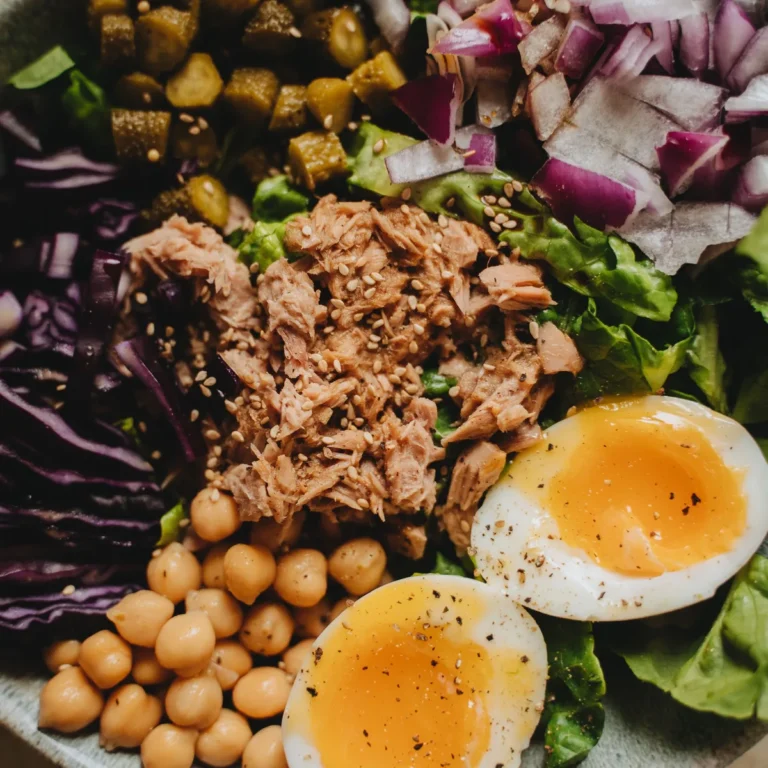
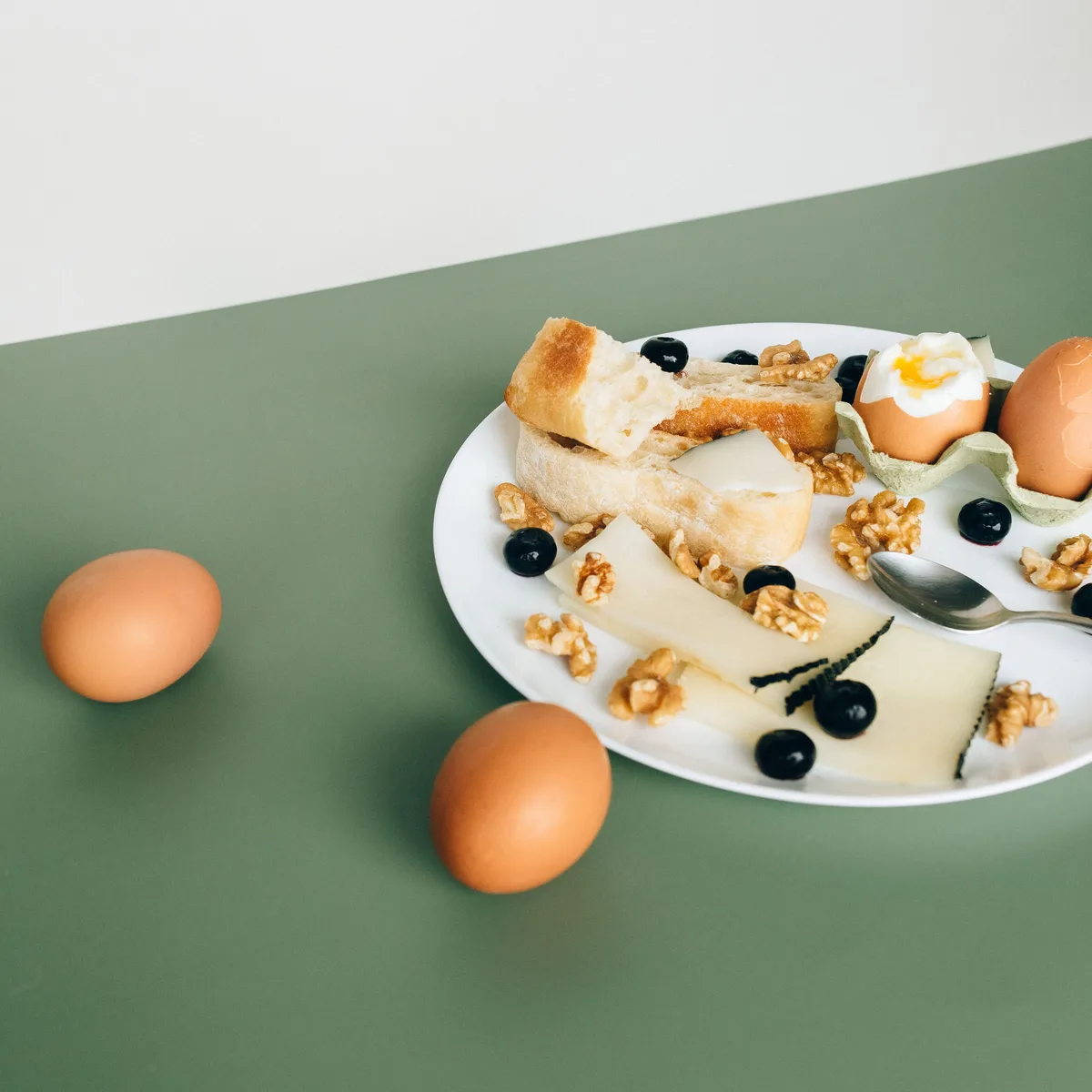
Hard-boiled eggs are the most portable protein there is, and two things decide whether you enjoy them. The first is peeling: a slightly older egg peels far more cleanly than a fresh one, because the white becomes more alkaline as the egg ages and loosens its grip on the inner membrane. The second is the yolk: a grey-green ring around the yolk is iron and sulphur reacting under prolonged high heat, so pull the eggs off at a gentle simmer and drop them into ice water, which stops the cooking and firms the shell away from the white.
Egg bites hold in the fridge for several days and reheat in under a minute, which makes them a genuine grab-and-go rather than a weekend project. The baked, custard-style version is on the site as bariatric egg bites.
Nuts And Seeds: Real Protein At A Real Calorie Cost
Nuts carry solid protein, and they also sit near the top of the calorie column, so they belong in a measured handful rather than an open bag on the desk. The reason open-bag grazing runs away with you is simply that the calories are dense and the chewing is quick, so the usual fullness signals arrive late. Portion a snack bag in advance and the problem disappears.
Almonds, walnuts, pistachios. Pistachios in the shell slow you down on purpose, because the shelling is a built-in brake on the pace.
Pumpkin and sunflower seeds bring protein with less of the headline calorie load of tree nuts, and they keep indefinitely in a sealed jar.
Roasted chickpeas are the one here that rewards technique. They crisp only if their surface is dry before they go in, because the water on them has to boil off before browning can start, so pat the drained can thoroughly and roast hot. Eat them the day you make them: they pull moisture back out of the air within a few hours and soften, which is why the bagged shelf-stable ones are sealed so tightly.
Soy And Legumes: The Plant Route
Edamame is the easiest high-protein snack of all, because it arrives frozen, needs only a few minutes of heat and a little salt, and eats hot or cold. Dry-roasted edamame gives a crunchy version that keeps in a jar.
Roasted or canned beans stretch further than their per-weight figure suggests, because they are eaten in real portions and bring fibre alongside the protein. A small cup of seasoned beans does more work than a sprinkle of something richer.
Tofu, pressed firm and baked into cubes, keeps several days and travels cold. Pressing matters: squeeze the water out first or the surface steams instead of browning, and you lose the firm bite that makes it snackable.
Fish And Meat: Shelf-Stable And Cold-Stable
Canned tuna and salmon are among the densest portable proteins, and the pouch versions need no can opener or draining. Mixed with a spoon of Greek yogurt instead of mayonnaise, they keep the protein high and the calories down.
Plain jerky is concentrated protein because drying removes the water, though it is worth reading the label for added sugar, which many brands lean on heavily. The honest move on this site is to name that rather than pretend all jerky is equal.
Cooked and chilled chicken. A few slices of poached or roasted chicken breast from the fridge is a snack as much as a meal component. Lean meat dries out when it passes done, so cook it hot and briefly and pull it slightly early, because it keeps cooking off the heat.
Sweet Snacks Without The Sugar Spike
Sweet does not have to mean a candy bar, and it does not need a sugar substitute either. This site uses no non-nutritive sweeteners, because stevia and monk fruit report their sweetness in a way that distorts a carbohydrate count, so the sweetness here comes from fruit and dairy.
- Greek yogurt with berries and a few chopped nuts covers a dessert craving with the best protein ratio on the page.
- Cottage cheese with pineapple or peach is an old pairing that works because the acidity of the fruit cuts the dairy.
- A baked option that holds for days is protein baked oats, and for a spoonable one see protein pudding.
How To Keep A Snack Good Until You Eat It
A snack gets skipped when it arrives soggy, warm or crushed, so the storage is half the point.
- Pack wet and dry apart. Keep yogurt or dressing in its own pot and the crisp things separate, because anything crisp pressed against moisture pulls that water in and goes limp. Combine them at the table.
- Cold-stable beats fried every time. Boiled eggs, firm cheese, canned fish, beans and cut vegetables all hold cold. Fried and breaded things do not, because the crust takes up moisture from the air around it.
- Portion before you are hungry. The small bag made in a calm moment is the one that gets eaten as intended, where the open container gets grazed.
- Keep one protein ready in the fridge. A low-protein day is usually the result of nothing being prepared rather than a decision, so a pot of boiled eggs or a tub of cut cheese quietly fixes most of it.
Where The Numbers Come From
The protein figures behind these picks are pulled from exact USDA FoodData Central entries, the same catalog that calculates every recipe card on this site, and the full protein-per-100g table with the entry IDs lives on the high protein meals guide. Two honest notes carry over here. Dry foods such as roasted chickpeas are catalogued dry and lose roughly two thirds of that per-gram density once they take on water, though roasting changes little because it drives water out rather than in. And anything with a powder in it publishes no number on this site at all, because powders vary so much by brand that a figure would be wrong for most readers.
FAQ
What are the best high protein snacks with no cooking? Plain Greek yogurt and cottage cheese lead, because they carry the most protein for the fewest calories and need nothing done to them. A firm cheese with fruit, a handful of nuts, and edamame are the next easiest, and canned tuna or salmon pouches need no preparation either.
What is a good high protein snack that travels well? Hard-boiled eggs, a firm cheese, roasted or dry-roasted edamame, portioned nuts and a tuna pouch all survive a few hours out of the fridge or in a bag. Keep anything crisp in its own container, because moisture from the air softens a crust quickly.
Are nuts a good high protein snack? Yes, in a measured portion. Nuts carry real protein but also sit high in calories, so a pre-portioned handful works where an open bag runs away, simply because the calories are dense and quick to eat.
How do I make hard-boiled eggs easier to peel? Use eggs that are not brand new. As an egg ages its white turns more alkaline and lets go of the inner membrane, so an older egg peels cleanly where a very fresh one tears. An ice bath straight after cooking also helps the white pull away from the shell.
Do I need protein powder or protein bars for snacks? No. Every snack on this page is whole food. Powders and bars are convenient rather than necessary, and because brands differ so widely this site publishes no nutrition numbers for recipes that use a powder.
How much protein should a snack have? This site does not set a target, because the right amount depends on your body, your activity and your medical situation. That is a question for a doctor or a registered dietitian.
Where to Go Next
Start with the index that carries the full protein table and the cooking behind each food, the high protein meals guide. For structured, make-ahead snacks already calculated on the site see whipped cottage cheese, ricotta custard cups, protein pudding and protein baked oats.
Written by Frank Thomson, Skillet & Spoon editorial. Every nutrition figure on this site is calculated ingredient by ingredient from the USDA FoodData Central database, never estimated and never rounded to look better. We do not publish net-carb figures or use non-nutritive sweeteners. How we develop and source recipes is set out in our editorial policy.