
High Protein Lunch Ideas That Survive the Fridge
High protein lunch ideas have one constraint the other meals do not: lunch is usually packed hours ahead and often eaten cold, with no chance to reheat properly. That is why so many good dinners make bad lunches, and why the trick is less about the recipe than about choosing foods that hold their texture after a night in the fridge and a morning in a bag. This page is built around that: which proteins stay good cold, how to pack them so nothing goes soggy, and how to turn one cook into a week of lunches. Every protein figure is from USDA FoodData Central, the catalog this site uses for its recipe cards.
The Rule For Lunch: Cold-Stable Beats Fried
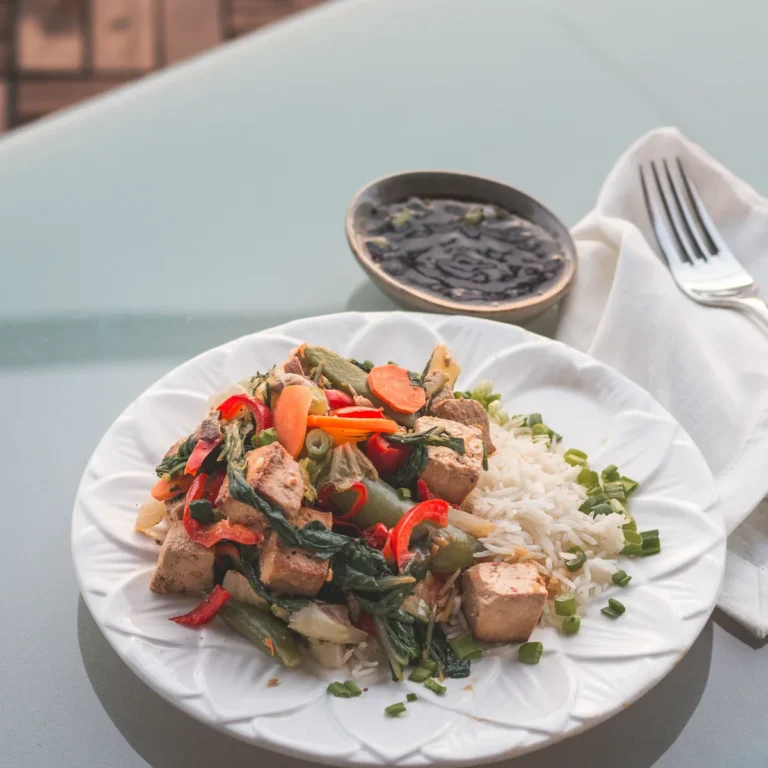
Some proteins are better cold than others, and it is predictable. Poached or roasted chicken, hard-boiled eggs, canned fish, beans, tofu and firm cheeses all hold their texture cold, because they have no crust to lose and their structure is already set. Fried and breaded things do the opposite: the crust is crisp only while dry, and it takes up moisture from the air and from whatever it is packed against, so by lunchtime it is soft. The honest move is to pack the things that travel and leave the ones that do not for a plate at home.
Pack It So Nothing Goes Soggy
Most sad lunches are a storage problem, not a recipe problem.
- Keep wet and dry apart. Dressing and anything saucy in its own pot, crisp things in another, combined only at the table. Anything crisp pressed against moisture pulls that water in and wilts.
- Build a jar from the bottom up. Dressing at the base, then sturdy items that can sit in it, such as beans, grains or chicken, then softer vegetables, then greens on top out of the wet. Shaken at the table it dresses evenly, and the greens never sit in liquid.
- Salt draws water out of vegetables. A salted dressing slowly pulls liquid from cucumber or tomato by drawing it across the cell walls, so put those on top, away from the dressing, until you eat.
Cold Proteins Worth Packing
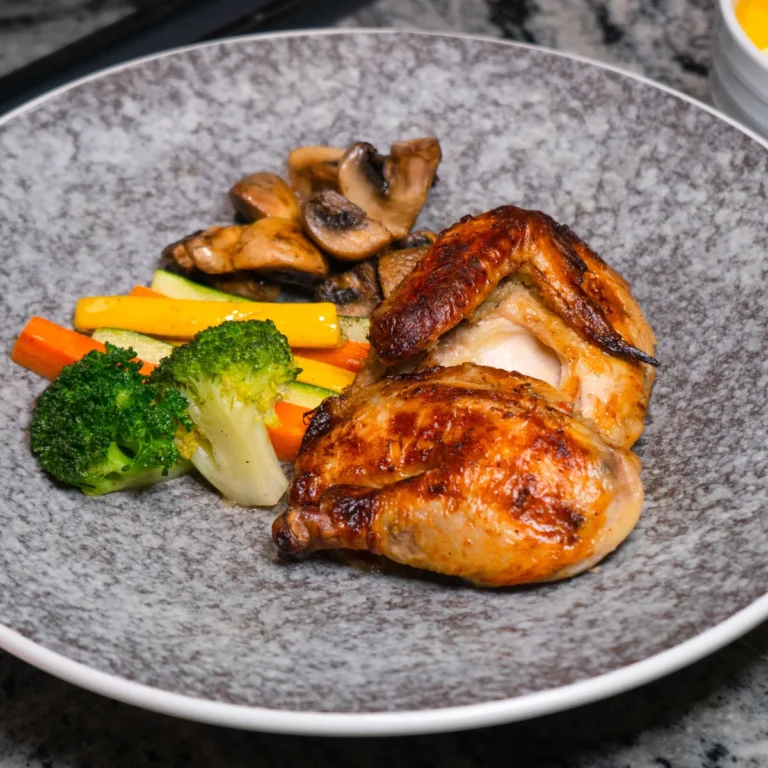
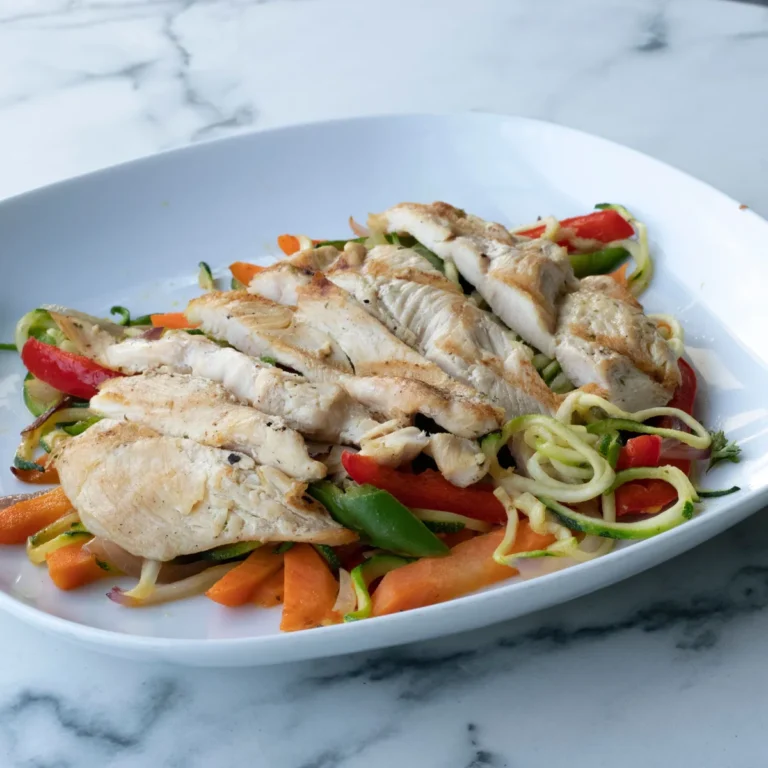
- Poached or roast chicken, sliced, is the backbone of a packed lunch and holds cold without drying if it was not overcooked to begin with.
- Hard-boiled eggs are the most portable protein there is, and a slightly older egg peels clean because its white turns alkaline with age and lets go of the membrane.
- Canned tuna and salmon, mixed with a spoon of Greek yogurt instead of mayonnaise, keep the protein high and travel without a can opener in the pouch form.
- Firm cheese travels a few hours unrefrigerated because its low water content slows spoilage.
- Beans, seasoned, do more than their per-weight figure suggests because they are eaten in cupfuls and bring fibre with the protein.
- A cold, dairy-based lunch already on the site is the bariatric cottage cheese salad.
Lunch Bowls And Jars
A grain-and-protein bowl is the most reliable packed lunch, as long as the grain is treated honestly. Rice, quinoa and other grains are catalogued dry and carry about a third of that protein once cooked, so the protein in a bowl should come mainly from the chicken, beans, eggs or tofu on top rather than from the grain itself. Keep a crunchy element in its own pot and add it at the table. The packing logic in Mexican lunch ideas applies directly.
Wraps And Sandwiches That Hold
A protein wrap or sandwich can survive to lunch if it is built with a barrier. The reason a packed sandwich goes soggy is that moisture from the filling soaks into the bread, so spread a layer of fat against the bread first, butter, mashed avocado or a thin film of cream cheese, which slows the water from crossing into the crumb. Keep the wettest items, tomato and cucumber, in the centre away from the bread, or packed separately and added at the table. A sturdier bread or a wrap holds up far better than soft sliced bread, which saturates fastest.
Thermos Lunches: Keep It Hot
A wide-mouth insulated flask turns a hot lunch into a packable one, and it works best preheated: fill it with boiling water for a minute and tip it out before adding the food, so the flask itself is not cold and does not pull the heat straight out. Chilli, a protein-rich soup, a bean stew or shredded meat with rice all hold for hours this way. The foods that braise well are the ones that travel well hot, because they are already cooked long and low and do not suffer from sitting. Pack the food straight from the stove into the warmed flask, because the hotter it starts the longer it stays both safe and good.
Dips And Crudités
A protein dip with vegetables is an easy cold lunch or a sturdy side. Blended cottage cheese or Greek yogurt makes a thick, high-protein base that takes herbs, garlic or roasted pepper, and chickpeas blended in, as in hummus, add more protein and body. Pack the dip and the cut vegetables apart so the vegetables stay crisp, and combine at the table. It is the same wet-and-dry rule that governs every good packed lunch.
Meal Prep: Cook Once, Eat All Week
Lunch is the meal meal-prep was invented for. A single Sunday cook of a protein and a grain, portioned into containers with vegetables added fresh each morning, removes the weekday decision entirely. The reason it works is that the components that hold well cold are also the ones that reheat or eat cold without turning, so a batch of poached chicken, turkey meatballs or a pot of beans quietly covers four lunches. Keep sauces and crisp things separate until the day, so texture survives the storage.
Where The Numbers Come From
Protein figures come from exact USDA FoodData Central entries, with the full protein-per-100g table and the entry IDs on the high protein meals guide. The dry-weight note matters most for lunch bowls: a cooked grain base carries far less protein per gram than its dry figure, so the protein belongs on top.
FAQ
What high protein lunch can I eat cold? Poached or roast chicken, hard-boiled eggs, canned tuna or salmon, firm cheese, beans and tofu all hold their texture cold, because they have no crust to lose. Fried and breaded foods soften by lunchtime and are better eaten at home.
How do I keep a packed lunch from going soggy? Keep wet and dry apart and combine at the table. In a jar, put dressing at the bottom, sturdy items above it, and greens on top out of the liquid, because anything crisp sitting in moisture wilts.
What is a good high protein meal-prep lunch? A batch of one protein, such as poached chicken, turkey meatballs or seasoned beans, with a grain and vegetables portioned into containers. Add crunchy items and sauce on the day so the texture holds.
Why do my meal-prep salads wilt? A salted dressing draws water out of vegetables over time by pulling it across the cell walls. Keep the dressing separate, or at the base of a jar with the greens on top, until you eat.
Does the grain in my lunch bowl count for much protein? Less than it looks. Grains are catalogued dry and carry about a third of that protein once cooked, so build the protein from the chicken, beans, eggs or tofu, not the rice.
How much protein should lunch have? This site sets no target, because it depends on your body, your activity and your medical situation. Ask a doctor or a registered dietitian.
Where to Go Next
See the high protein meals index for the full table, high protein dinner ideas for the cook that becomes tomorrow’s lunch, and high protein snacks for the rest of the day. A ready cold lunch on the site is the bariatric cottage cheese salad.
Written by Frank Thomson, Skillet & Spoon editorial. Every nutrition figure on this site is calculated ingredient by ingredient from the USDA FoodData Central database, never estimated and never rounded to look better. We do not publish net-carb figures or use non-nutritive sweeteners. How we develop and source recipes is set out in our editorial policy.