Bariatric Turkey Meatballs That Stay Tender at 165F
Bariatric turkey meatballs have to solve a problem beef meatballs do not: ground turkey is lean, it is safe only at 165F, and lean meat held at 165F is usually dry meat. This version solves it twice, with grated squeezed zucchini worked into the mix and with ten extra minutes simmering in the sauce after the temperature is already met. The result stays tender through reheating and freezing, which makes it the most bankable protein in this silo. The card carries USDA-calculated numbers with protein stated per serving.
Ingredients
Method
- Grate the zucchini and squeeze it hard in a clean towel until it stops giving water. Wet zucchini makes a loose mix that will not hold a ball.
- Mix the turkey, squeezed zucchini, egg, parmesan and half the salt with your hands, stopping the moment it comes together. Overworked mix bounces.
- Shape into 18 balls and chill them 10 minutes; chilled meatballs hold their shape when they hit the pan.
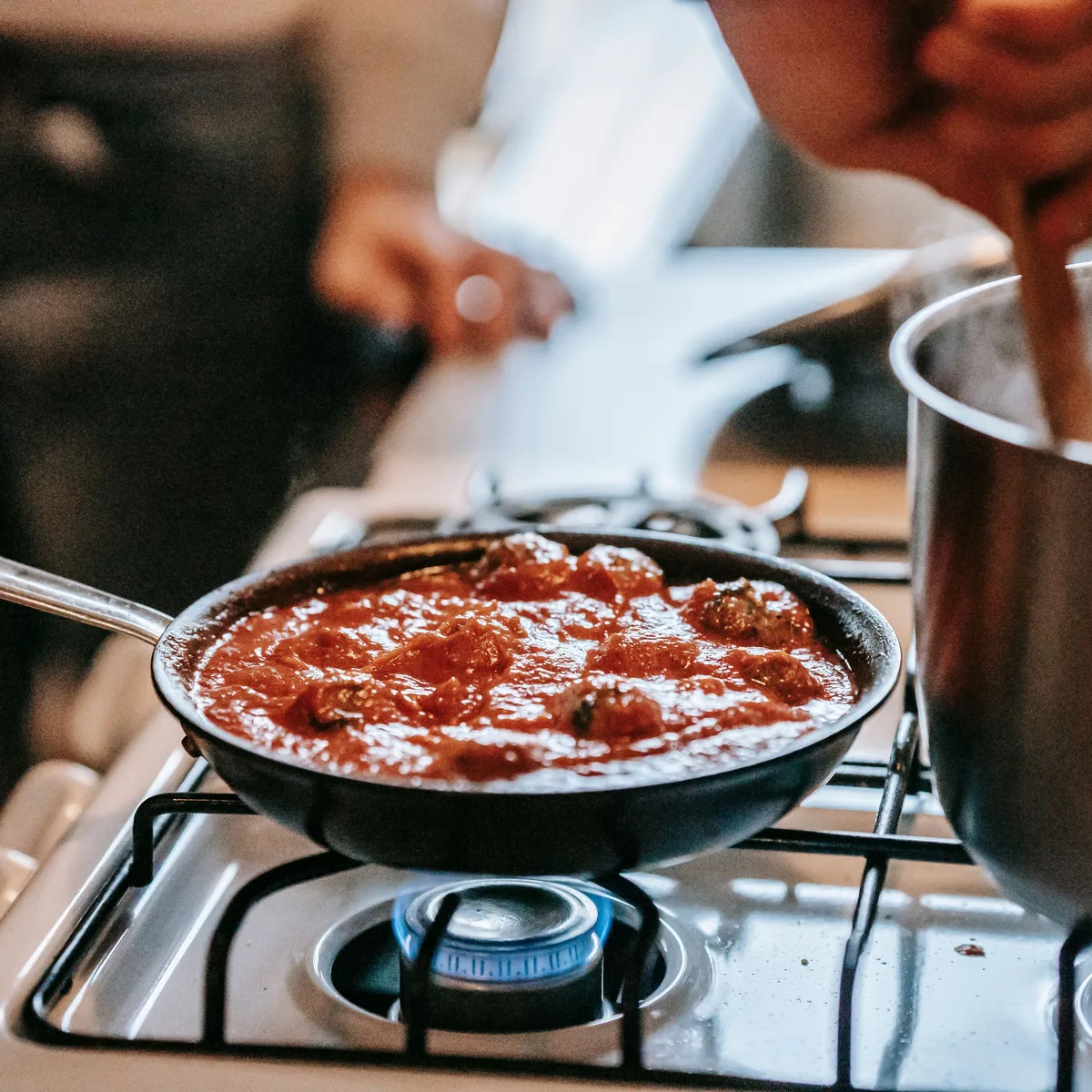
- Meanwhile, soften the onion in the oil, add the garlic and oregano for 30 seconds, then the crushed tomatoes and remaining salt. Simmer 10 minutes.
- Lower the meatballs into the sauce, cover, and simmer gently 20 minutes, until they reach 165F at the center.
- Uncover and simmer 10 minutes more. This stretch is not about safety; it is what takes them from cooked to genuinely tender.
Why This Recipe Works
- Grated zucchini is moisture that survives cooking. Squeezed dry it adds no water to the raw mix, then releases gently inside the meatball as it heats, which is exactly where lean turkey needs it.
- The ten minutes after 165F are the recipe. Safety is met at twenty minutes; tenderness arrives at thirty, when the proteins relax back in the sauce. Pull them at temperature alone and they are correct and unremarkable.
- They cook in the sauce they are served in. Nothing is browned and transferred, so no moisture is lost to a searing pan and no fond is left behind in a dish nobody eats.
Ingredient Notes
The turkey. Ninety three percent lean is the fat level this recipe is built around. The fat-free grind fights this recipe, drying out even with the zucchini, because there is no rendered fat to carry moisture through the 165F hold, and if it is what the store has, add a tablespoon of oil to the mix. Ground chicken swaps in one for one with the same fat level and the same behavior.
The zucchini. One medium, grated on the large holes and squeezed hard in a towel. This is the recipe’s only real technique and it is unforgiving: unsqueezed zucchini makes a mix so loose the balls slump in the pan, because the water held in the grated flesh has nowhere to go but into the mix.
The binder. One egg and an ounce of parmesan, no breadcrumbs. The parmesan brings salt and enough structure to hold, and skipping the crumb keeps the arithmetic simple. If your mix still feels loose after squeezing properly, chill it fifteen minutes rather than adding anything.
The tomatoes. A 28 ounce tin, doing double duty as cooking medium and sauce, and carrying most of the recipe’s carbohydrate, which is why the post has a label note under the card. Tins vary by brand and some carry added sugar; check yours once.
The Method, In Short
The card carries the steps. The shape is squeeze, mix gently, chill, simmer covered, then simmer uncovered. Mixing is the one place restraint matters: work the meat until it just coheres and stop, because overworked ground meat develops a springy, sausage-like bounce that no cooking method undoes.
The chill is ten minutes and it is structural. Cold meatballs hold their shape when they meet hot sauce; room temperature ones slump and sometimes break apart, which turns a meatball dinner into a bolognese by accident.
The two simmer stages are doing different jobs. Covered for twenty minutes brings them to a safe 165F gently. Uncovered for ten more thickens the sauce slightly and takes the texture from firm to yielding. A thermometer through the side of one meatball is the honest referee for the first stage; the fork test from bariatric soft food recipes is the referee for the second.
Storage, Freezing and Reheating
This is the best freezer citizen in the silo. Refrigerated, meatballs hold four days in their sauce and improve overnight as they absorb it. Frozen in single portions with enough sauce to cover, they keep three months and thaw without texture loss, which is unusual for a lean ground meat.
The storage rule is absolute: always in the sauce, never drained. Sauce is what keeps them from tightening in the cold, and meatballs stored dry come back firm and slightly grainy. Reheat covered and gentle, with a splash of water if the sauce has thickened, and the ten-extra-minutes tenderness comes right back.
Why These Two Steps Matter
The ten minute uncovered stretch is where texture is made, not safety. At 165F the meatballs are cooked through, but the muscle proteins are still contracted and gripping their water tightly, which is what reads on the fork as firm and slightly springy. Ten more minutes of gentle heat lets those proteins relax and reabsorb liquid from the sauce, so the same meatball at the same temperature finishes yielding rather than tight. The temperature does not change in those ten minutes; the texture does.
The zucchini step decides the same thing at the other end. Grated zucchini that has not been squeezed carries enough free water to loosen the mix past the point where it can hold a ball, so the meatballs flatten in the pan and finish as patties in sauce. Squeezing the zucchini dry removes that loose water while leaving the moisture bound in the flesh, and it is that bound moisture that releases gently inside the meatball as it heats, exactly where lean turkey needs it.
FAQ
Which texture are these? Soft as written, and softer still after the full simmer and a night in the sauce. Whether soft is your current assignment is your surgical team’s call; the label describes the food and never clears it.
Can I bake them instead? You can bake at 400F for about 18 minutes, then finish them in the sauce for the tenderizing ten. You lose nothing but you gain a pan to wash, which is why the recipe simmers from raw.
Why no breadcrumbs? The parmesan and egg bind adequately and the zucchini supplies the moisture crumbs are usually there to hold. Skipping them keeps the card simpler and the texture more tender, not less.
Can I use beef? Yes, and the browning rules from our diabetic silo apply instead, since beef benefits from a hard sear that turkey does not need. Recount the card; the arithmetic moves with the meat.
What do I serve them with? Alone in a small bowl with sauce spooned over, over dry-toasted cauliflower rice, or over pasta counted plainly for the rest of the table. The shared-table logic is at bariatric friendly recipes.
Where to Go Next
The soft-texture technique file is at bariatric soft food recipes, the freezer bank system at bariatric meal prep ideas, and the section starts at the bariatric recipes pillar.
Label note: most of the carbohydrate in this recipe comes from the canned crushed tomatoes, calculated here from USDA’s generic entry. Brands vary, and some contain added sugar, so check the label on the one in your kitchen.
Written by Frank Thomson, Skillet & Spoon editorial. Every nutrition figure on this site is calculated ingredient by ingredient from the USDA FoodData Central database, never estimated and never rounded to look better. We do not publish net-carb figures or use non-nutritive sweeteners. How we develop and source recipes is set out in our editorial policy.