18 Gastric Sleeve Recipes by Texture and Protein
Gastric sleeve recipes, as a search, deserves one honest sentence before any food: the differences that matter between procedures are clinical, and they are managed by your program, not by a recipe’s ingredient list. What the kitchen owns is the same set of problems this whole section is built on, protein first, moisture engineered, textures honest, flavor at small volumes, and those problems do not change their nature with the procedure’s name. So this page organizes the eighteen recipes the way the section always does, by texture and protein, and leaves the procedure-specific guidance where it belongs, with your team.
The full collection lives at bariatric diet recipes; this page is its guided tour for readers arriving through this search.
Smooth: The Blended Bench
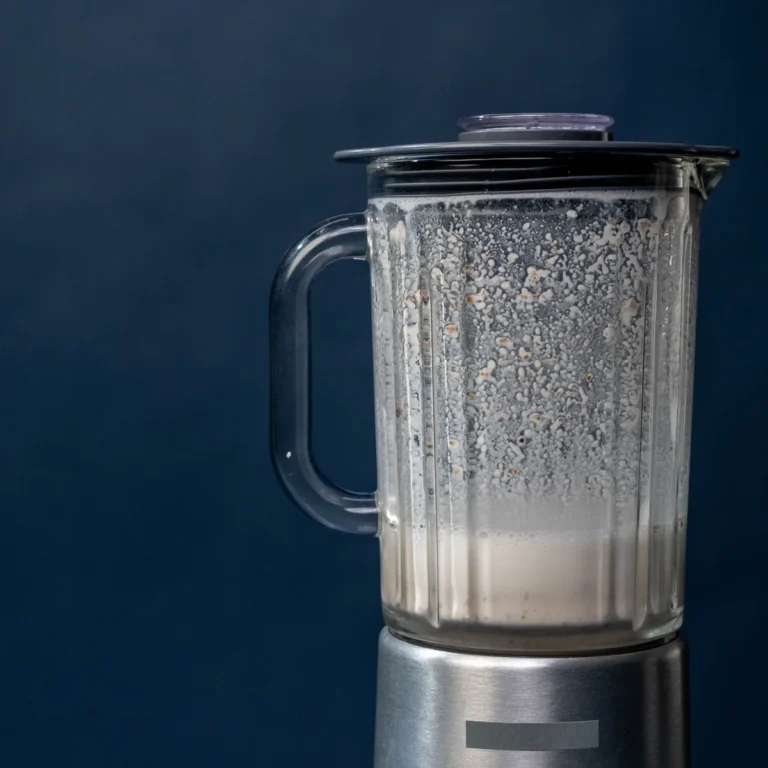
Blended chicken soup. Thigh meat blended into its own strained broth. The reference smooth build, and the blender rules at bariatric puree recipes are its instruction manual.
Red lentil puree with lemon. The pantry’s protein-and-body deal, lemon off the heat where citrus stays bright.
Whipped cottage cheese, both directions. The five minute converter: savory with chives, sweet with sieved berries. Thirty blender seconds deletes the curds.
Ricotta custard cups. Water-bathed at 325F until barely set. Gentle heat is the recipe; direct heat curdles the edges first.
Silky butternut with tahini. Roasted before blended, strained after. Roasting is where the flavor comes from.
Soft: Tender by Technique
Soft scrambled eggs. Low, slow, folded, out early. The one-pan course in half this section’s technique.
Egg bites, cottage cheese set. The blended method from diabetic crustless vegetable quiche, portioned by the tin, five breakfasts banked.
Salsa chicken. The diabetic salsa chicken pot: four low hours, shredded into its liquid, the timer rule doing the protecting.
Poached cod in tomato pepper sauce. Fish that cannot dry, because it cooks in its sauce. The most forgiving dinner this section owns.
Turkey meatballs, zucchini build. Tender at 165F thanks to the grated squeezed zucchini, softer still after ten extra minutes in the sauce.
Tuna salad, soft build. Mashed fine with Greek yogurt, celery minced small. The knife decides the texture.
Slow cooker chicken and vegetable soup. The pot that shreds itself, half-blendable into two textures at serving.
Regular Texture, Carefully
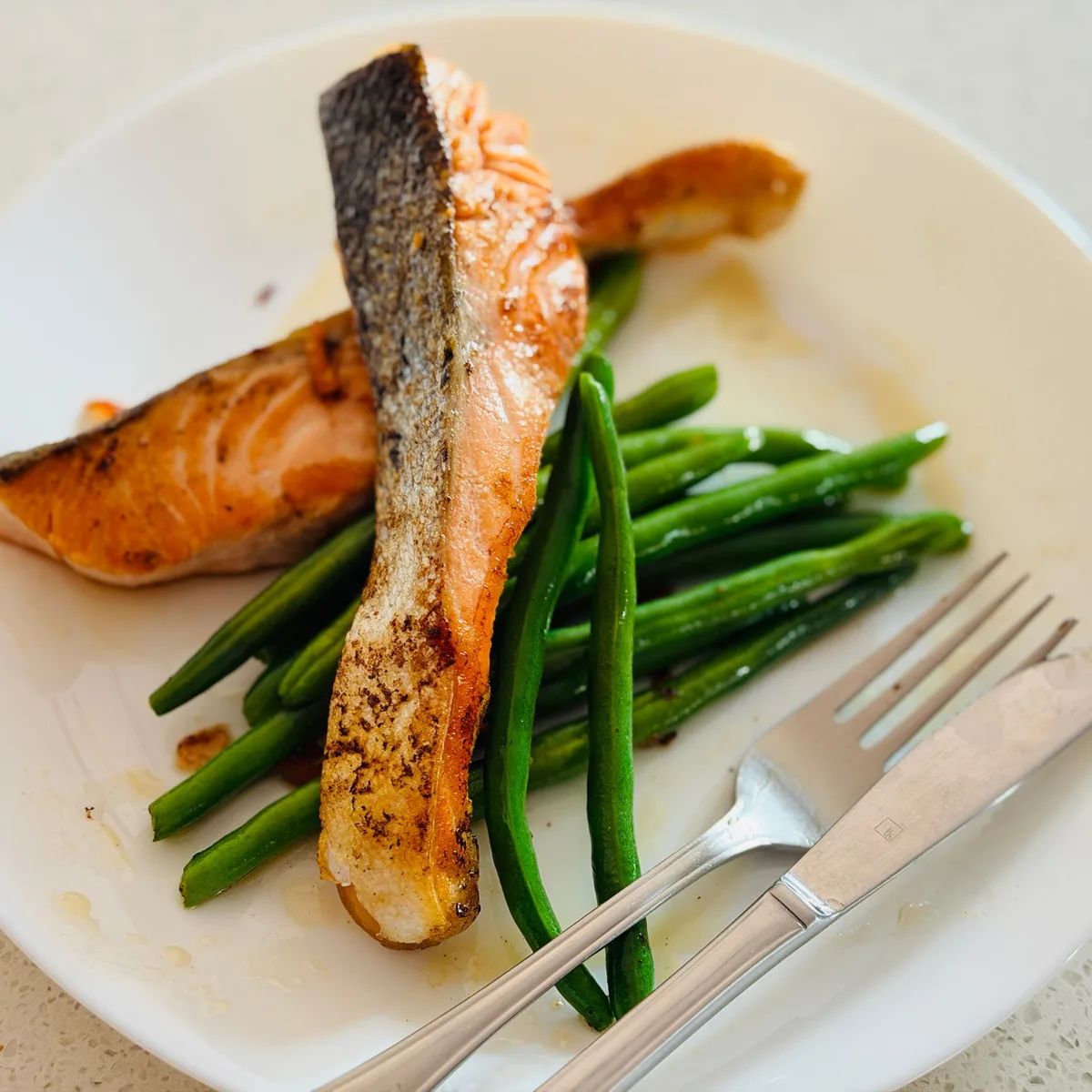
Sheet pan salmon and green beans. The stagger method, fish pulled while the center is barely translucent. Moisture discipline matters more at small portions, not less.
Skillet thighs with charred cabbage. Thighs to 175F where they go silky; cabbage charred hard beside them.
Zucchini lasagna, loaf pan. The salt-and-drain build scaled to a small household, better on day two.
White bean and tomato stew. The cheapest tender protein in the pantry, freezing in single portions.
Garlic lime shrimp with cauliflower rice. The ninety second rule at full speed, twenty five minutes from freezer bag to table.
Baked ricotta chicken. Cutlets under a soft ricotta layer, baked covered. The anti-gratin.
The System Around the Recipes
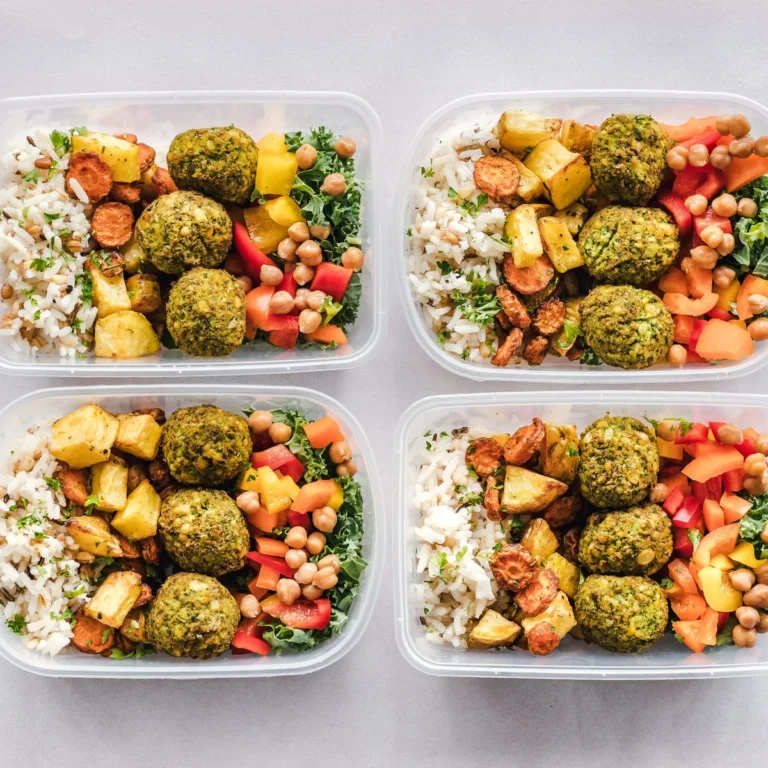
Eighteen recipes become a working kitchen through the same three systems the whole section runs on, linked rather than repeated. The bank: two weekly cooking sessions stocking proteins, soups and breakfast portions, laid out at bariatric meal prep ideas. The evening triage: fast, banked or hands-off, matched to the day’s energy, at bariatric dinner recipes. And the shared table: dishes that split at the plate so one stove feeds every eater in the house, at bariatric friendly recipes. None of these systems knows or cares which procedure brought you to them, which is exactly the point: the kitchen work is shared, and the differences ride with your program.
The First Shopping Trip
For the reader starting this section from an empty fridge, here is the basket that unlocks the most recipes per bag, built from the full shelf reasoning at bariatric food list. Proteins: a dozen eggs, the large cottage cheese tub, Greek yogurt, a pack of chicken thighs, one bag of frozen white fish fillets. Pantry: red lentils, one can each of white beans and crushed tomatoes, broth, and the four spices that carry the silo, cumin, smoked paprika, oregano and cinnamon. Produce: half a cabbage, an onion bag, carrots, a couple of zucchini, lemons, one ripe banana and a bag of frozen berries. That basket alone cooks eleven of the eighteen recipes above, from the blended chicken soup through the whipped cottage cheese to the thighs with charred cabbage, and it costs less than most single restaurant meals. The second trip adds the salmon, the ricotta and the ground turkey as the rotation widens. The point of publishing the basket is the same as the whole page: the kitchen side of this chapter is concrete, affordable and startable this afternoon, and none of it waits on anything except your program’s go-ahead about what is yours to cook right now.
How the Numbers Work
Recipe cards in this section carry nutrition calculated ingredient by ingredient from USDA FoodData Central, protein stated per serving, sources archived, per our editorial policy. Portions, schedules and anything procedure-specific belong to your program and the resources at asmbs.org.
FAQ
Are gastric sleeve recipes different from other bariatric recipes? The cooking problems are the same, protein, moisture, texture, small volumes, and this section solves them once for everyone. Whatever genuinely differs for your procedure is clinical guidance, and your program delivers it, not a recipe page.
Which textures should I start with? The ones your team has you working with right now; the page is organized so you can enter at any of the three. The texture labels describe the food honestly and never clear it.
What about the stages I keep reading about? Stage systems are program-specific and their timelines belong to your team, which is why our stage pages, like bariatric stage 2 diet recipes, teach the texture and refuse the calendar.
Do I need different recipes than someone with a different procedure? Not from a cooking standpoint, and this section declines to pretend otherwise: tenderness, moisture and protein are the same kitchen problems for everyone. What differs for you is clinical and personal, and your program’s guidance carries it.
Where should a new reader start cooking? Soft scrambled eggs tonight and the salsa chicken this weekend. One is a skill, the other is a system, and the rest of the section builds on both.
How do I make a small portion still eat like a meal? Push flavour and protein density up rather than volume out. A poached, shredded protein reheated in a spoon of its own reduced cooking liquid tastes fuller than the same protein eaten dry, because the concentrated liquid coats every shred instead of evaporating. A squeeze of acid at the end, lemon or a splash of vinegar, sharpens a small plate the way salt sharpens a large one, so the food reads as satisfying at a size your stomach can actually take.
Where to Go Next
The full collection is at bariatric diet recipes, the technique files at bariatric puree recipes and bariatric soft food recipes, and the section’s rules at the bariatric recipes pillar.
More recipes to try
Written by Frank Thomson, Skillet & Spoon editorial. Every nutrition figure on this site is calculated ingredient by ingredient from the USDA FoodData Central database, never estimated and never rounded to look better. We do not publish net-carb figures or use non-nutritive sweeteners. How we develop and source recipes is set out in our editorial policy.