13 Bariatric Lunch Ideas That Pack and Keep
Bariatric lunch ideas are a logistics problem wearing a food costume. Lunch happens away from the kitchen more than any other meal, on someone else’s schedule, with a microwave of unknown temperament or none at all, and the meals that work are the ones designed for that reality. The thirteen builds below split by their transport plan: cold builds that want no reheating, jar meals that reheat gently anywhere, and the desk-drawer tier for days that go sideways. Protein leads everything, textures are labeled, and every one keeps at least three days so one prep session covers most of a week.
This is the midday bench of our bariatric diet recipes collection, running on the same bank logic as bariatric breakfast ideas.
Cold Builds, No Microwave Required
Tuna salad, soft build. Soft texture. Tuna mashed fine with Greek yogurt, Dijon and minced celery. Packs against soft cucumber rounds or eats with a fork as it is; three days refrigerated.
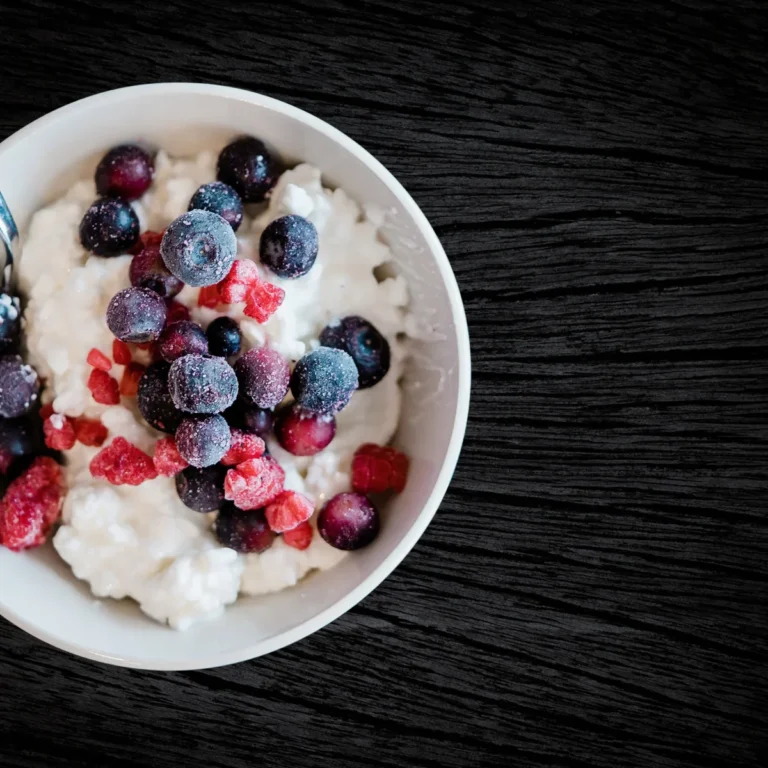
Cottage cheese egg salad. Soft texture. Jammy eggs folded through whipped cottage cheese with chives. The two-protein bowl that made the high-protein page, in a lidded jar.
Chicken salad from the poached bank. Soft texture. The week’s poached chicken chopped fine with yogurt dill sauce from the condiment shelf at bariatric friendly recipes. Mince, do not chunk; texture is decided at the knife.
Tuna and white bean salad. Soft texture. Counted beans, lemon, olive oil, parsley. It improves by day two as the beans drink the dressing, which makes it the best Monday-prep in this list.
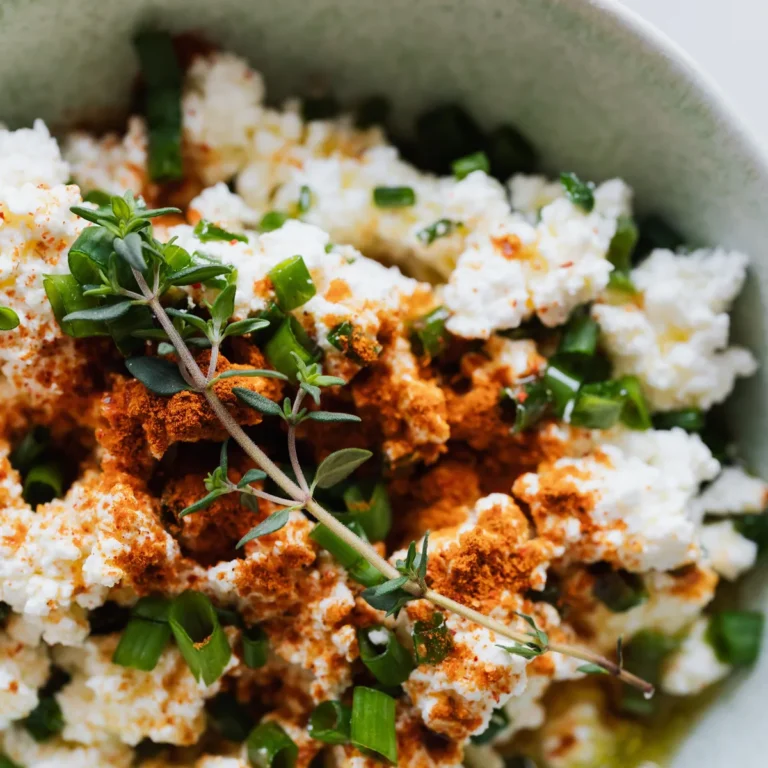
Whipped cottage cheese cup, savory. Smooth texture. Blended with herbs, packed with soft avocado. The five minute prep that eats like it took longer.
Cold salmon over greens. Regular texture, naturally tender. Last night’s deliberately-extra fillet, pulled early per the house rule, flaked cold with lemon at noon. Planned leftovers beat improvised ones.
Jar Meals, Gentle Reheat
Blended chicken and vegetable soup. Smooth texture. The reference pot from bariatric soup recipes in a single-portion jar. Half power, short bursts, stir between; blended food shows every hot spot.
Red lentil soup with lemon. Smooth when fully blended. Re-taste after reheating and add the fresh lemon at the desk if you can; the fridge mutes acid and thirty seconds brings it back.
Chicken, white bean and carrot half-blend. Soft texture with body. The two-textures-in-one-jar pot, and the best traveler of the soup bench: its blended half protects the tender pieces through the commute.
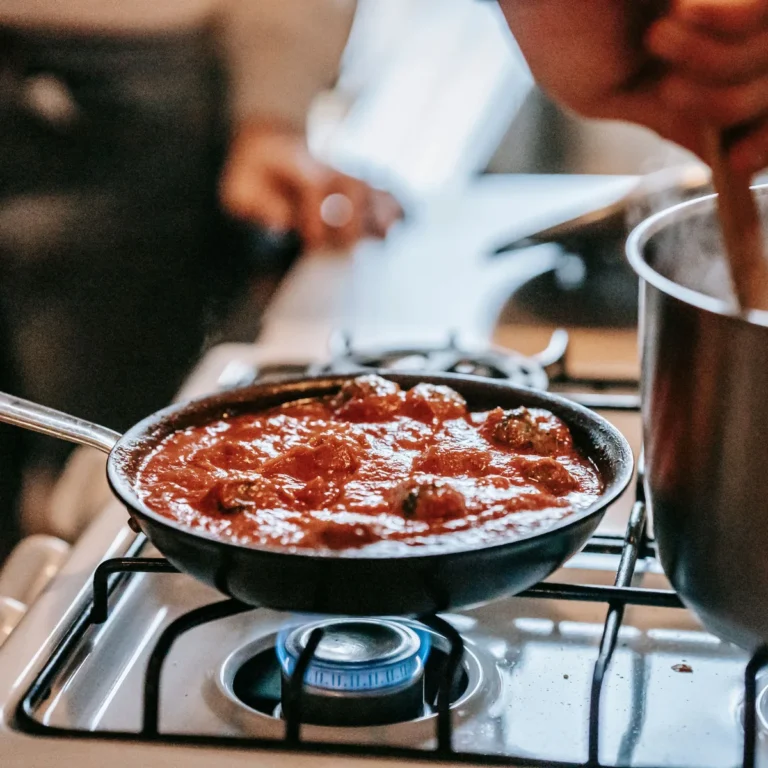
Turkey chili, small jar. Soft texture. The diabetic turkey chili pot portioned small, beans counted as always. Day-two chili outranks day-one chili; lunch is where it peaks.
Salsa chicken bowl. Soft texture. Shredded chicken in its liquid over soft avocado, packed separately and assembled at noon so nothing weeps. The liquid is what survives the microwave.
The Desk Drawer Tier
The standing kit. A shelf-stable fallback that lives where lunch happens: tuna pouches, a small jar of real nut butter, and whatever your program’s own guidance stocks alongside them. Protein first even on the sideways days, because the fallback that is just crackers leaves the afternoon worse than it found it.
The thermos move. Any soup from the bank, heated properly at home and carried hot. It converts the no-microwave office from a constraint into a non-event, and it is the oldest lunch technology that still wins.
Packing Rules That Earn Their Space
Three habits decide whether a good lunch survives transport. Pack wet and dry separately, always: dressing in a tiny jar, avocado added at noon, the salsa chicken’s liquid doing its protective work in its own container. Choose small jars over big boxes, because half-empty containers bruise food and morale equally, and this section’s portions deserve containers that fit them. And label the freezer bank’s single portions clearly enough that grabbing lunch on the way out takes five seconds; the system that requires reading three unlabeled bags at 7 am is a system that gets abandoned by Thursday. None of this is cooking, and all of it is why the same recipe succeeds for one person and fails for another.
The Friday Audit
One short weekly habit keeps the lunch system honest: on Friday, look at what came home uneaten and ask why, because uneaten lunches are data, not failures. A jar that came back because the office microwave mangled it moves to the cold-build list or the thermos. A salad that arrived sad points at a packing error, wet and dry travelling together, and the tiny-jar fix. Anything that came back twice gets retired without ceremony; taste changes, and a rotation that ignores that fact becomes a rotation of guilt. The audit also runs forward: if the week ahead has no fridge access, the desk-drawer tier and thermos carry it, and if it has travel days, the no-cutlery builds win. Five minutes on Friday, and next week’s prep session cooks what will actually get eaten instead of what got planned. Nothing in the audit is about how much or when, which stay your program’s questions; it is inventory management for a small, honest kitchen, and it is the difference between a lunch system that improves and one that quietly gets replaced by the vending machine.
How the Numbers Work
Recipe cards in this section carry nutrition calculated ingredient by ingredient from USDA FoodData Central, protein stated per serving, sources archived, per our editorial policy. Portions and daily targets belong to your program and the resources at asmbs.org.
FAQ
Which of these work without any reheating? The entire cold-build section, six meals deep, plus the thermos move which reheats at home instead. A no-microwave workplace changes the packing plan, not the menu.
How long do these keep packed? Three to four days refrigerated for the cold builds, and the soups freeze in single jars for months. The salad with beans genuinely improves on day two; the egg-based builds are best inside three.
Are the textures here office-appropriate? That question is exactly why the jar and cold builds dominate: nothing here needs cutting, and the smooth and soft labels mean what they say. Whether a given texture is your current assignment stays your team’s call.
Do these work for someone back at a physical job? The thermos and cold builds were designed for exactly that: no microwave assumptions, no cutting required, containers that survive a work bag. Energy demands and meal timing on a physical job are questions for your program; the packing survives either answer.
What should I prep first? The half-blended chicken and bean pot on Sunday. It produces four travel-proof jars, covers the week’s hardest logistics, and its recipe teaches the half-blend trick everything else borrows.
Where to Go Next
Mornings are covered at bariatric breakfast ideas, the soup bench at bariatric soup recipes, and the section starts at the bariatric recipes pillar.
More recipes to try
Written by Frank Thomson, Skillet & Spoon editorial. Every nutrition figure on this site is calculated ingredient by ingredient from the USDA FoodData Central database, never estimated and never rounded to look better. We do not publish net-carb figures or use non-nutritive sweeteners. How we develop and source recipes is set out in our editorial policy.