Diabetic Crustless Vegetable Quiche, Cottage Cheese Set
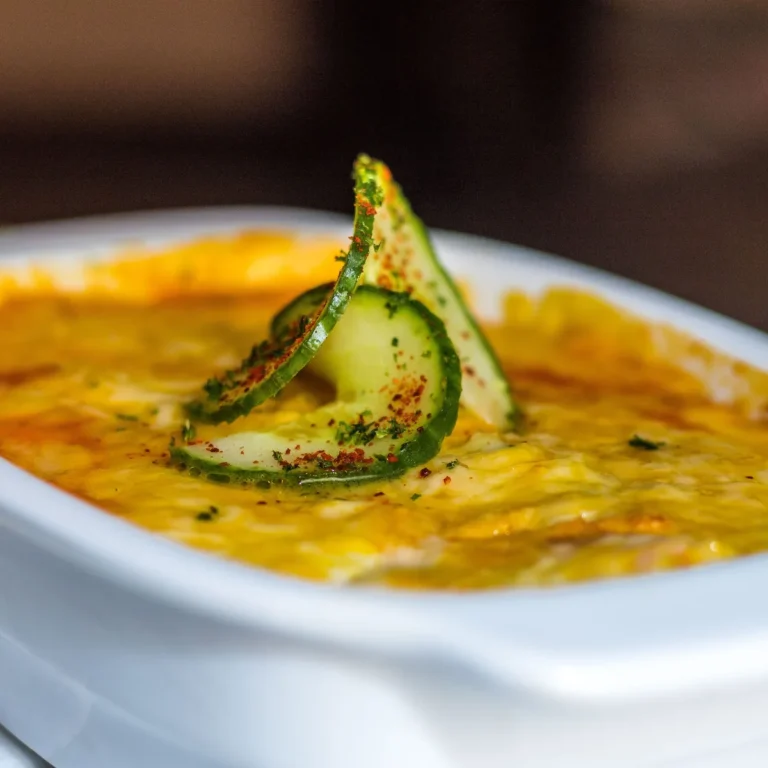
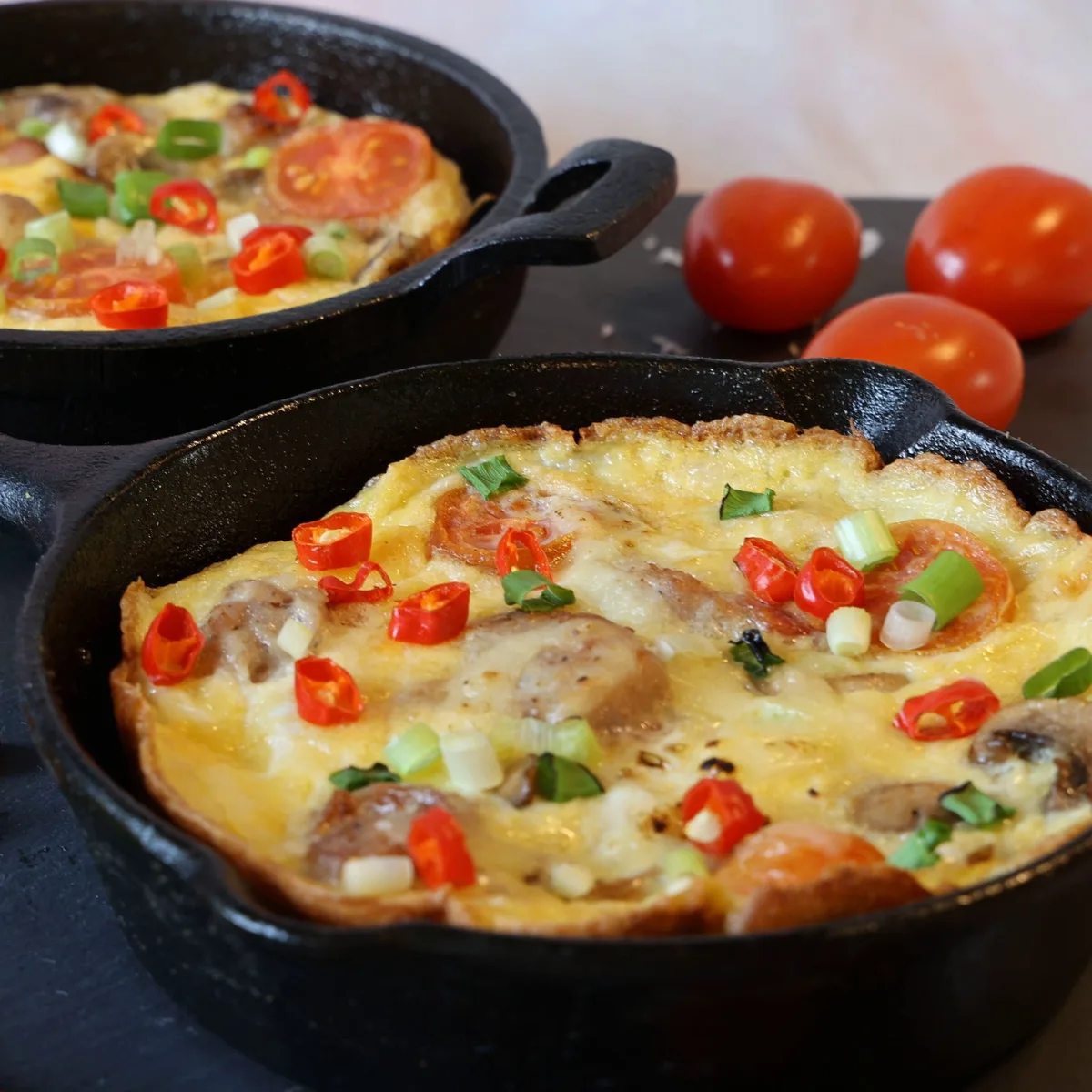
Diabetic crustless vegetable quiche is the workhorse of this section’s breakfast bench: one pan on Sunday, six squares, and the week’s first meal solved through Friday, eaten warm or honestly good cold. Quiche was only ever complicated because of its crust, and this version does not miss it. The custard sets on a trick worth stealing for everything, blended cottage cheese, and the card below carries USDA-calculated numbers with no surprises hiding in them.
Ingredients
Method
- Heat the oven to 350F and oil a 9 inch pie dish or 8 inch square pan.
- Saute the onion and bell pepper in the oil until soft and their moisture has cooked off, about 8 minutes. Wet vegetables are the crustless quiche’s only enemy.
- Squeeze the thawed spinach in a clean towel until it stops giving water, then squeeze again. Break it apart into the pan for a final minute.
- Blend the eggs, cottage cheese, salt and pepper until completely smooth, about 30 seconds.
- Layer the vegetables and most of the cheddar in the dish, pour the egg blend over, and scatter the last cheddar on top.
- Bake 35 to 40 minutes, until the edges are golden and the center barely jiggles when nudged. Rest 10 minutes before cutting into six.
Why This Recipe Works
- Blended cottage cheese sets custardy where milk sets watery. Thirty blender seconds turns the curds into a smooth, protein-dense base that bakes silky and holds a clean slice.
- Every vegetable arrives pre-dried. The peppers and onion saute until their water is gone and the spinach gets the two-squeeze treatment, so the bake sets instead of weeping.
- The jiggle test beats the timer. Edges golden, center barely trembling: carryover finishes it during the rest. A quiche baked until the center is firm is a quiche overbaked.
Ingredient Notes
The eggs and cottage cheese. Eight eggs and a cup of cottage cheese, blended completely smooth; the blender is not optional, stirred-in curds stay visible and the texture reads cottage cheese rather than custard. Full fat or low fat both work; the card counts the standard creamed entry, so recount if your tub differs.
The spinach. Frozen chopped spinach, the recipe’s best-value ingredient, and the site’s most repeated instruction applies at full strength: squeeze it in a towel until it stops giving water, then squeeze again. The difference between a set quiche and a wet one is measured in what that towel catches.
The vegetables. Bell pepper and onion as written, but this is a template: mushrooms dry-seared first, leftover roasted broccoli, the last of a charred cabbage all audition well. The one rule never changes: cooked and dry before they meet the eggs.
The cheddar. Four ounces, counted, most inside and some on top for the browned lid. Feta or Swiss swap by weight; recount the card.
The Method, In Short
The card carries the steps, and the shape is dry the vegetables, blend the base, layer, pour, bake gentle. The 350F oven is deliberately moderate: eggs set silky at gentle heat and rubbery at aggressive heat, and the extra minutes cost nothing on a Sunday. Pull it when the center barely jiggles, rest it ten minutes, and cut six squares.
The rest matters here for the same reason it matters at the lasagna: the interior finishes setting off the heat, and an early knife smears what a patient one slices.
Meal Prep, Storage and the Reheat
This recipe exists for the week ahead. The squares hold five days refrigerated in a sealed container, separated by parchment if stacked. Reheat a square sixty to ninety seconds at medium power, not full blast, or eat it cold, which is not a compromise; cold quiche with hot coffee is a legitimate breakfast tradition. It also packs into the lunch boxes on our diabetic lunch recipes page as the most schedule-proof protein in the file.
Freezing works square by square, wrapped, for a month; thaw overnight in the fridge. The texture returns a half step softer, which the toaster oven mostly recovers and the microwave does not.
Why the Cottage Cheese Base Sets Firmer
Blended cottage cheese carries more casein and less free water than milk or cream, and casein is the protein that coagulates with the eggs into a firm, sliceable custard. A milk custard is mostly water held loosely, so it sets softer and separates as that water leaks out over days in the fridge. Blending is what makes the difference work: unblended curds stay as visible pockets that never integrate into the set, while thirty seconds in the blender breaks them into a smooth suspension that bakes uniform. The squeezed spinach follows the same logic, since every gram of water pulled out is a gram that cannot loosen the set.
Three Variations and the Rule Each One Teaches
The template invites improvisation, and most improvisations work, but three are worth writing down because each teaches a rule. The Greek build swaps the cheddar for feta and adds a handful of halved cherry tomatoes, and the rule it teaches is that tomatoes go on top, never stirred in: buried, their pockets of juice stay wet in the set custard, while on the surface they roast and concentrate. The mushroom and Swiss build wants the mushrooms dry-seared alone until they squeak and brown before they join the pan, the same rule the whole section applies to mushrooms everywhere, because a raw mushroom is a sponge holding exactly the water this bake spends its whole method removing. And the leftover-roast build, which is the real reason this recipe earns Sunday space: whatever roasted vegetables dinner left behind, broccoli, peppers, that last cup of charred cabbage, go straight in with no further cooking, because the oven already did the drying days ago. Weigh what goes in when you swap and recount the card; the arithmetic moves with the vegetables, and the method never does.
FAQ
Can I make this in a muffin tin? Yes: same batter, twelve cups, about twenty minutes at 350F, done at the same barely-jiggling center. The minis reheat faster and freeze better; the pan version slices bigger and feels more like a meal.
Why is there no crust option? Because the crust was never the good part, and this section’s arithmetic policy would count every gram of it. The bake stands without it; the browned cheddar top does the textural work the pastry used to.
Does it taste like cottage cheese? Blended smooth, no. It tastes like a rich custard: the blender breaks the curds into a suspension fine enough that the grainy texture people associate with cottage cheese is gone. The blender is doing the diplomacy.
What if I only have fresh spinach? Wilt about a pound in a dry pan, cool it, then squeeze exactly as if it were thawed. The rule is about water, not about the freezer aisle.
Where to Go Next
The rest of the morning bench lives at diabetic breakfast recipes, the vegetarian file continues at diabetic vegetarian recipes, and the whole section starts from the diabetic recipes pillar.
Written by Frank Thomson, Skillet & Spoon editorial. Every nutrition figure on this site is calculated ingredient by ingredient from the USDA FoodData Central database, never estimated and never rounded to look better. We do not publish net-carb figures or use non-nutritive sweeteners. How we develop and source recipes is set out in our editorial policy.