13 Diabetic Shrimp Recipes, Most Under 25 Minutes
Diabetic shrimp recipes hold an advantage no other protein on this site can match: the distance between raw and dinner is measured in minutes, not hours. Shrimp is lean, takes seasoning instantly and cooks faster than the table gets set. It is also the easiest protein in the kitchen to overcook, because its window is ninety seconds a side and closing. This page is built around respecting that window, thirteen dinners deep, every card carrying USDA-calculated numbers.
The bag in the freezer is the real hero here. Frozen shrimp, thawed in a colander under cold water for ten minutes, is fresher than most “fresh” counter shrimp, which was previously frozen anyway and has been sitting thawed for days. Buy the bag, learn the thaw, and half this page becomes faster than delivery.
The Ninety Second Rule
Shrimp announces its own doneness. Raw, it is a gray translucent comma. Cooked, it is a pink opaque C. Overcooked, it curls into a tight O with the texture of an eraser, and the whole journey from C to O takes about one minute of inattention. Cook shrimp in a single layer in a hot pan, ninety seconds a side for large ones, and pull them the moment the flesh turns opaque; they finish in their own heat on the plate. When a recipe below has shrimp joining vegetables, the shrimp always goes in last, because everything else in the pan can wait and the shrimp cannot.
One prep note that pays: pat them truly dry. Wet shrimp steam gray in their own puddle instead of searing, and the difference is one paper towel.
Skillet Dinners, 15 to 25 Minutes
Garlic lime shrimp, 15 minutes. The reference recipe: dried shrimp, hot pan, garlic in the last thirty seconds so it toasts without burning, lime off the heat. Garlic added early burns bitter before the shrimp finishes; that sequencing is the entire recipe.
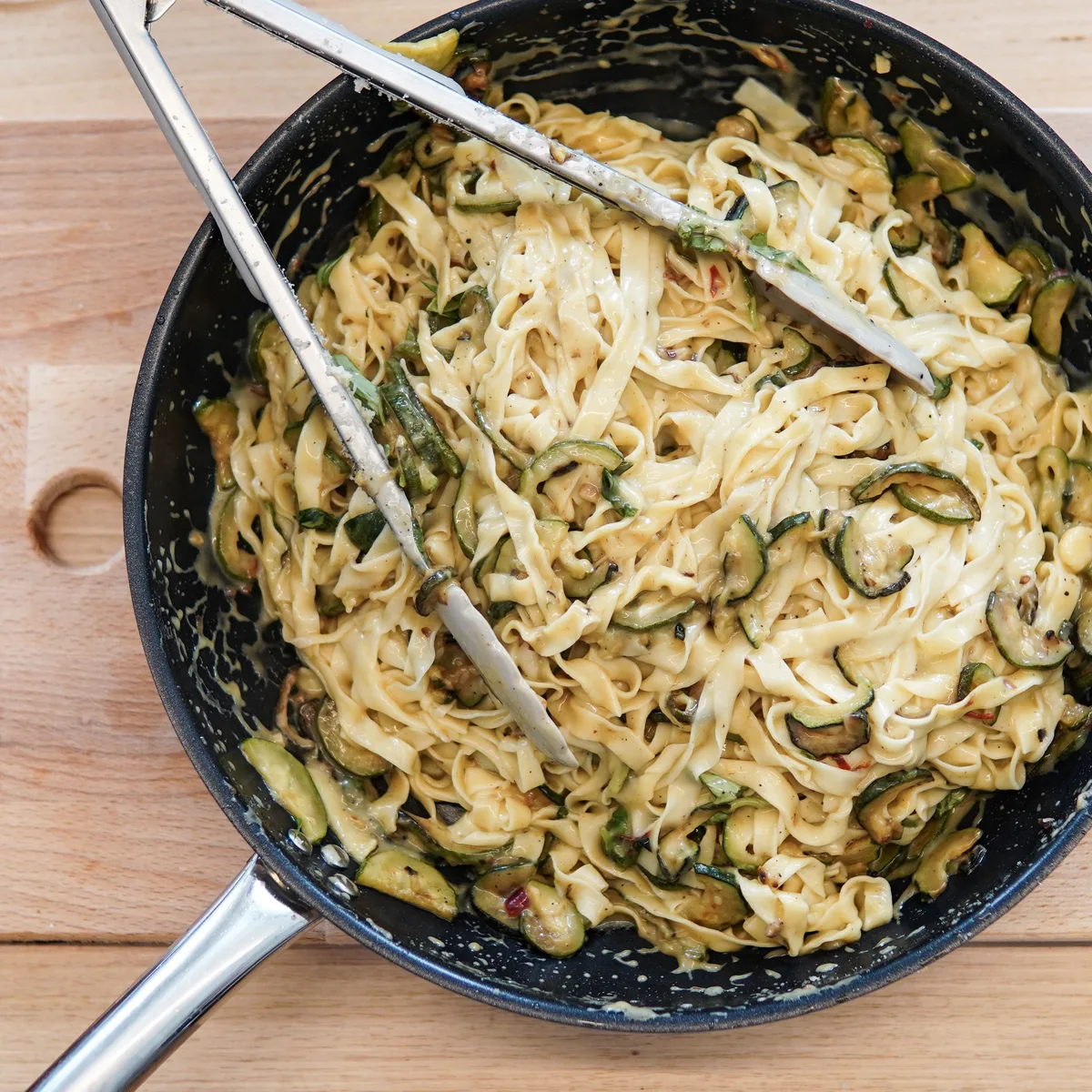
Shrimp and zucchini noodle scampi, 20 minutes. Scampi’s garlic butter logic over salted, squeezed zoodles, with a counted knob of butter and a splash of stock. The zoodles get ninety seconds in the pan, same discipline as the shrimp.
Blackened shrimp with charred cabbage, 20 minutes. Smoked paprika, oregano, garlic powder and cayenne pressed onto dry shrimp, seared hard, over cabbage charred in the same pan first. Blackening seasoning needs a dry surface and real heat; on a wet shrimp it turns to paste.
Shrimp fajita skillet, 25 minutes. Peppers and onions blistered first, cumin chili shrimp in last, served in warmed corn tortillas or over shredded lettuce, both counted on the card. The peppers want more color than feels polite before the shrimp enters.
Shrimp fried cauliflower rice, 20 minutes. Dry-toasted cauliflower rice, egg scrambled at the pan’s edge, scallion, soy, shrimp folded through at the end. The rice needs its three untouched minutes to toast or the dish reads steamed.
Coconut curry shrimp, 25 minutes. A counted pour of coconut milk, curry paste bloomed in it, green beans simmered tender, shrimp in for the final two minutes. The coconut milk is real and stated at its true values on the card; a modest pour carries the whole pan.
Oven and Sheet Pan
Sheet pan shrimp and broccoli, 20 minutes. Broccoli roasted alone at 450F for twelve minutes, shrimp added for the final five. The stagger is the recipe: on one timer, either the broccoli is pale or the shrimp is rubber.
Baked shrimp with tomatoes and feta, 30 minutes. Cherry tomatoes burst in the oven with garlic, shrimp nestled in, feta over, five more minutes. The tomatoes must fully collapse before the shrimp enters; their juice is the sauce.
Broiled old bay shrimp, 12 minutes. Shell-on shrimp under a hot broiler, three minutes a side. The shells shield the meat from the broiler’s violence and the peel-at-the-table mess is the point. Fastest hot dinner on this entire site.
Cold and Composed
Shrimp avocado salad, 15 minutes. Chilled poached shrimp, avocado, cucumber, red onion, lime and cilantro. Poach the shrimp in well salted water, two minutes off the boil, then straight into ice water; warm shrimp turns avocado to mud.
Shrimp cocktail, house version, 20 minutes. The same ice-shocked poach with a cocktail sauce of tomato paste, horseradish and lemon mixed in two minutes, skipping the bottled sauce’s sugar load. The horseradish is the honest heat, and the card counts the sauce by the spoon.
Shrimp lettuce wraps with ginger, 20 minutes. Chopped seared shrimp, water chestnuts, scallion and ginger in iceberg cups. Chop the shrimp after cooking, not before; minced raw shrimp overcooks into grit before it can brown.
Shrimp and white bean salad, 20 minutes. Warm seared shrimp over counted white beans with lemon, parsley and olive oil. Beans appear at their real values on the card, standing where croutons would have stood, and the warm-over-cool contrast is what makes the plate.
Reading the Bag
The freezer aisle prints its most useful fact in the smallest type: the count per pound. A bag marked with a count in the twenties holds large shrimp that suit every skillet build above; counts in the forties and up mean small shrimp for soups and salads where they ride rather than star. The marketing words “jumbo” and “colossal” float freely between brands, but the count is arithmetic and cannot lie.
Beyond the count, three bag rules. Buy shell-split and deveined unless the broiler build is the plan; the vein is harmless but gritty, and cleaning forty shrimp at the sink is how a fifteen minute dinner becomes forty. Check the ingredient line for sodium tripolyphosphate, a soaking agent that plumps shrimp with water they surrender straight into your hot pan; bags listing only shrimp and salt sear noticeably better and their weight is honest. And skip pre-cooked bags for anything except the cold salads, because cooked shrimp cannot survive a second cooking, only a warming.
Thaw in a colander under cold running water, ten minutes, never on the counter and never in the microwave, whose defrost setting cooks the thin ends while the centers stay ice. Blot dry, then cook within the hour; thawed shrimp waits poorly.
How the Numbers Work
Every card carries nutrition calculated ingredient by ingredient from USDA FoodData Central, source entries archived, per our editorial policy. Total carbohydrates and fiber are stated separately, never as a net figure. The coconut milk, the butter in the scampi and the beans in the salad are all counted in full, and where a build offers tortillas or lettuce as the vehicle, the card states both versions plainly.
Why the Paper Towel and the Stagger Matter
Two mechanisms carry this whole page. The first is the paper towel. A pan surface has to climb above the boiling point of water before it can brown anything, and surface moisture pins it at 212F until that water evaporates; shrimp arriving wet from the colander steam gray in their own puddle while the pan works to dry them, where blotted shrimp hit dry metal and sear. The second is the sheet pan stagger. Broccoli needs roughly twelve minutes at 450F to roast through, and shrimp need about five, so a single shared timer can only leave the broccoli pale or the shrimp rubbery. Staggering the two onto the same pan is what lets each cook for the time its own texture requires.
FAQ
Should I buy fresh or frozen shrimp? Frozen, almost always. Most counter shrimp arrived frozen and has been thawing on display since. A bag thawed ten minutes under cold running water in a colander is the fresher product and the better habit.
Peeled or shell-on? Peeled and deveined for every skillet build; the time saved is real. Shell-on earns its mess only under the broiler, where the shell is armor and flavor at once.
What size shrimp do these recipes assume? Large, the bags labeled twenty six to thirty per pound. Smaller shrimp cook faster still, so tighten the ninety seconds toward sixty and trust the C shape over the clock.
Can I use precooked shrimp? For the cold salads, yes, and they save the poaching step. In hot pans they only overcook; precooked shrimp added to a skillet should be warmed through in the final sixty seconds, never seared.
Which recipe first? Garlic lime shrimp. Fifteen minutes, five ingredients, and it installs the ninety second instinct that every other build on this page depends on.
Where to Go Next
The same fast-protein thinking runs through easy diabetic chicken breast recipes, the vegetable bases are covered in low carb diabetic chicken recipes, and the whole section starts at the diabetic recipes pillar. The worked single with the full USDA card is diabetic garlic lime shrimp.
Written by Frank Thomson, Skillet & Spoon editorial. Every nutrition figure on this site is calculated ingredient by ingredient from the USDA FoodData Central database, never estimated and never rounded to look better. We do not publish net-carb figures or use non-nutritive sweeteners. How we develop and source recipes is set out in our editorial policy.