High Protein Vegetarian Recipes: The Plant Route Done Right
High protein vegetarian recipes are entirely workable, and the two things that usually get in the way are one nutrition myth and one fixable technique. Plant protein is real protein, but it comes packaged differently from meat: more water, more carbohydrate and more bulk alongside the same grams, which simply means the portions are larger and a couple of habits change. This page covers the foods that carry plant protein, the two techniques that make them worth eating, the one nutrition myth worth dropping, and where the recipes already on this site fit. Every protein figure is pulled from USDA FoodData Central, the catalog this site uses for its recipe cards.
What This Page Does Not Do
It sets no protein target. How much protein you need is a question for a doctor or dietitian, not a recipe site, and that holds whether you eat meat or not. What this page does is show which plant foods carry protein and how to cook them so they are good.
The Myth Worth Dropping First
You do not need to combine specific plant proteins at the same meal to make them complete. The old idea that rice and beans must be eaten together to form a complete protein has been set aside: eating a variety of plant foods across the day covers the full set of amino acids on its own, because the body maintains a pool of them and does not need every one delivered in a single sitting. So build meals around what tastes good and is convenient, not around pairing rules.
The Densest Plant Proteins
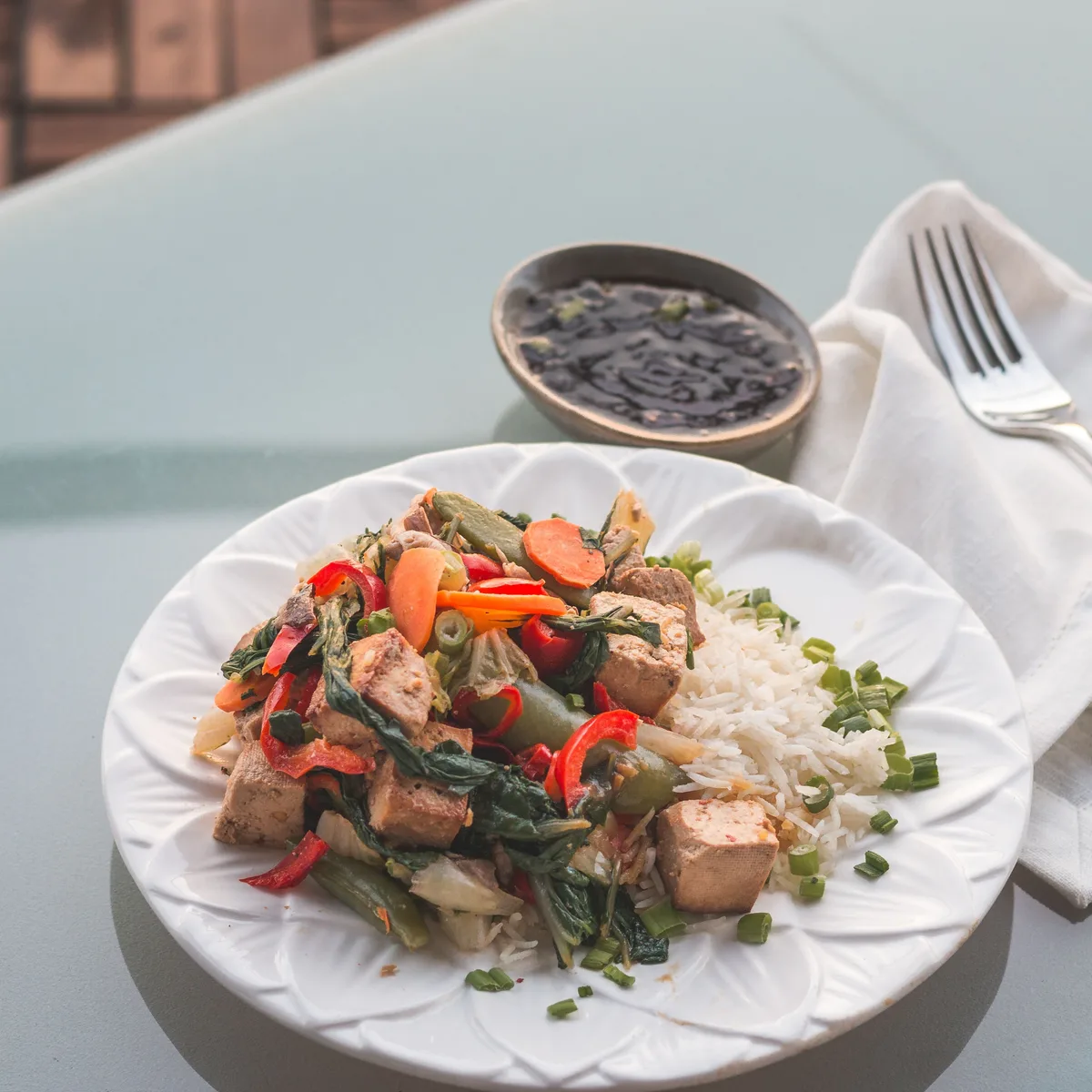
- Tofu is the densest common option, and it has one rule. Press it to remove water before cooking, because a wet surface steams in its own moisture and stays pale and soft, while a pressed surface can brown and firm. Firm or extra firm, pressed, then cooked hard. See braised tofu with edamame.
- Edamame is the easiest of all: frozen, needs only heat and salt, eats hot or cold, and brings solid protein with it.
- Seitan is wheat gluten, and it is high in protein precisely because it is the gluten washed free of the starch. It has a chewy, meat-like texture that comes from the gluten network, and it is the one plant protein to skip if you avoid wheat.
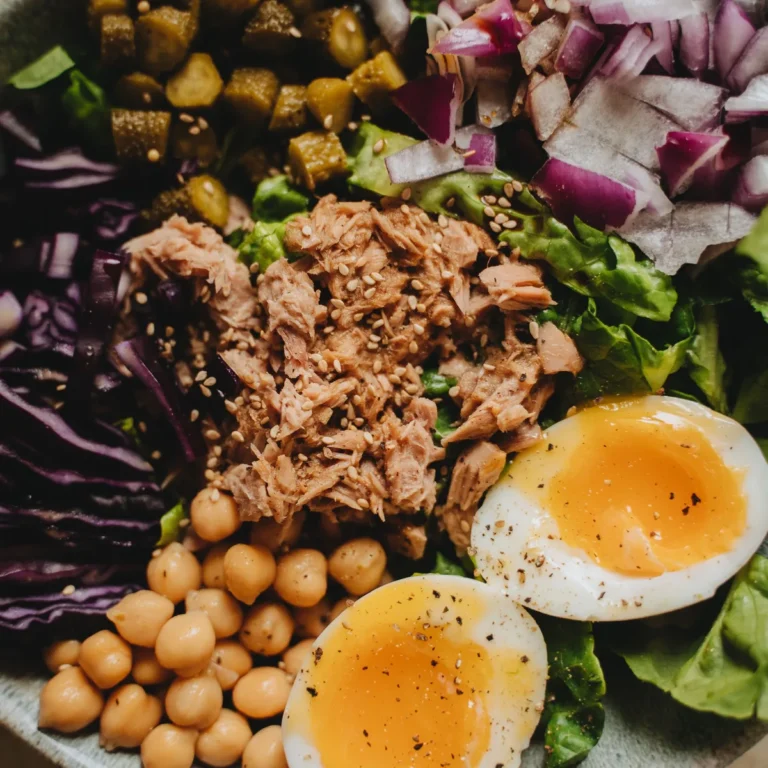
- Lentils and beans work in volume. Red lentils cook down fast enough for a weeknight and thicken whatever they are in, and canned beans bring fibre along with the protein.
Dairy And Eggs, For Those Who Eat Them
If your vegetarian diet includes dairy and eggs, the highest-protein-per-calorie foods are open to you, and they are the simplest route of all. Greek yogurt and cottage cheese lead the ratio; paneer and other firm cheeses hold up in a pan because their low moisture lets them brown rather than melt away; eggs anchor a meal in minutes. Builds on the site include bariatric egg bites, whipped cottage cheese and ricotta custard cups.
The Portion Adjustment
The real difference with plant protein is portion size. Because beans, lentils and grains carry carbohydrate and water alongside the protein, the same grams of protein come in a larger serving than they would from meat, and that is fine, it just means the plate looks different. It also means the grain on the plate should not be mistaken for the protein: grains are catalogued dry and carry about a third of that protein once cooked, so the protein still comes from the tofu, beans, lentils, dairy or eggs.
Vegetarian Builds On This Site
- Braised tofu with edamame is the plant anchor dish, pressed and browned with a second soy protein alongside.
- Vegetarian Mexican recipes cover the bean-and-cheese route in full.
- Mexican black bean recipes show beans used in real cupfuls, where they do the most work.
Nuts, Seeds And Nut Butters
Nuts and seeds carry real protein for a vegetarian plate, with the same caveat they carry for everyone: they are calorie-dense, so they work as a measured addition rather than a base. Peanut butter and almond butter stir into sauces and dressings and add body as well as protein. Pumpkin and sunflower seeds bring protein with less of the calorie load of tree nuts, and scattered over a bowl or salad they add crunch at the same time. Hemp seeds are among the higher-protein seeds and need no cooking at all.
Grains That Bring Some Protein
A few grains carry enough protein to pull their weight in a vegetarian meal, quinoa chief among them, along with farro and whole oats. They are still grains, so the protein is modest and, catalogued dry, it drops by about two thirds once cooked, which means they support a meal rather than anchor it. Paired with beans, lentils or dairy they round out a plate, but the main protein still belongs to the denser sources.
Meat Alternatives, Read The Label
The chiller is full of plant-based burgers, grounds and sausages, and they vary widely. Some are mostly pea or soy protein and carry a genuinely high number, while others are built around oil and starch with a modest protein figure and a long additive list. The honest approach is to read the label and compare it against whole-food tofu, beans and lentils, which deliver the same protein with nothing added. A product earns its place when the label holds up, not because it is shaped like meat.
How To Lift A Vegetarian Meal You Already Cook
- Add a second plant protein. Beans into a grain dish, edamame into a stir-fry, lentils into a sauce. Two modest sources beat leaning on one.
- Use dairy as the lift, if you eat it. Greek yogurt in place of sour cream, cottage cheese blended into a sauce off the heat so it does not split.
- Press and brown the tofu, which is the single change that turns tofu from a food people tolerate into one they want.
Where The Numbers Come From
Protein figures come from exact USDA FoodData Central entries, and the full protein-per-100g table with the entry IDs is on the high protein meals guide. Plant sources sit lower on that table per gram than meat and dairy, which is the portion point made in numbers rather than words.
FAQ
Do I need to combine beans and rice to get complete protein? No. Eating a variety of plant foods across the day covers all the amino acids on its own, because the body keeps a pool of them. The idea that they must be paired at one meal has been set aside.
What is the highest-protein vegetarian food? Among plant foods, tofu, seitan, edamame and lentils lead. If your diet includes dairy and eggs, Greek yogurt, cottage cheese, paneer and eggs carry more protein for the calories than most plant sources.
Why does my tofu turn out soft and pale? It is wet. A wet surface steams in its own moisture and never browns, so press firm or extra-firm tofu to remove water first, then cook it hard.
Is seitan high in protein? Yes, because it is wheat gluten with the starch washed out, which concentrates the protein and gives the chewy texture. Avoid it if you do not eat wheat.
Why are vegetarian protein portions bigger? Plant foods carry carbohydrate and water alongside the protein, so the same grams of protein arrive in a larger serving. That is normal, and the grain on the plate is base, not the protein.
How much protein should I eat on a vegetarian diet? This site sets no target, because it depends on your body, your activity and your medical situation. Ask a doctor or a registered dietitian.
Where to Go Next
See the high protein meals index for the full table and cooking, and high protein snacks for plant snacks like edamame and dairy. The plant builds on the site are braised tofu with edamame, vegetarian Mexican recipes and Mexican black bean recipes.
Written by Frank Thomson, Skillet & Spoon editorial. Every nutrition figure on this site is calculated ingredient by ingredient from the USDA FoodData Central database, never estimated and never rounded to look better. We do not publish net-carb figures or use non-nutritive sweeteners. How we develop and source recipes is set out in our editorial policy.