Homemade Taco Seasoning (No Cornstarch, No Sugar)
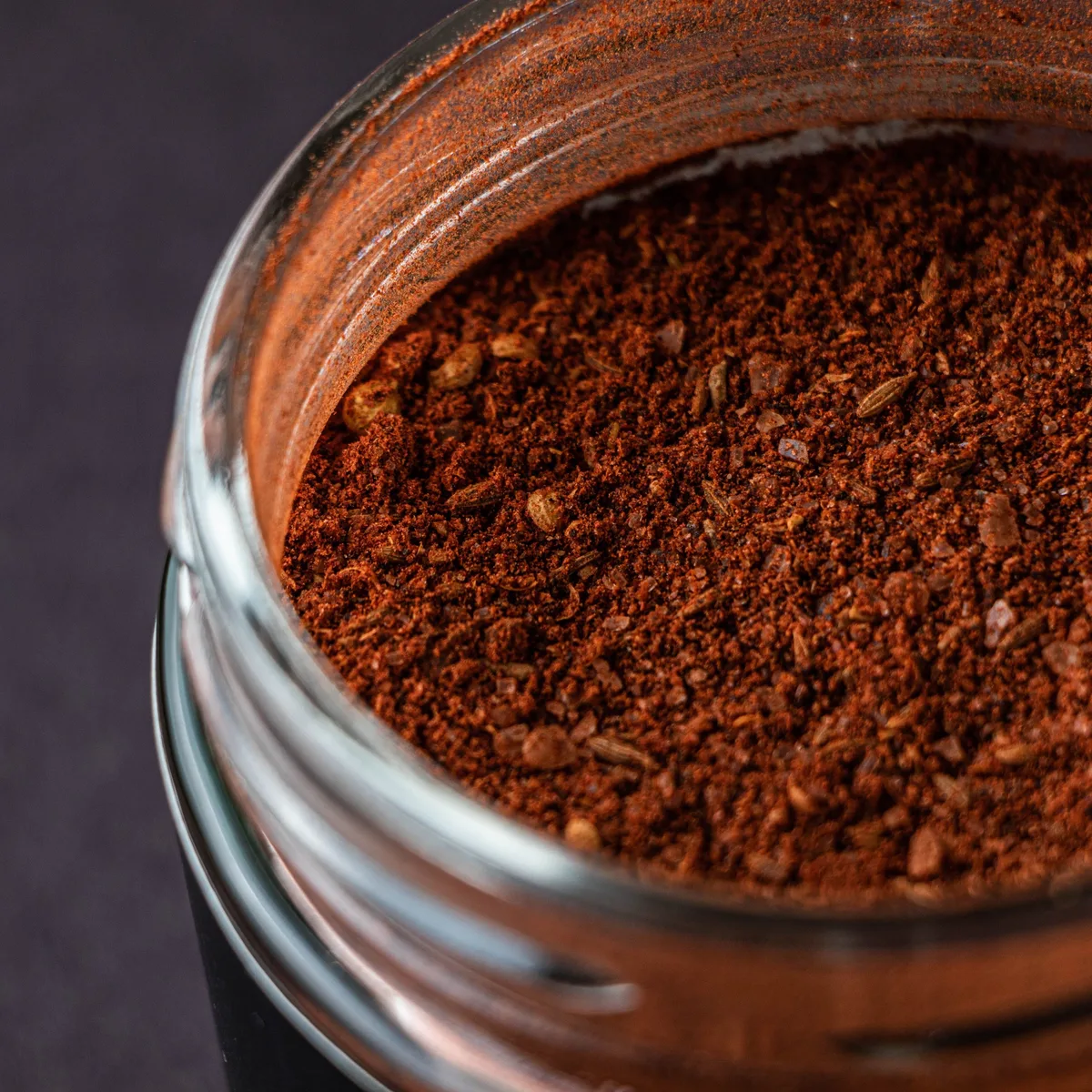
Taco seasoning is a blend of chili powder, cumin, paprika, garlic, onion, oregano and pepper, and making it yourself takes five minutes and one bowl. The reason to bother is not just cost: many packets list starch and salt among their first ingredients, and a homemade blend lets you decide how much salt goes in and leave the filler out. The recipe card carries the blend with USDA-calculated numbers per tablespoon; this page covers how to use it so it actually tastes of something.
Ingredients
Method
- Measure all the spices into a small bowl. Rub the dried oregano between your palms as it goes in, which breaks the leaves and releases their oils.
- Whisk thoroughly, pressing out any lumps of garlic or onion powder with the back of a spoon, until the colour is completely even.
- Transfer to a small airtight jar and keep it in a cool, dark cupboard.
- To use, brown 1 pound of ground meat, drain most of the fat, then add 2 tablespoons of the seasoning and stir it through the meat over the heat for about 30 seconds so the spices bloom in the remaining fat.
- Add about 1/2 cup of water or broth and simmer 4 to 5 minutes, until the liquid has reduced and coats the meat.
What Taco Seasoning Is, Honestly
This is an American pantry blend, not a traditional Mexican ingredient. Cooks in Mexico season a filling with whole or ground chiles, garlic, onion and herbs chosen for that dish, rather than a single all-purpose mix. Taco seasoning is the Tex-Mex and American home-kitchen shortcut that packs those same flavours into one jar, and it is very good at its job, which is ground beef tacos on a weeknight. It is labelled here for what it is.
Why This Recipe Works
- Chili powder is already a blend, so it leads. American chili powder is itself ground dried chile mixed with cumin, garlic and oregano. Using it as the base means half the balancing has been done for you, and the other spices sharpen it rather than build it from nothing.
- Salt is on its own line so you control it. When salt is already mixed into a blend, it means you cannot season the meat to taste without over-salting it. Here salt is measured separately and marked optional. Leave it out of the jar and salt the pan instead, and the same blend works for a low-sodium household and a normal one.
- Blooming in fat is the step that makes it taste finished. Most of the flavour compounds in ground spices dissolve in fat far better than in water. Stirring the seasoning into the browned meat and its remaining fat for thirty seconds before any liquid goes in pulls those compounds out and spreads them through the meat. Add the spice straight into water instead and it tastes raw and dusty.
Ingredient Notes
Chili powder. Use American-style chili powder, the red blend sold under that name, not pure ground chile such as ancho or cayenne. Pure chile powders are far more concentrated, and four tablespoons of cayenne would be inedible. If you want more depth, swap one tablespoon of the chili powder for pure ancho powder.
Smoked paprika. This adds a smoky note without any added smoke flavouring. Sweet paprika works if that is what you have, and the blend just loses its smoke.
Garlic and onion powder. Both clump in humid kitchens because they absorb moisture from the air. Press the lumps out when you mix, and store the jar tightly closed.
Oregano. Mexican oregano, if you can find it, is more citrusy and less minty than the Mediterranean kind and suits this blend better. Either works.
What is not in it. No cornstarch, no flour and no sugar. Store-bought chili powder can itself contain salt or an anti-caking agent, so check its label if that matters to you. Cornstarch in a packet exists to thicken the pan liquid into a sauce. You get the same result here by reducing the liquid for a few minutes, which concentrates flavour instead of diluting it with starch.
How Much to Use
Two tablespoons per pound of ground meat is the working ratio, which is roughly what one commercial packet provides. The card counts one tablespoon as a serving so you can see what a typical amount of seasoning contributes; for tacos made with a pound of meat that feeds four, each person gets about half a tablespoon.
For chicken or vegetables, start with one and a half tablespoons per pound, since both are milder than beef and easier to overpower. For beans, a tablespoon per can is plenty.
Using It Beyond Tacos
The blend is a general Tex-Mex seasoning. Rub it on chicken thighs before roasting, stir a spoonful into sour cream for a dip, toss it with oil and chickpeas before baking, or season the beef for a skillet dinner from Mexican ground beef recipes. It is also the seasoning behind a lot of the dishes in Mexican casserole recipes, where a jar on the shelf saves buying a packet for every bake.
Storage and Shelf Life
Kept airtight, away from light and heat, the blend stays good for about six months. Ground spices do not spoil in that time, they fade: their aromatic oils slowly evaporate and oxidise, so the blend gets weaker rather than unsafe. The check is simple and you can run it yourself. Rub a pinch between your fingers and smell it. If the aroma is faint, the blend is past its best, and you will need more of it to get the same result. Storing it above the stove is the fastest way to age it, because heat speeds that loss up.
FAQ
How much homemade taco seasoning equals one packet? About two tablespoons, which is the right amount for one pound of ground meat.
Why does my homemade taco meat taste bland or dusty? Usually the spices went straight into water. Stir the seasoning into the browned meat and its remaining fat for about thirty seconds first, so the flavour compounds dissolve into the fat, then add the liquid.
Can I make it without salt? Yes. Leave the salt out of the jar and season the pan to taste instead. The blend is designed with salt on its own line for exactly that reason.
How do I make it spicier? Add a quarter to half a teaspoon of cayenne or a teaspoon of crushed red pepper to the whole batch. Taste a pinch of the finished blend on its own before adding more, because heat in a spice mix builds quickly.
Why is there no cornstarch? Cornstarch in commercial packets thickens the pan liquid. Simmering the liquid down for a few minutes does the same job and concentrates the flavour instead of diluting it.
Is taco seasoning Mexican? It is an American and Tex-Mex pantry blend. Traditional Mexican cooking seasons each filling with its own chiles, aromatics and herbs rather than a single mix.
Where to Go Next
Put the seasoned meat in a tortilla with pico de gallo and guacamole, cook the rest of the week from Mexican ground beef recipes, and find the whole library at easy Mexican recipes at home.
Written by Frank Thomson, Skillet & Spoon editorial. Every nutrition figure on this site is calculated ingredient by ingredient from the USDA FoodData Central database, never estimated and never rounded to look better. We do not publish net-carb figures or use non-nutritive sweeteners. How we develop and source recipes is set out in our editorial policy.