16 Mexican Chorizo Recipes for the Best Fat in Town
Mexican chorizo recipes are the highest flavor-per-minute cooking on this site, because the sausage arrives with its seasoning work already done. Chile, garlic, vinegar and spice are ground into the meat itself, and the vivid orange fat it renders is a finished sauce pretending to be a byproduct.
Two facts before the list. First, Mexican chorizo is the soft raw kind that must be cooked, not the firm cured Spanish sausage; they are different products and do not substitute. Second, that rendered fat is the point: potatoes, eggs, rice and beans cooked in it inherit the entire spice profile for free, and pouring it off is pouring out the recipe.
The Method: Rendering It Right
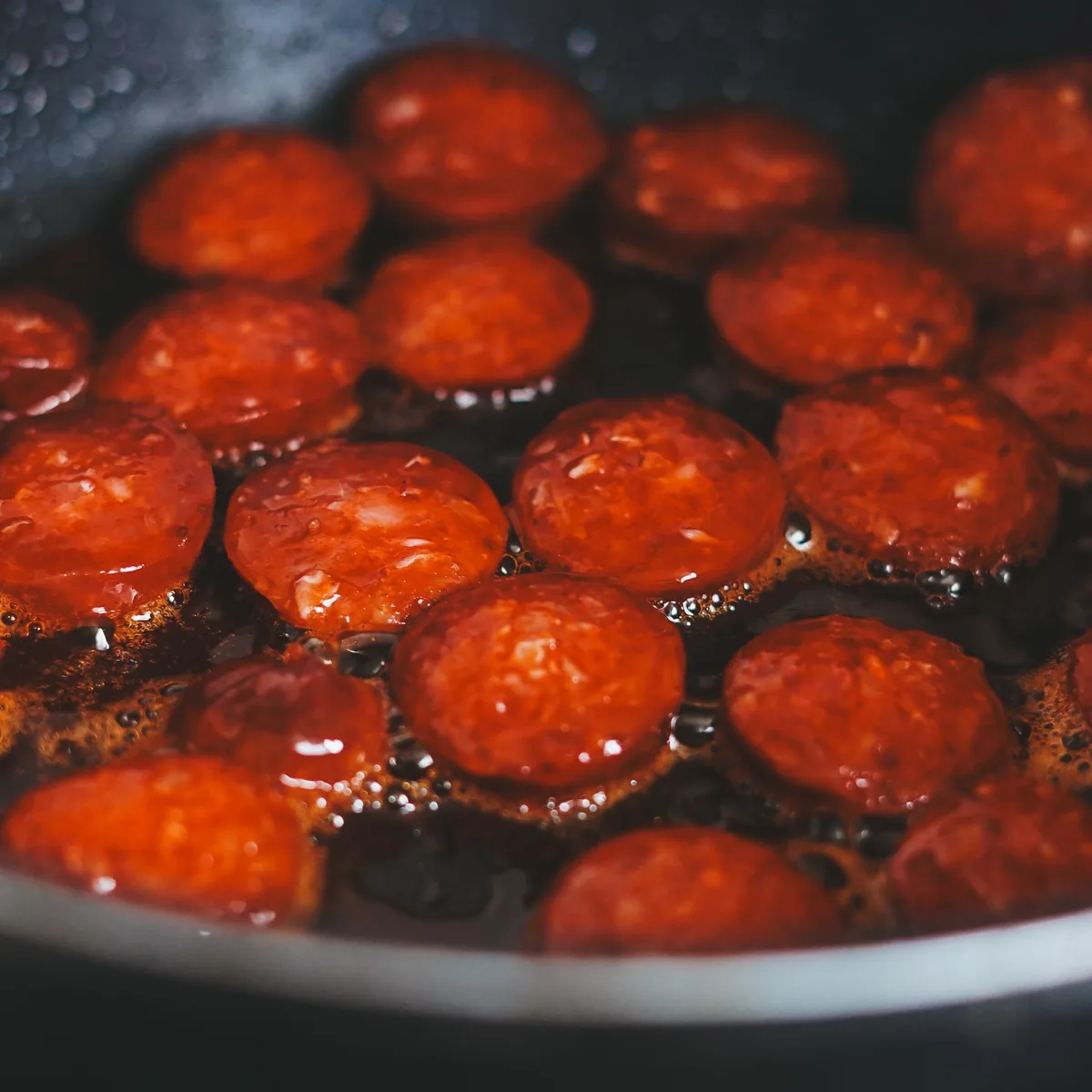
Squeeze the chorizo from its casing straight into a cold pan, then bring the heat up to medium. Starting cold renders the fat gently instead of scorching the spices, which burn easily because the sausage is loaded with ground chile. Break it into crumbles as it cooks, eight to ten minutes, until the meat has darkened and the fat runs freely and orange. Push the crumbles to one side and the pan is now two ingredients: seasoned meat and seasoned fat, ready to cook whatever comes next.
The Twenty Minute Classics
Chorizo and potato tacos, 25 minutes. Render, remove the crumbles, crisp diced potato in the fat, recombine. No added oil, ever; the pan has plenty. The simplest introduction to this sausage, as mexican pork recipes already argued.
Chorizo and eggs, 15 minutes. Render, pour off all but a spoonful of fat, scramble the eggs directly in. Breakfast, dinner, or the filling of the burritos below.
Choriqueso, 20 minutes. Browned chorizo under melted Oaxaca or jack, served molten in its skillet with tortillas. The fifteen minute window rule from the appetizer page applies in full.
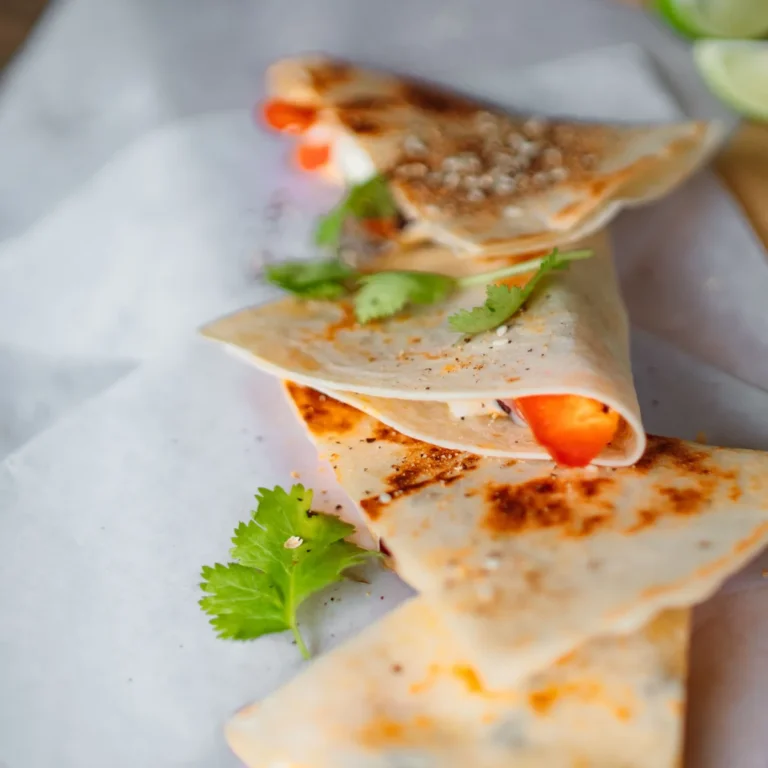
Chorizo quesadillas, 15 minutes. Crumbles and cheese, dry pan, medium heat. The crumbles must be fully cooked and drained a little, or the quesadilla drips orange down every wrist at the table.
Chorizo smashed onto tortillas, 20 minutes. The taqueria move: press raw chorizo thinly onto a tortilla, start it chorizo-side down on the comal, flip, cheese, fold. One pan, absurd reward.
Dinners That Lean on the Fat
Chorizo and squash skillet, 25 minutes. Render, brown salted squash in the fat, recombine with a fried egg on top. The full squash logic is in mexican squash recipes.
Chorizo rice, 35 minutes. Toast the rice in chorizo fat instead of plain oil, then cook as usual with the crumbles folded back at the end. The toasted-rice rule and this sausage were made for each other.
Frijoles puercos, 30 minutes. Refried beans enriched with chorizo, bacon and cheese, the party dip that is secretly a meal.
Chorizo and lentils, 40 minutes. The Spanish-sounding dish in its Mexican register: brown lentils simmered with rendered chorizo, tomato and cumin. Cheap, filling, freezes well.
Queso fundido dinner, 25 minutes. The appetizer scaled up over rice or wrapped in flour tortillas, plus a sharp slaw, becomes a legitimate dinner for three.
Chorizo-stuffed poblanos, 50 minutes. Charred, peeled poblanos filled with chorizo, potato and cheese, baked until bubbling.
Stretching and Substituting
The half-and-half rule. Half chorizo, half plain ground pork or beef browned together reads as fully seasoned everywhere it lands, at half the intensity and cost. It is the quiet trick behind feeding a crowd tacos, and it also tames chorizo for palates that find it loud.
Chorizo as seasoning. A quarter pound rendered into a pot of beans, a soup, or a pan of roasted potatoes acts as spice paste plus fat, the same job bacon does in southern cooking but with more to say.
Soy chorizo. The widely available soy version renders no fat but is seasoned like the pork sausage, so it holds up in tacos, eggs and quesadillas. Add two tablespoons of oil to compensate for the missing fat; in dishes that depend on the rendered fat itself, the potato taco above, it cannot follow.
Make Your Own, Once
Homemade chorizo is a fifteen minute mix and a revelation: two pounds of ground pork, four tablespoons of ancho powder, one of smoked paprika, five minced garlic cloves, two teaspoons of oregano, one of cumin, a half teaspoon of cinnamon, two tablespoons of vinegar and a serious three teaspoons of salt. Rest it overnight for the flavors to marry, then cook as any chorizo. It freezes in half-pound flats for three months, costs less than packaged, and lets you control the salt and heat completely. Once you have made it, the packaged tube becomes the backup, not the default.
The Two-Dinner Pound
One pound of chorizo, planned deliberately, covers two different dinners without repeating itself, and the split is worth writing down. Sunday: render the full pound, use half for chorizo and potato tacos, and refrigerate the other half in its fat. Wednesday: that reserved half, already cooked, reheats in two minutes and becomes choriqueso, chorizo rice or the egg scramble, with the stored fat starting the pan. The rendered-and-stored half is actually more useful than raw chorizo midweek, because the ten minute rendering step is already paid for on the night you had the least time.
The same logic scales up for hosting: render two pounds on Saturday morning, and the party’s queso fundido, the frijoles puercos and Sunday’s breakfast all draw from one pan’s work. Chorizo is the rare ingredient where batch-cooking improves every downstream dish instead of compromising it, because reheated crumbles crisp further rather than drying out. Treat rendering as a pantry operation, not a per-recipe chore, and this sausage becomes the fastest weeknight lever in the refrigerator.
Why Cold Start Matters
Chorizo is pre-loaded with the ground chile and spice that most recipes bloom carefully in a little oil. Those spices scorch on contact with hot metal and turn bitter, the same way loose spices burn in a pan that is too hot before they hit the fat. Starting the sausage in a cold pan and bringing the heat up gradually renders the fat before the surface gets hot enough to burn the chile, which is why the fat runs clean and vivid orange instead of going dark and acrid. Treat the whole sausage the way you would treat those spices.
FAQ
What is the difference between Mexican and Spanish chorizo? Mexican is fresh, soft and raw, seasoned with chile and vinegar, and must be cooked through. Spanish is cured, firm and sliceable, smoked-paprika flavored, ready to eat. Recipes on this page mean the first, always.
Do I eat the casing? On most supermarket brands, no; it is packaging. Squeeze the sausage out and discard it. Butcher-made chorizo in natural casing can be cooked as links if you prefer.
Why is my chorizo greasy and loose instead of crumbly? Some inexpensive brands are heavily fat-and-filler; render longer and pour off the excess, or switch brands once and compare. Good chorizo crumbles; bad chorizo dissolves.
How long does it keep? Raw, use by the package date or freeze up to three months, sliced into portions while frozen as needed. Cooked crumbles keep four days refrigerated and reheat in any pan in two minutes, which makes a rendered batch on Sunday a standing upgrade for the entire week of cooking that follows it.
Is chorizo spicy? Warm more than hot, in most commercial versions. The heat reads bigger than it is because of the vinegar tang. The half-and-half rule dials it down; your own homemade blend dials it anywhere.
Beef chorizo or pork chorizo? Both are traditional in different regions and both work in every recipe here. Pork renders more of the useful fat; beef runs slightly leaner and a touch more mineral. If your market carries both, the honest answer is to try each in the potato tacos once and let the pan decide your loyalty.
Where to Go Next
The rest of the pork canon, carnitas and its crispy edges included, is in mexican pork recipes. The breakfasts this sausage was born for are in mexican breakfast recipes, and the whole collection starts at easy mexican recipes at home.
Written by Frank Thomson, Skillet & Spoon editorial. Every nutrition figure on this site is calculated ingredient by ingredient from the USDA FoodData Central database, never estimated and never rounded to look better. We do not publish net-carb figures or use non-nutritive sweeteners. How we develop and source recipes is set out in our editorial policy.