Diabetic Family One-Pot Dinners (Cook Once for Everyone)
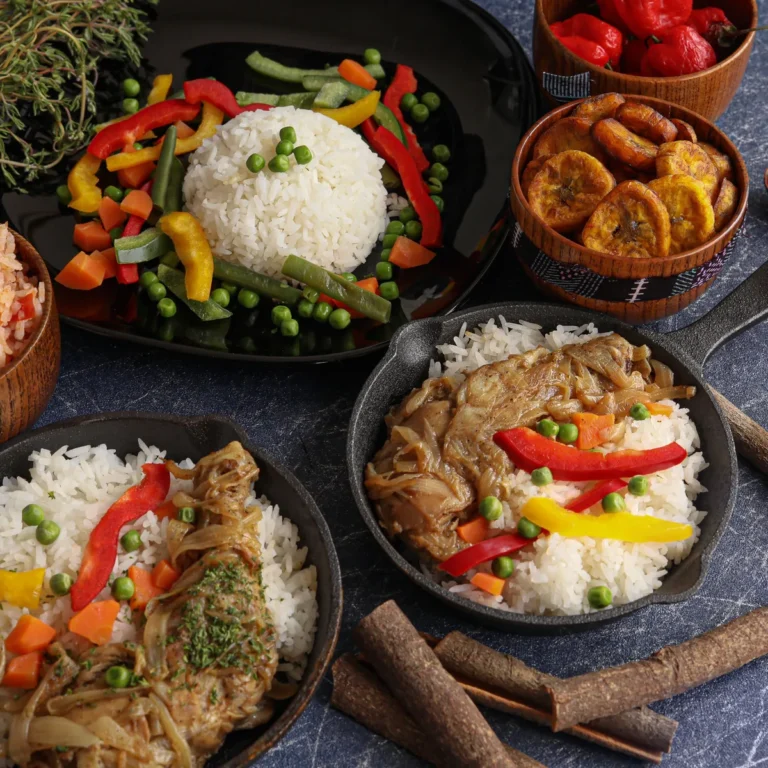
Diabetic family one-pot dinners solve the nightly negotiation with one move: build a single savory base everyone eats, then add the rice, pasta or potatoes on the side only for the people who want them. The person watching carbohydrate keeps the base as it is, the rest of the table piles a starch next to it, and nobody cooks two dinners. One pan, one cleanup, one meal the whole family sits down to together.
Every dinner below is grouped by the pan it lives in, from skillet to sheet pan to slow cooker. Scroll to the vessel you feel like using tonight. The carbohydrate counts that matter live on each linked recipe card, calculated ingredient by ingredient from USDA data, so you can judge fit for your own plate rather than take a roundup’s word for it.
The One-Base Strategy
The whole idea rests on a simple split: cook the flavorful, protein-and-vegetable base in one pot, and cook the starch separately so it can be added by the spoonful, per person, at the table. A bolognese simmered over zucchini ribbons for you is the same bolognese ladled over spaghetti for a teenager. The base never touches the pasta water, so it works both ways from one pot.
This works because a one-pot dinner stays lower in carbohydrate when the starch is capped and fiber-rich beans and vegetables carry the bulk instead. Swap half the expected rice for cauliflower, or let cabbage, peppers and mushrooms fill the bowl, and the pan is still full and satisfying while the carbohydrate load sits mostly in the side you control.
Brown the protein first, before any liquid goes in. The Maillard reaction, the browning that happens when meat hits a hot dry pan, builds a deep savory layer that means you can lean on far less salt for the same big flavor. Skip the browning and you spend the rest of the recipe trying to season your way back to it.
Skillet Dinners
The skillet is the fastest route to a one-base dinner, because everything browns, simmers and finishes in the same pan.
Weeknight bolognese over vegetables or pasta. Brown lean ground beef or turkey hard and undisturbed for the first few minutes so it crusts rather than steams, then build a tomato and vegetable sauce right on top of it. Serve yours over sauteed zucchini ribbons or a small scoop of white beans, and spoon the rest over spaghetti for everyone else. Grated carrot and finely diced mushroom stretch the sauce and add body without a starch. For a full pan built the same way, see our diabetic ground beef recipes.
Taco skillet everyone builds their own way. Cook seasoned ground beef or chicken with peppers, onion and black beans until the liquid cooks down and clings. Set out warm tortillas and rice for the table while you take yours over shredded lettuce or into a bowl with extra beans. Draining most but not all of the fat leaves enough for the spices to stick to, which is where the flavor actually lives.
Sheet-Pan Dinners
A sheet pan is a one-pot dinner that happens to be flat, and it is the lowest-effort way to feed a crowd.
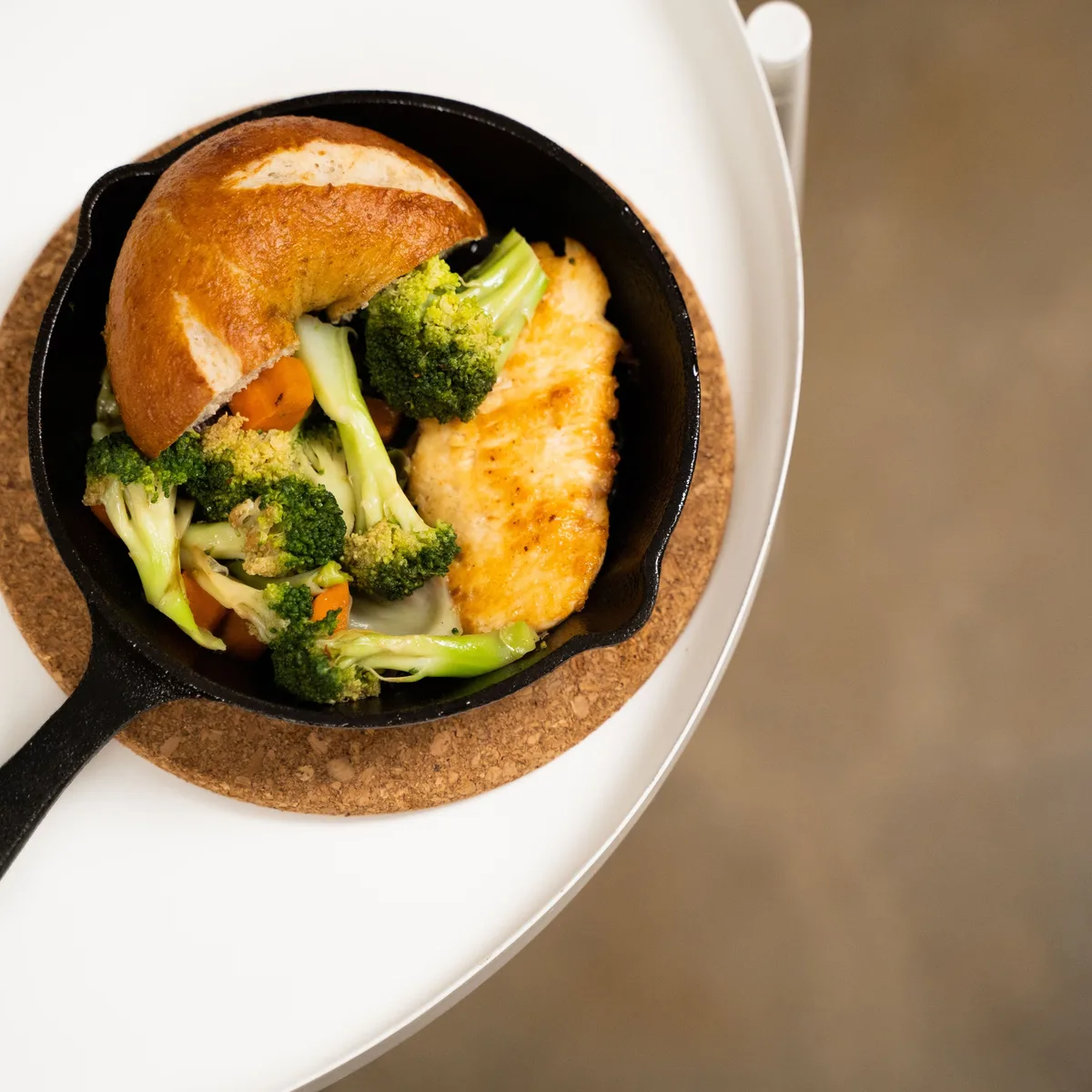
Sheet-pan chicken and vegetables. Toss chicken thighs and a mix of broccoli, peppers and red onion with oil and spice, spread them out, and roast. The one rule that decides everything is spacing: crowd the pan and the food steams in its own moisture and turns gray, give each piece room and the dry oven heat browns the edges. Add roasted baby potatoes to one corner for the starch eaters and keep your half potato-free.
Fajita bowls off one tray. Strips of chicken or steak with sliced peppers and onion, roasted hot until the edges char, then split at the table into bowls with rice or into lettuce cups and cauliflower rice. A squeeze of lime over the tray at the end brightens the whole thing without a grain of sugar, since acid wakes up a savory dish the way sweetness does elsewhere.
Stir-Fry Night
A stir-fry is one pan, a few minutes, and total control over what the sauce is thickened with.
Chicken and cabbage stir-fry. Cook the protein and vegetables over high heat in small batches so the pan stays hot and the food sears instead of stewing in released water. Browned cabbage holds a savory sauce far better than raw cabbage, which just weeps liquid into the pan. Serve yours as is and give the rest of the table rice or noodles alongside. Our diabetic chicken cabbage stir fry walks through the high-heat method in full.
Soups, Stews and Chili
A pot of something brothy is the friendliest one-base dinner there is, because the ladle does the portioning and the carbohydrate rides in the sides.
Turkey and bean chili. Brown the turkey, bloom the spices in the fat, then let beans, tomato and peppers simmer into a thick pot that only improves overnight. Beans and their soluble fiber give the chili real body, so a modest bowl eats like a full meal. Set out rice, cornbread or tortilla chips for the table and take yours topped with avocado, Greek yogurt and a handful of cheese. The full method is in our diabetic turkey chili.
Lentil and vegetable stew. Brown lentils hold their shape through a long simmer instead of collapsing, which gives a meatless stew structure. Build it on onion, carrot, celery and tomato, finish with a squeeze of lemon, and offer crusty bread or rice on the side for anyone who wants it.
The Slow Cooker
The slow cooker turns the one-base strategy into a set-and-forget dinner, and it forgives a busy afternoon.
Braised chicken thighs with vegetables. Layer thighs over peppers, onion, mushroom and tomato and let the pot do the work all day. The one adjustment that matters: cut the liquid you would normally add by about a third, because nothing evaporates under a sealed lid and a full pour leaves you with soup instead of a braise. Shred the chicken back into the sauce, serve yours over sauteed greens, and ladle the rest over rice or mashed potato for the table. More options live in our diabetic slow cooker recipes.
Adding the Carb for Everyone Else
The side is where the flexibility lives, so cook it in its own pot and let each person take what suits them. Rice, pasta and potatoes all reheat well, which means one weekend batch covers several weeknights of starch eaters without touching the base.
Keep the sides simple and separate: a pot of brown or white rice, a pan of pasta cooked just to al dente so it holds up as leftovers, or roasted potatoes finished crisp. Whole grain versions and beans bring more fiber to the plate for anyone who wants it. Because none of these ever go into the shared base, the person capping carbohydrate skips the side entirely and loses nothing off the main dish.
Batch Cooking and Leftovers
One-pot dinners are built for the second night. Chili, bolognese, braised chicken and stew all deepen in flavor after a day in the fridge as the spices settle, so a double batch on Sunday quietly funds two or three midweek dinners.
Store the base and the starch in separate containers. Kept apart, the base reheats without turning the pasta to mush and the rice does not soak up all the sauce, so Tuesday’s bowl looks like it was cooked fresh. Freeze the soups and chilis flat in bags for the weeks the calendar gets loud.
FAQ
How do diabetic family one-pot dinners work for the whole table? You cook one savory base of protein and vegetables that everyone eats, and you cook the starch separately. The person watching carbohydrate keeps the base as it is or adds a low-carb side like cauliflower rice, while the rest of the table adds rice, pasta or potatoes. One pot feeds everyone without two separate dinners.
Do I have to cook two different meals? No, that is the entire point of the one-base method. The base is shared. Only the side dish changes from plate to plate, and the side is a separate pot anyone can take from or skip.
How do I keep the base lower in carbohydrate? Cap the starch inside the base and let fiber-rich beans and vegetables carry the bulk. Cabbage, peppers, mushrooms, zucchini and beans fill the pan, and the rice or pasta stays on the side rather than cooked into the dish.
Which one-pot dinners freeze best for leftovers? Soups, stews, chili and bolognese all freeze and reheat well, and they taste better on day two as the spices settle. Freeze the base separately from any starch so the texture holds.
Are these recipes only for the person with diabetes? No. Every dinner here is ordinary family food built on vegetables, protein and technique. Nothing is medicalized. The American Diabetes Association’s general guidance at diabetes.org is the right place for questions about your own targets.
Closing
The best diabetic family one-pot dinners do not read as special at all: one good pan, a base everyone shares, and a side each person builds to suit. Pick a vessel, cook the base once, and let the starch sort itself out plate by plate. For the full collection this list belongs to, browse our diabetic recipes pillar, where every card carries USDA-calculated nutrition.
Written by Frank Thomson, Skillet & Spoon editorial. Every nutrition figure on this site is calculated ingredient by ingredient from the USDA FoodData Central database, never estimated and never rounded to look better. We do not publish net-carb figures or use non-nutritive sweeteners. How we develop and source recipes is set out in our editorial policy.