Bariatric Stage 2 Diet Recipes, Minus the Timeline
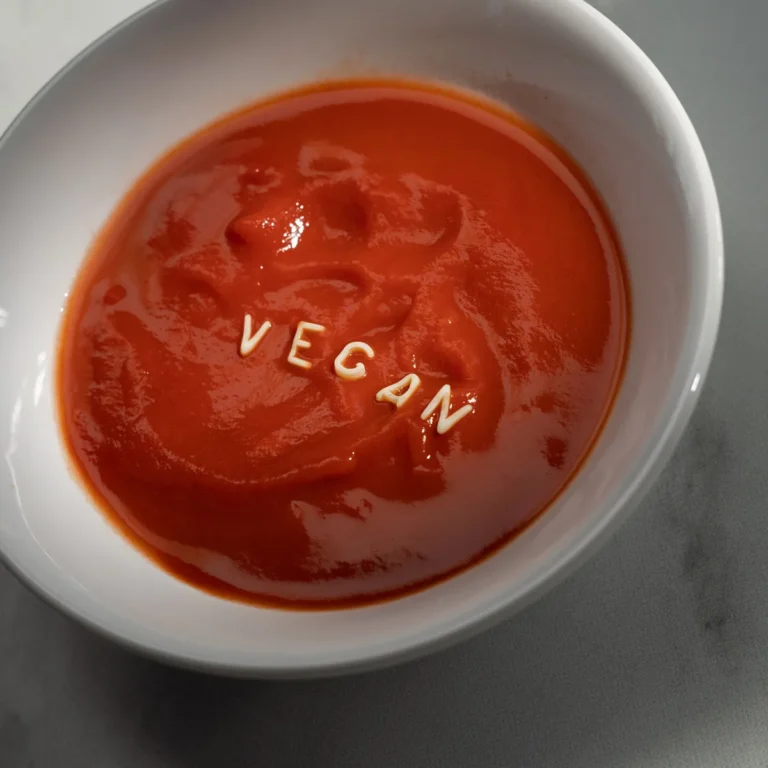
Bariatric stage 2 diet recipes is a search built on a number, so this page starts by being honest about the number. Stage systems are program-specific: what one program calls stage 2 another numbers differently, defines differently and schedules differently, which is exactly why this site attaches no calendars and no clearances to any of it. What the search reliably means in the kitchen is smooth food, blended and pureed textures, and that this page can serve completely, because smooth is a cooking category with real technique and real recipes behind it.
So here is the honest division of labor. Your program tells you when, for how long and what is cleared, with its own food list outranking every page on this site. We tell you how to cook the texture so it tastes like food instead of like a chore. Both halves matter; only one of them is ours.
What Your Program Owns
Three things belong entirely to your surgical team, stated once so the rest of the page can be about cooking. The definition: which textures and foods your program’s stage 2 actually includes, because the label varies between programs. The schedule: when it starts for you and when it ends, decisions made with your chart, not with a search engine. And the clearances: whether any specific food fits you right now, including every recipe named below. If your program handed you a food list, that list wins wherever it and this page differ. The patient resources at asmbs.org are the right companion reading, and the three-question checklist on our recipes for pureed stage of bariatric surgery page is worth taking to your next appointment.
What the Kitchen Owns: Smooth, Done Well
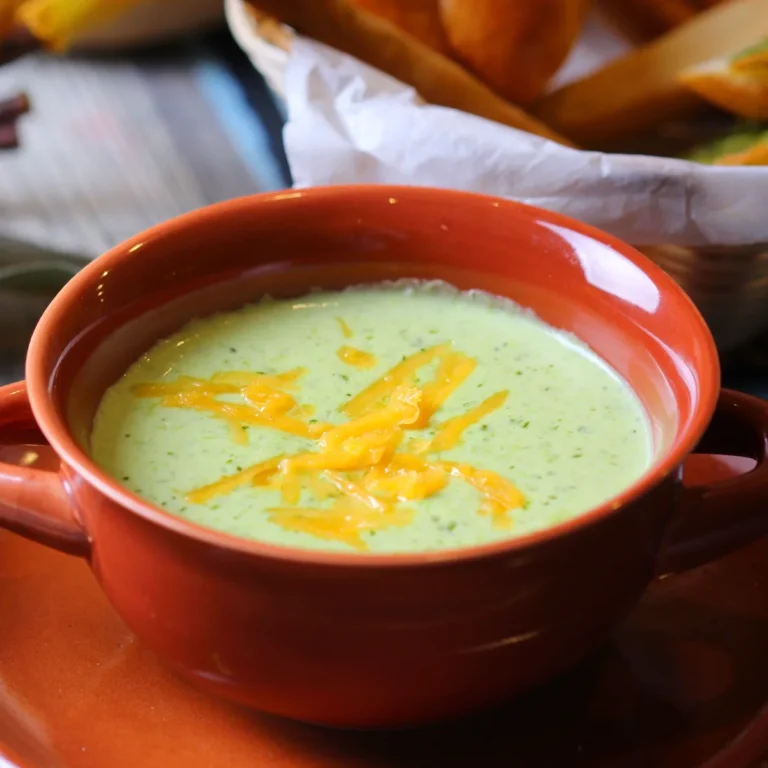
Smooth food succeeds or fails on technique, and the technique is learnable in an afternoon. The complete file lives at bariatric puree recipes; the five rules that matter most travel everywhere. Blend hot food in a half-full jar with the center cap off and a towel over the gap. Blend ninety seconds past when it looks done, because looks-smooth and feels-smooth are different standards. Season after blending, never before; the blades mute salt and acid. Finish savory builds with lemon or lime off the heat. And strain anything fibrous, thirty seconds that separates smooth from silky.
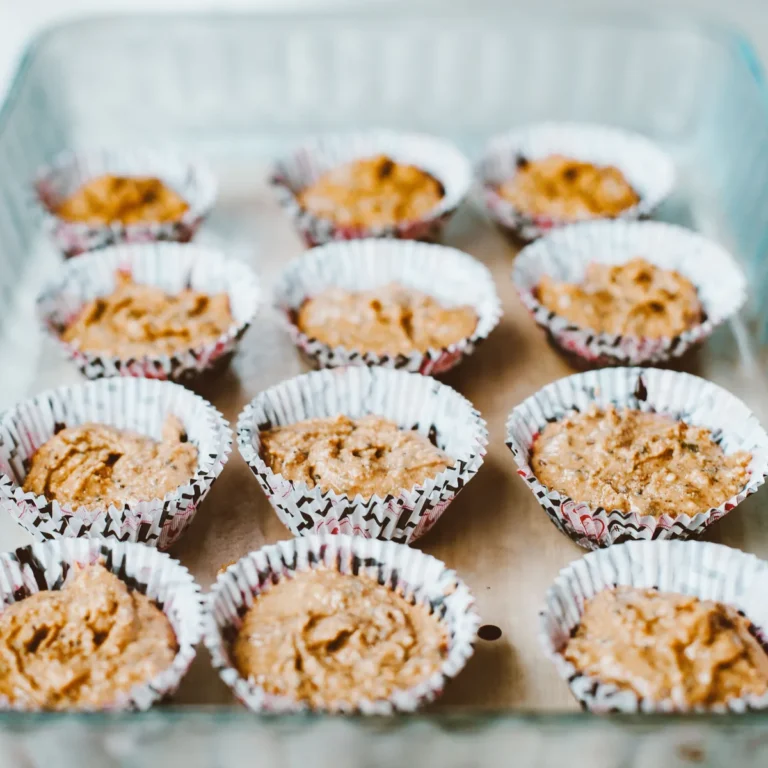
The protein-forward builds most worth cooking at this texture, each detailed on the pages above: blended chicken soup made with thighs, which blend rich where breast blends pasty. Red lentil puree with lemon, the pantry’s best protein-and-body deal. Whipped cottage cheese in both its savory and berry directions, the five minute recipe that blends the curds away. Ricotta custard cups from a gentle water bath. Blended turkey and tomato with the cumin bloomed first. White bean and garlic puree, the garlic cooked before it ever meets the blades. And on the sweeter side, real applesauce and the Greek yogurt berry smooth, both sieved, both honestly counted.
The Systems That Make It Livable
Texture chapters are won by logistics more than by recipes, and two systems carry this one. The first is the ice cube bank: every build above freezes in trays, bags flat once solid, and rewarms gently a cube or two at a time, which is how one cooking session becomes a week of varied bowls instead of four days of the same one. Label everything with a name and a date; the bank that saves you is the one you can read. The second is the small-session kitchen setup from our pureed-stage page: blender living on the counter, strainer staged beside it, small containers, tasting spoons by the stove. This chapter’s cooking is many short sessions, and kitchens tuned for short sessions are the ones that keep getting used.
Reheating has its own two rules: low heat with frequent stirring, or half microwave power in short bursts with stirs between, because blended food shows every hot spot. And re-taste every reheated bowl for salt and acid; the fridge mutes both and thirty seconds of adjustment restores them.
Two Mistakes That Make This Chapter Harder
Both are logistics, not cooking, and both are avoidable from day one. The first is cooking one giant batch of one thing. A stockpot of a single puree feels efficient and eats like a sentence; by the third bowl morale is gone, and morale is a real ingredient in this chapter. The fix is built into the recipes above: cook two or three smaller builds in one session, freeze them all in cubes, and let variety come from the freezer instead of from extra cooking. The second mistake is treating the texture as a punishment to be endured rather than food to be seasoned. A puree eaten lukewarm, underseasoned and straight from a storage container confirms every prejudice against the category; the same puree properly hot, finished with lemon and eaten from a bowl like the food it is costs ninety extra seconds. The cuisines that blend food on purpose take it seriously, and this chapter goes measurably better for the cooks who do the same. Neither mistake appears on any program’s handout, because they are not clinical problems; they are kitchen ones, which makes them the two this page can actually solve.
How the Numbers Work
Recipe cards in this section carry nutrition calculated ingredient by ingredient from USDA FoodData Central, protein stated per serving, sources archived, per our editorial policy. No portions, no daily targets, no schedules: those are your program’s numbers. The cards are the honest inputs.
FAQ
How long does stage 2 last? Your program’s answer, made with your chart in hand, and this page deliberately does not offer one. Programs number and schedule their stages differently, which is itself the reason to trust yours over any website’s version.
Are these recipes cleared for stage 2? No recipe page can clear food for you, and this one does not pretend to. The builds above are honestly smooth as written; whether smooth is your current assignment, and whether any specific food fits it, is your team’s call.
My program’s stage 2 list is stricter than this page. Which wins? Your program’s list, every time, without exception. This page is a cooking resource for a texture; your list is clinical guidance written for you.
What is the single best thing to cook first? Whipped cottage cheese, both directions, five minutes total. It proves the texture can taste like real food, and that proof is worth more than any other recipe at the start of this chapter.
Where to Go Next
The full smooth-texture technique file is at bariatric puree recipes, the protein-forward builds at recipes for pureed stage of bariatric surgery, and the section’s rules at the bariatric recipes pillar.
More recipes to try
Written by Frank Thomson, Skillet & Spoon editorial. Every nutrition figure on this site is calculated ingredient by ingredient from the USDA FoodData Central database, never estimated and never rounded to look better. We do not publish net-carb figures or use non-nutritive sweeteners. How we develop and source recipes is set out in our editorial policy.