15 Diabetic Ground Beef Recipes for Real Weeknights
Diabetic ground beef recipes are the workhorse file of this whole section, because ground beef is cheap, fast, freezer friendly and beloved by every table it lands on. The problem is that most recipes treat it as a flavor delivery system for white starch. The fifteen dinners below rebuild the category around vegetables that hold their own, beans counted honestly where they appear, and one non-negotiable skill: browning that actually browns.
Everything here starts from the same skillet and most of it lands inside forty minutes. The burger question is big enough that it gets its own page at diabetic hamburger recipes; this one covers everything else the package can do.
Browning Is a Decision, Not a Default
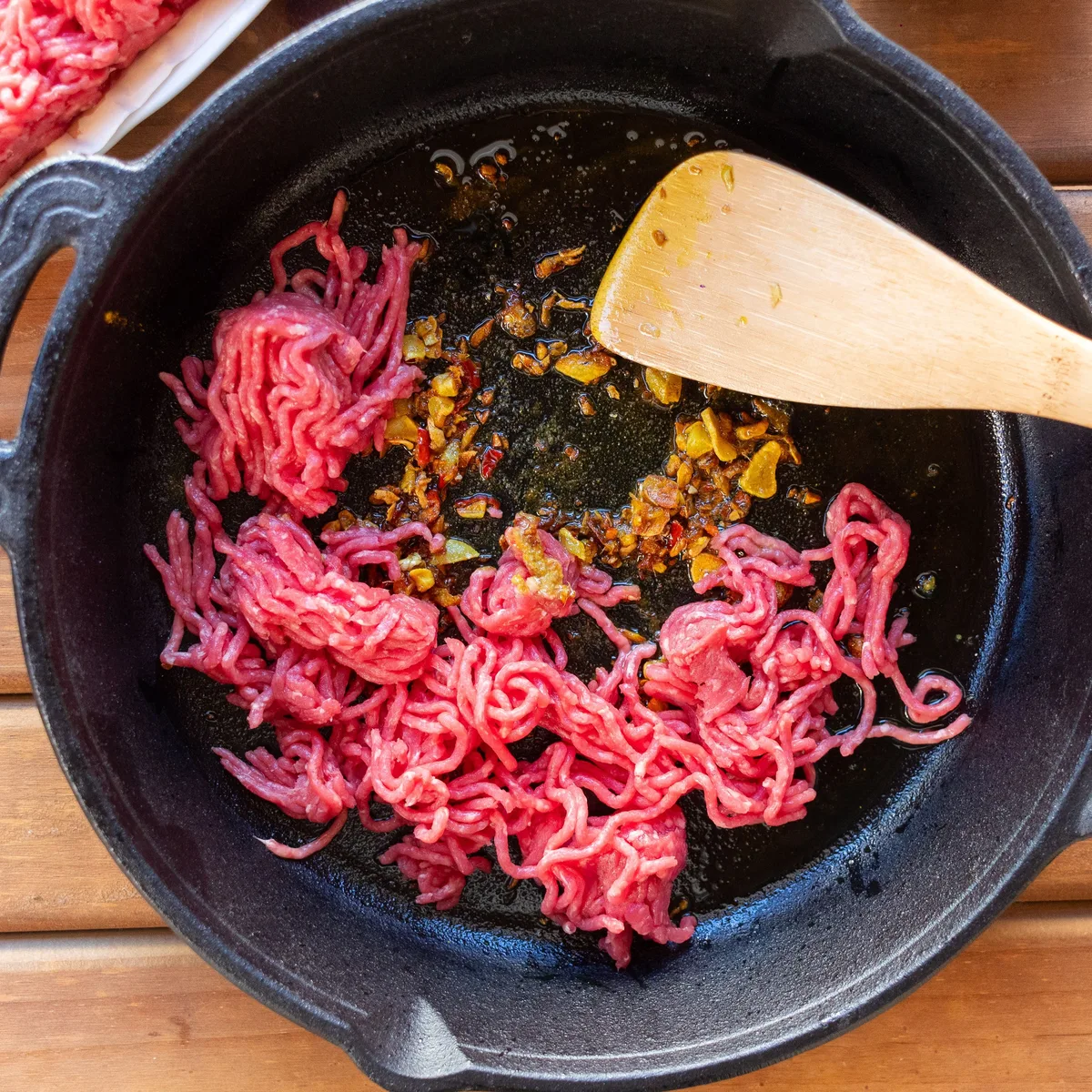
The gray crumble most kitchens produce is steamed beef, and it happens because the meat went into a cold pan and got stirred constantly. Real browning wants three choices made on purpose. The pan is hot before the beef lands, hot enough that the first contact sizzles hard. The meat is pressed flat and left alone for a full three minutes, untouched, until the underside builds a crust. Only then does it get broken up and finished. That crust is flavor no seasoning packet can fake, and it costs nothing but restraint.
On fat: we cook with ninety percent lean for skillets and bowls, and the card counts what the recipe keeps. Where a batch throws more fat than the dish wants, spoon off the excess but leave a slick behind, because seasoning clings to fat and a bone-dry pan makes bland chili.
Skillets and Bowls, 25 to 40 Minutes
Beef and cabbage skillet, 25 minutes. Browned beef, half a head of cabbage sliced thin, garlic, a splash of soy. The cabbage goes in after the crust forms and cooks until its edges catch color. Cheap, fast, and because cabbage firms up rather than collapsing when it is reheated, a strong pick for next-day leftovers.
Taco skillet with charred peppers, 30 minutes. Beef with homemade taco seasoning, blistered peppers and onions, served over shredded lettuce with tomato, avocado and a measured spoon of sour cream. Homemade seasoning matters here: the packet versions run on added starch and sugar, and two minutes with the spice jars beats both.
Korean-style beef bowls, 25 minutes. Beef with garlic, ginger, soy and a counted teaspoon of honey, scallions through at the end, over cauliflower rice or a measured scoop of brown rice, both versions on the card. The honey is small, real and stated, per house policy.
Beef and green bean stir fry, 25 minutes. Crusted beef, beans blistered in the same pan, black pepper and garlic sauce. Beans want visible blisters; pale beans taste raw against beef.
Unstuffed cabbage skillet, 35 minutes. Everything cabbage rolls contain, browned beef, tomato, onion, cabbage, without the hour of rolling. The simmer wants fifteen full minutes so the cabbage goes silky instead of squeaky.
Beef picadillo, 40 minutes. Beef with tomato, olives, peppers and warm spices, an honest Latin American weeknight classic we label as our lightened adaptation, not the original. Diced zucchini stands where potato usually goes, and the olives are the non-negotiable part.
Cheeseburger skillet, 30 minutes. Browned beef, tomato, mustard, pickles and a counted handful of cheddar melted through, over shredded romaine. It is the burger experience by fork, and the full bun conversation lives on the diabetic hamburger recipes page.
Stuffed and Baked, 45 to 60 Minutes
Stuffed bell peppers, 55 minutes. Halved peppers filled with beef, tomato and riced cauliflower, baked covered twenty five minutes and uncovered ten. Halving beats the upright classic: more filling surface browns and the peppers cook evenly instead of raw-shouldered.
Zucchini lasagna skillet bake, 60 minutes. Beef marinara layered with salted, drained zucchini planks and ricotta. The salt-and-drain step is structural; skip it and the bake floods. Full pasta thinking, including where real noodles fit, lives at diabetic pasta recipes.
Mini meatloaves, 45 minutes. Muffin-tin meatloaves with grated carrot and onion in the mix, glazed with a counted spoon of tomato paste thinned with vinegar. Minis finish twenty minutes sooner than a loaf and every portion gets crust.
Beef stuffed zucchini boats, 45 minutes. Seeded zucchini halves, spiced beef, a little feta. Scrape the seed channel dry with a spoon first or the boats water out in the oven.
Soups and a Chili Worth the Name
Beef and vegetable soup, 50 minutes. Browned beef, carrot, celery, cabbage, tomato and stock. The crust from a proper browning is the soup’s backbone; deglaze the fond off the pan floor with the first ladle of stock and scrape like you mean it.
No-bean chili, 60 minutes. Beef, double tomato, three chilies and cumin, simmered low. Bloom the ground spices in the beef fat for thirty seconds before any liquid; raw chili powder tastes like dust and blooms into something entirely different.
Chili with black beans, counted, 60 minutes. The same base with black beans stated plainly on the card at their real values. Beans are food, not contraband; what this site never does is pretend they were not there.
Albondigas-style meatball soup, 55 minutes. Beef meatballs with riced cauliflower standing in for the traditional rice, simmered in a tomato broth with zucchini and carrot, labeled as our adaptation. Chill the shaped meatballs ten minutes before they hit the broth and they hold together.
How the Numbers Work
Every card carries nutrition calculated ingredient by ingredient from USDA FoodData Central with source entries archived, per our editorial policy. Total carbohydrates and fiber appear separately, never as a net figure. Cheese, beans, rice options and the Korean bowl’s teaspoon of honey are all counted at their true values, and where two base options exist the card states both plainly.
The Freezer Is Half This Page
Ground beef is the freezer’s best tenant, raw or cooked, and using it well turns this page into a system. Raw, split the family pack into single-pound flats in zipper bags, pressed thin as a book. A flat thaws under cold water in fifteen minutes, against a day in the fridge for the butcher’s brick shape. Cooked, brown two pounds with onion and garlic whenever you brown one, and freeze the second pound plain, unseasoned past salt. That neutral cooked pound is a head start on the taco skillet, the soup and the unstuffed cabbage, and it drops any of them under twenty minutes.
The chilis and picadillo freeze fully assembled for three months, and the spices keep working while they sit: ground chili and cumin carry their flavor in fat-soluble compounds that go on dissolving into the rendered fat, so the seasoning distributes more evenly the longer the dish rests. Portion them flat in bags rather than in one tub: flats thaw in minutes, stack like files, and let a single cook feed four separate weeknights. The stuffed peppers freeze baked and reheat covered at 350F. What never goes in the freezer: anything zucchini, anything cabbage. Both come back as water wearing a vegetable costume.
Why Browning and Small Loaves Change the Dish
Browning is the Maillard reaction: above roughly 300F the surface proteins and sugars react into hundreds of new flavor compounds, which is why a crusted batch carries seasoning that gray, steamed beef never develops. Beef that goes into a cold pan and gets stirred keeps releasing water and never crosses that temperature, so it leans harder on the salt shaker to make up the flavor the crust would have built for free.
The muffin tin works on surface area. A mini meatloaf exposes far more of its mass to the hot oven than a single loaf does, so the crust-to-interior ratio climbs and every portion gets an edge instead of only the ends. Smaller masses also reach their finished internal temperature sooner, which is why minis are done well before a full loaf.
FAQ
What lean percentage should I buy? Ninety percent lean is the useful default. Fat is what browns and what carries fat-soluble seasoning through the dish, so leaner than that and the crust and the flavour both suffer; fattier and most builds need draining, which pours some of that seasoning down the sink. The card on each recipe counts what the dish keeps, not what the package started with.
Can I substitute ground turkey? In every recipe here, with one adjustment: turkey browns paler and releases more water, so give it a wider pan and an extra two minutes of undisturbed contact. The numbers on the card will shift; treat the USDA-calculated beef versions as the reference.
Which recipes freeze well? The chilis, the soup, the picadillo and the mini meatloaves all freeze for three months. The cabbage and zucchini builds do not; those vegetables surrender their texture on thawing.
Why homemade taco seasoning? Two minutes, five jars you already own, and none of the added starch and sugar the packets lean on. The blend is in the taco skillet card: chili powder, cumin, garlic, onion, oregano, smoked paprika.
What is the fastest dinner on this page? The beef and cabbage skillet at twenty five minutes, and it is also the cheapest. Second place is a tie at twenty five between the Korean bowls and the green bean stir fry.
Where to Go Next
The burger file lives at diabetic hamburger recipes, noodle questions get their answers at diabetic pasta recipes, and the whole section starts from the diabetic recipes pillar.
Written by Frank Thomson, Skillet & Spoon editorial. Every nutrition figure on this site is calculated ingredient by ingredient from the USDA FoodData Central database, never estimated and never rounded to look better. We do not publish net-carb figures or use non-nutritive sweeteners. How we develop and source recipes is set out in our editorial policy.