Birria Tacos with Consome (Beef Birria)
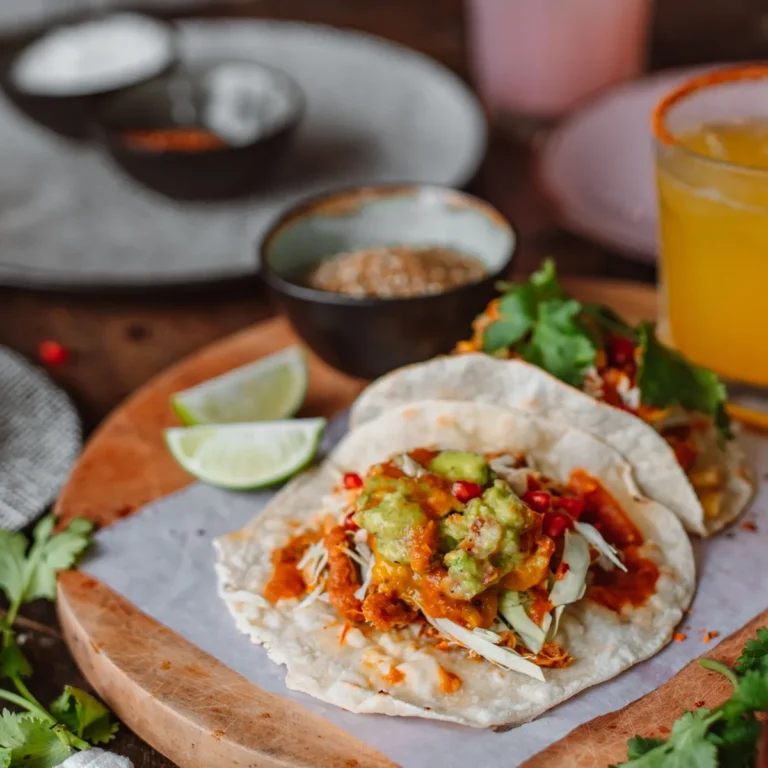
Birria tacos are shredded chile-braised beef folded into a tortilla that has been dipped in the red fat from the braise, then griddled until the edges go crisp, with a cup of the strained cooking broth alongside for dipping. The dip-and-fry step is the whole point, and it is also the easiest step to rush. The recipe card carries the full method with USDA-calculated numbers; this page explains why each stage behaves the way it does.
Ingredients
Method
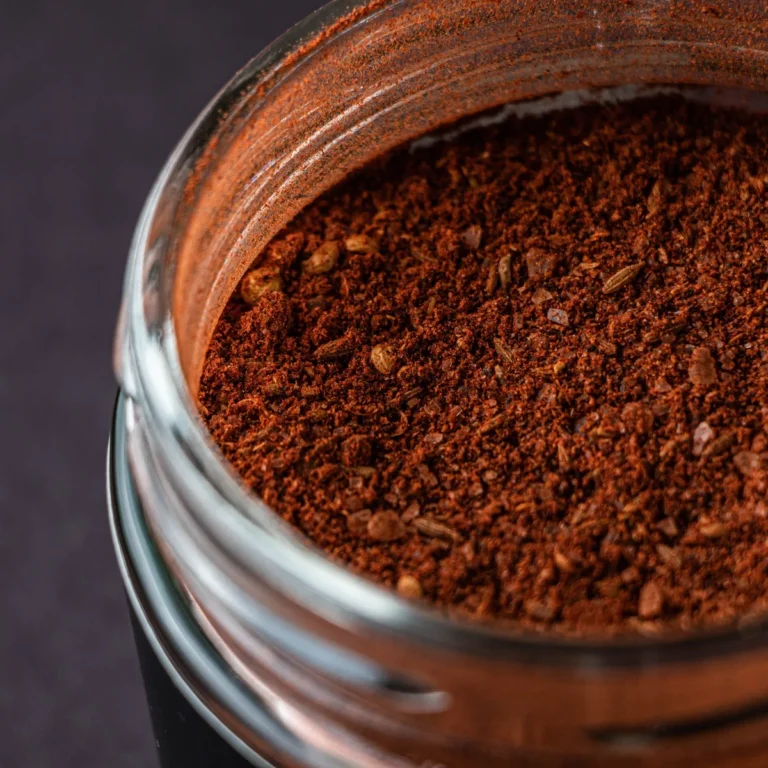
- Toast the stemmed, seeded guajillo and ancho chiles in a dry pan over medium heat for a few seconds a side, just until they smell fragrant and turn slightly pliable. Pull them the moment the smell sharpens, since scorched chile turns the whole pot bitter. Cover them with hot water and soak until soft, about 20 minutes.
- In the same dry pan, char the tomatoes, the halved onion and the garlic over high heat until blackened in patches.
- Blend the softened chiles, the charred vegetables, the vinegar, cumin, oregano, cinnamon, cloves and salt with a cup of the beef broth until completely smooth. Pass the puree through a sieve if you want a silky consome.
- Season the beef chunks with salt and sear them hard in the pot over high heat until browned on at least two sides, working in batches so the pan stays hot.
- Return all the beef to the pot, pour in the chile puree and the remaining broth, add the bay leaves, and bring to a bare simmer. Cover and cook at the lowest steady simmer, or in a 300F oven, for about 3 hours, until the meat pulls apart with no resistance.
- Lift the beef out and shred it. Let the broth settle, then skim the red fat from the surface into a small bowl and keep it. The remaining broth is the consome.
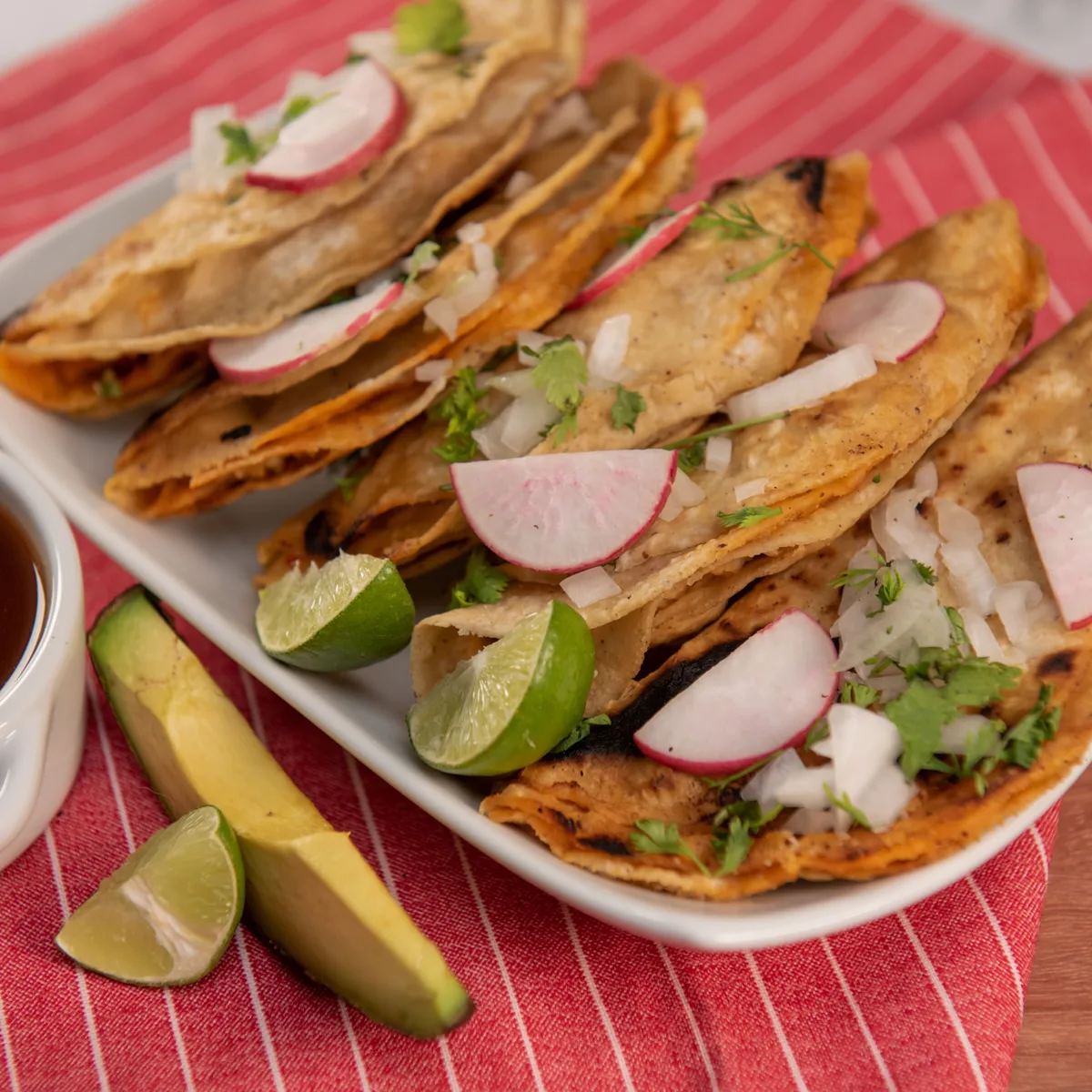
- For each taco, dip a corn tortilla in the reserved red fat, lay it on a hot griddle, add shredded beef and cheese, fold, and fry until the tortilla is crisp and the cheese has melted. Serve with a cup of hot consome for dipping.
What Birria Actually Is, and What These Tacos Are
Birria is a braise from Jalisco, traditionally made with goat and served as a stew in a bowl with its broth, onion, cilantro and lime. The beef version is the common adaptation, and the griddled cheese-filled taco with a cup of consome on the side is a later development from Tijuana that spread through Los Angeles. So this page is honest about what it is: a traditional Jalisco braise, cooked with beef, served in the modern taqueria format rather than the old one. Calling it ancient would be wrong. The braise underneath it is genuinely old.
Why This Recipe Works
- Chuck is the cut, because the connective tissue is the sauce. Chuck is dense with collagen, which stays tough at any short cooking time and only converts to gelatin when held above roughly 160F for hours. That gelatin is what gives the consome its body and what makes the shredded meat feel moist rather than stringy. A lean cut cooked the same way gives you dry shreds and a thin broth, because there was no collagen in it to convert.
- Toasting the chiles is measured in seconds, not minutes. Dried chiles carry sugars that brown quickly and then scorch, and scorched chile is bitter in a way nothing downstream removes. The signal is smell: the moment the aroma turns sharp and nutty, they come out.
- The red fat is an ingredient, not waste. Chile pigments are carotenoids, which are fat soluble, so during the long braise they migrate out of the chiles and into the rendered beef fat. That fat rises and sets on top of the broth, which is why skimming gives you a small bowl of intensely red, chile-flavoured fat. Dipping the tortilla in it is what produces the red rim and the flavour on the outside of the taco.
Ingredient Notes
The chiles. Guajillo carries the colour and a bright, slightly tart note; ancho is darker, sweeter and softer. The pair is the standard backbone. Guajillo has no entry in USDA FoodData Central, so the card counts it as dried ancho and says so under the card rather than quietly averaging the gap away.
The vinegar. A small amount of acid in the braise does two useful things: it balances the sweetness the dried chiles bring, and it keeps the long-cooked beef from tasting flat. Cider vinegar is mild enough not to announce itself. White vinegar works and is sharper, so use a little less.
The warm spices. Cinnamon and cloves in a quarter teaspoon range are background, not foreground. They are there to round the chile, and the moment either is detectable as itself, there is too much.
The tortillas. Corn, and they should be plain. Once dipped in fat and griddled, a corn tortilla firms up and crisps; a flour tortilla goes soft and greasy instead, because it has far more fat and gluten in it already and nothing structural to set.
The cheese. Monterey jack melts smoothly and stays mild. Oaxaca cheese is the traditional choice and behaves almost identically, since both are mild, high-moisture melting cheeses. Use whichever you can find.
The Method, In Short
The card has the full sequence. The shape is: toast and soak the chiles, char the aromatics, blend to a smooth puree, sear the beef, braise everything together for about three hours, shred the meat, and skim the red fat off the broth. Everything up to the skim can be done a day ahead, and the braise is better for it.
The one part worth not rushing is the simmer. It should barely move, with a bubble breaking the surface every second or two. A hard boil does not speed collagen conversion up in any useful way; it agitates the meat fibres so they squeeze out moisture and tighten, which is how you end up with shreds that are simultaneously overcooked and dry.
Building the Taco
Dip the tortilla in the reserved red fat so both faces are coated, lay it flat on a hot griddle, and let it sit for fifteen seconds before anything goes on it. That head start drives off surface moisture so the tortilla can actually crisp rather than steam. Add the beef and cheese to one half, fold, and press lightly. Turn once. The taco is ready when the tortilla holds its own shape when you lift it and the cheese has run to the edges.
A common failure here is overfilling. A crowded taco cannot make contact with the griddle across its whole face, so parts of it stay pale and floppy while the cheese escapes and burns on the pan. Less filling gives a better taco.
What to Serve With It
Consome first, in a small cup, hot, with finely diced onion and chopped cilantro stirred in at the table and a lime wedge on the side. The tacos go straight into it. Beyond that the plate wants very little, because the dish is already rich: a plain salsa with some acid to cut through, and perhaps something simple from Mexican side dish recipes if you are feeding a crowd.
Storage and Reheating
The shredded beef and the strained consome keep four days refrigerated and freeze well for three months, stored separately. Keep the skimmed red fat in its own small container; it sets solid when cold and melts back cleanly. Assembled tacos do not keep at all, because the crisped tortilla softens within minutes of cooling, so griddle them to order. Reheat the beef in a little of the consome rather than dry, so it takes moisture back up instead of drying out further.
Why the Consome Sets to Jelly in the Fridge
Chill the strained broth overnight and it will usually set to a soft, wobbling jelly. This is the clearest confirmation the braise worked. The collagen in the chuck has been converted to gelatin, dissolved into the liquid, and gelatin is precisely the protein that forms a gel as it cools. If your consome stays liquid and thin when cold, it tells you something specific: either the cut was too lean to supply much collagen, or the simmer was too short or too hot for the conversion to finish. It is a check you can run in your own fridge, and it is more reliable than judging the broth hot, when everything looks rich.
FAQ
What cut of beef is best for birria? Chuck roast. It carries enough collagen to give the consome body and to keep the shredded meat moist. Short rib or beef cheek work on the same principle. Lean cuts like round produce dry shreds and a watery broth.
What is the difference between birria and quesabirria? Birria is the braise itself, traditionally served as a stew with its broth. Quesabirria is the taco format: the tortilla dipped in the red fat, filled with the meat and cheese, and griddled crisp. This recipe makes the braise and then the tacos.
Can I make birria in a slow cooker or pressure cooker? Yes. Sear the beef and blend the chile base on the stove first, since neither appliance browns. In a slow cooker, cook on low until the meat shreds with no resistance. In a pressure cooker, cut the liquid back by about a third, because nothing evaporates under pressure.
Why is my birria bitter? The most likely cause is scorched chiles. Dried chiles toast in seconds and burn immediately after, and the bitterness carries through the whole pot. Toast them until they just smell fragrant, and discard any that have turned black.
Do I have to use goat? No. Goat is the traditional Jalisco meat, and beef chuck is the common adaptation and the easiest to find. Both work with this chile base.
What can I do with leftover consome? Cook rice in it instead of water, or use it as the broth for a soup. It is a fully seasoned, gelatin-rich stock.
Where to Go Next
For the brothy Jalisco-style version in a bowl, and its cousins, see Mexican soup recipes. The other long-braised beef on the site is Mexican beef recipes, and the whole weeknight library starts at easy Mexican recipes at home.
Nutrition note: values are calculated from USDA FoodData Central. Where USDA has no exact entry, the closest catalog item is used and named here: dried guajillo chile was calculated as “Peppers, ancho, dried”.
Label note: most of the carbohydrate in this recipe comes from the corn tortillas, calculated here from USDA’s generic entry. Brands vary, and some contain added sugar, so check the label on the one in your kitchen.
Written by Frank Thomson, Skillet & Spoon editorial. Every nutrition figure on this site is calculated ingredient by ingredient from the USDA FoodData Central database, never estimated and never rounded to look better. We do not publish net-carb figures or use non-nutritive sweeteners. How we develop and source recipes is set out in our editorial policy.