
Bariatric Stage 3 Diet Recipes: Soft, Cooked Right
This is cooking content, not medical advice. Stage numbers, their timing and what is cleared within them are defined by your surgical program, and programs differ: nothing here is a schedule and no texture label is a clearance. Patient resources live at asmbs.org, and our medical disclaimer explains how this section is written.
Bariatric stage 3 diet recipes carries the same honest problem as every stage-numbered search: the number is not standard. Programs define their stages differently, sequence them differently and schedule them differently, so a page that promises you what stage 3 is would be describing some other program’s paperwork, not yours. What the search reliably means at the stove is soft food, tender textures past purees but short of a fully regular plate, and that is a genuine cooking category this section has a full technique file for.
The division of labor, stated plainly and then left alone: your program owns the definition, the calendar and the clearances, and its food list outranks this page wherever they differ. The kitchen owns tenderness, and tenderness is teachable.
On this page
What Your Program Owns
The stage’s definition, because stage 3 means different things in different programs’ handbooks. The timing, decided with your chart, not with a search result. The clearances, food by food, including everything named below. When your team’s guidance and any page on this site point different directions, your team wins without discussion, and the patient resources at asmbs.org are the right reading alongside their instructions. If an appointment is coming, the three-question checklist on our recipes for pureed stage of bariatric surgery page adapts to any texture conversation: what is cleared now, whether the program has its own list to cook from, and what to watch and report.
What the Kitchen Owns: Soft, as Technique
Soft is a cooking outcome, not an ingredient list, and the full argument lives at bariatric soft food recipes, organized around the four techniques that produce real tenderness. Gentle heat: eggs scrambled low and folded slow, chicken poached at a shimmer and pulled at 160F, custards set in water baths. The early exit: fish out at the first flake, salmon pulled while the center still looks slightly glassy, jammy eggs stopped at eight minutes in ice water. Moisture built in: salsa chicken shredded into its own liquid, meatballs simmered soft in their sauce, ground turkey cooked tender under a lid. And soft by assembly: tuna salad mashed fine with Greek yogurt, cottage cheese egg salad, the no-heat meals that keep hard days fed.
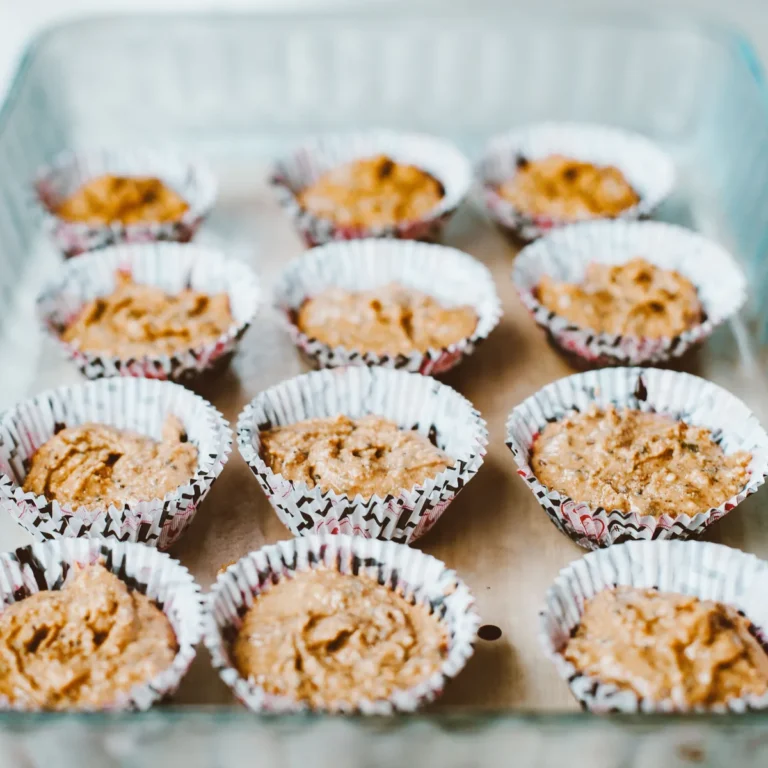
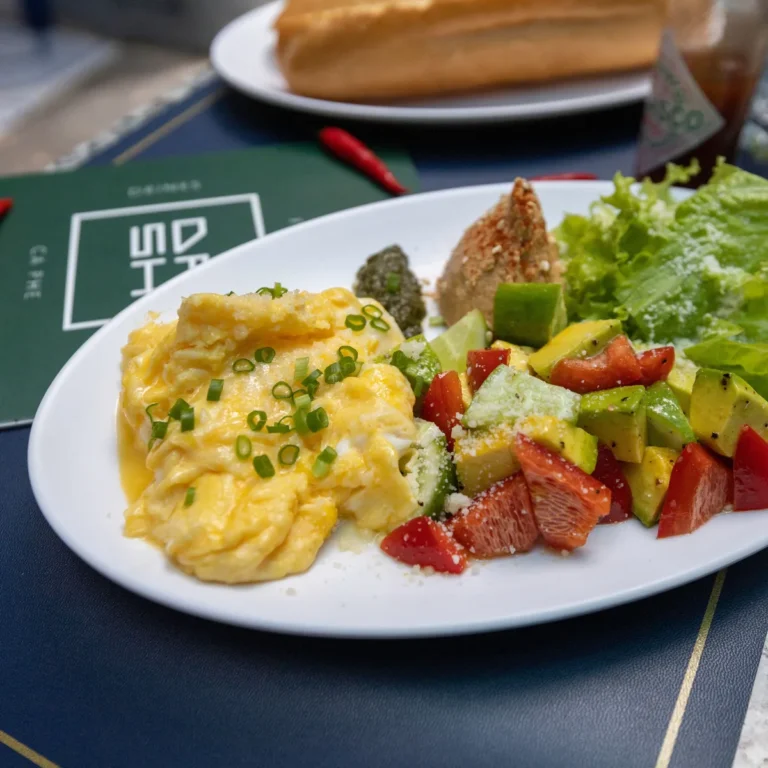
The builds most worth cooking from that file, in the order we would cook them: soft scrambled eggs tonight, because the technique they teach carries half the category. The diabetic salsa chicken pot on the weekend, because it banks soft protein for days. Egg bites from the blended cottage cheese method for the mornings. Poached cod finished in tomato pepper sauce for the dinner that cannot dry out. And the turkey meatballs with their ten extra minutes in the sauce, which soften a full grade past done.
The Fork Test and the Week
One habit carries this whole texture: press the food with the side of a fork before it reaches the table. Genuinely soft food yields without sawing; anything that resists gets five more gentle covered minutes. The test matters twice, because softness drifts in the fridge, day-two chicken firms and meatballs tighten, and gentle reheating with a spoonful of liquid gives most of it back. Run the fork again before serving leftovers; food that passed Sunday should still pass Wednesday.
The week itself runs on the soft food bank from the technique page: two cooked bases, chicken in its liquid and egg bites in their portions, three no-stove assemblies, one simmered pot with half frozen in single servings. It is a stocking pattern, not a calendar, and it exists so that any meal, whenever your day needs one, has three soft answers already within reach.
The Reheat Drift Table
Softness drifts in the fridge, and knowing which direction each food drifts is half of leftover management at this texture. Chicken drifts hardest: shreds stored dry are string by day two, which is why the store-in-liquid rule is absolute, and even wet-stored shreds want their gentle covered rewarm. Meatballs tighten unless they live in their sauce; the sauce is storage as much as it is flavor. Eggs are the least forgiving reheaters in the category, so egg bites get half power in short bursts and scrambles simply get made fresh, ten minutes being cheaper than rubber. Fish does not get a second heating at all in this section’s kitchen; deliberately-extra fillets become tomorrow’s cold flaked lunch instead. On the other side of the ledger, the drift works for you twice: the braised beans, the stews and the picadillo-style turkey all soften and deepen overnight, and the lasagna’s day two is better than its day one. Plan the week with the drift instead of against it, cook-fresh items fresh, improvers banked ahead, and the fork test as the final referee every time something reaches the table twice.
How the Numbers Work
Recipe cards in this section carry nutrition calculated ingredient by ingredient from USDA FoodData Central, protein stated per serving, sources archived, per our editorial policy. Portions, targets and schedules are your program’s numbers; the cards keep your side of that conversation honest.
FAQ
When does stage 3 start and how long does it run? Your program decides both, with your chart in hand, and this page will not guess. Stage systems differ between programs on purpose, which is the whole reason yours is the one to trust.
Are these recipes cleared for stage 3? Texture is not clearance, here or anywhere on this site. The builds above are honestly soft as cooked; whether soft is your current assignment, and which foods within it fit you, belongs to your team.
How is this different from your soft food page? The recipes are the same file, on purpose; this page exists because people search by stage number, and it answers by explaining what the number can and cannot mean before pointing at the cooking. The technique depth lives at bariatric soft food recipes.
Is soft food just pureed food with lumps? No, and the difference is the whole page: soft is cooked tenderness with structure intact, eggs that fold, fish that flakes, meat that yields, where purees are blended past structure entirely. The two categories share storage systems and almost no technique.
What should I cook first? Soft scrambled eggs, tonight, ten minutes. Low heat and the early exit are the two skills the entire category runs on, and one small pan teaches both.
Where to Go Next
The full soft-texture file is at bariatric soft food recipes, the smoother chapter at bariatric puree recipes, and the section’s rules at the bariatric recipes pillar.