14 Pureed Diet Recipes and the Systems Behind Them
This is cooking content, not medical advice. A pureed diet is prescribed and scheduled by your own clinical team, whatever the reason you are eating this way, and their guidance always comes first. For bariatric readers the professional body’s resources live at asmbs.org; our medical disclaimer explains how this section is written.
Pureed diet recipes get searched by people in very different situations, after bariatric surgery, after dental work, through recovery of several kinds, and what everyone shares is the kitchen problem: smooth food, made at home, that a person can face for the third meal in a row. This page is built around that problem. Fourteen smooth builds sit at the center, and around them the systems that decide whether the texture is livable: the equipment shortlist, the batch bank, the reheating rules. What this page never does is schedule anyone’s eating; whatever brought you to this texture, the timing and the clearance belong to your clinical team.
The bariatric-specific technique file lives at bariatric puree recipes; this page is the broader systems view, and the two share their rules.
On this page
The Equipment Shortlist
Three tools decide texture quality, and none is expensive. A blender of any honest competence, because blade time substitutes for blade quality: ninety seconds past looking-done closes most of the gap between machines. A fine mesh strainer, the single cheapest upgrade in this category, catching the fibers that read as grit on the tongue. And ice cube trays, which are storage, portioning and variety insurance in one drawer. An immersion blender earns its place for soups blended in the pot, with one caveat: it plateaus sooner than a jar blender, so strain its output where silkiness matters.
The Fourteen Builds
Blended chicken soup. Poached thighs blended into strained broth with soft onion. Thigh blends rich where breast blends pasty, and warm blends smoother than cold.
Red lentil puree with lemon. The house lentil pot at diabetic red lentil soup, blended fully, strained, lemon in off the heat. Protein and body from one bag of pantry staples.
Silky butternut soup. Roasted first, blended with a spoon of tahini, strained. Roasting is where the flavor comes from; skip it and the bowl tastes like the stereotype.
Creamy cauliflower and yogurt. Simmered soft, blended, Greek yogurt folded in off the heat where it cannot split.
Whipped cottage cheese, sweet and savory. One tub, two directions: chives and lemon, or a measured half cup of berries. The blender deletes the curds that were the whole objection.
Ricotta custard cups. Ricotta and egg, water-bathed at 325F until barely set. The gentlest protein on the page and the closest thing this texture has to dessert with structure.
White bean and garlic puree. Beans, soft-cooked garlic, broth to flow, strained. Cook the garlic first; raw garlic grows in the fridge overnight.
Carrot ginger puree. Fully soft carrots, a small knob of ginger, long blend. Warmth, not heat, is the target reading.
Blended turkey and tomato. Simmered gentle, blended smooth, cumin bloomed in the pot before the liquid went in. Bloomed spice is the difference between seasoned and dusty at this texture.
Zucchini white bean blend. The mild option, properly salted, because mild and bland are different words.
Pea and mint puree. Frozen peas, blended hot with a few mint leaves, strained without apology; pea skins are exactly what strainers are for. The brightest green thing in this category.
Real applesauce. Peeled apples, splash of water, simmer, blend, cinnamon after. Fruit sweetness counted at its real values, house policy.
Greek yogurt berry smooth. Blended, sieved, cold. Seeds are the enemy this sieve exists for.
Banana ricotta whip. Ripe banana blended with ricotta and vanilla. Two minutes, honest sweetness, real protein, and it converts the day’s worst appetite more often than anything else here.
The Batch Bank
The system that makes this texture sustainable is the one this section repeats until it sticks: cook once, freeze in ice cube trays, bag flat, label with name and date. A cube or two warms gently in a small pan in minutes, which means Tuesday can eat four different things without cooking four different times. Rotate three savory builds and two sweet ones through the bank and the week has variety by default. The labeling is not optional bookkeeping: a freezer of anonymous beige bags is how good systems die, and the bank that saves you is the one you can read at a glance.
Reheating Without Ruining
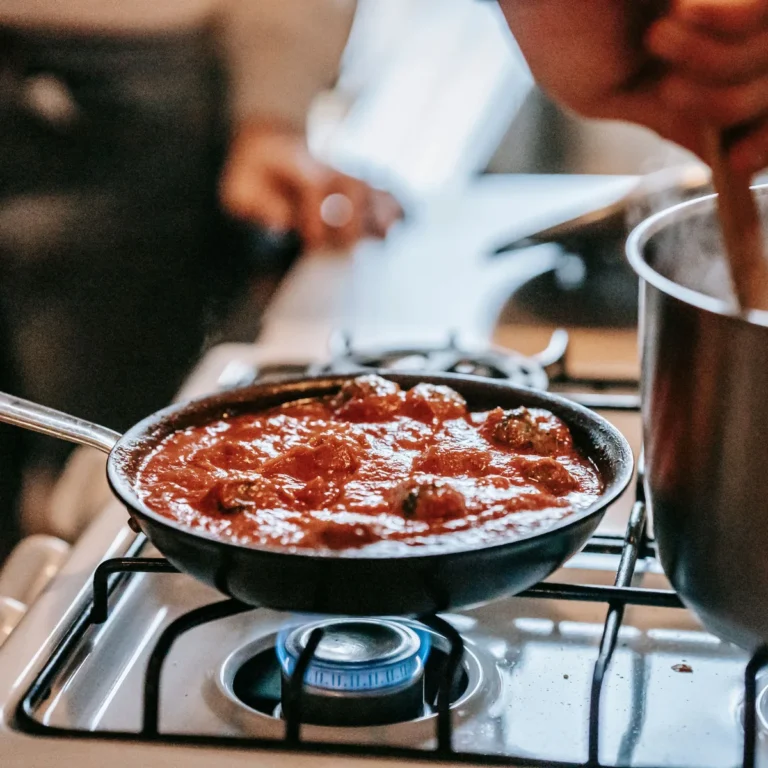
Blended textures show every reheating sin, so the rules are strict and short. Low heat, small pan, frequent stirring beats the microwave every time it is available. When the microwave is the tool, half power in short bursts with stirs between, because full power boils the edges while the center stays cold and blended food hides no unevenness. Yogurt and ricotta builds do not reheat at all; they are cold food, and holding them cold is the recipe. And every reheated puree gets re-tasted for salt and acid, because the fridge mutes both and thirty seconds of adjustment brings a day-old cube back to cooked-today.
Flavor Rules, Compressed
Season after blending, never before. Acid off the heat, lemon and lime doing their loudest work in the finished bowl. Fat carries flavor at this texture, which is why the tahini, yogurt and ricotta builds outperform their water-thin cousins. Serve hot things hot and cold things cold; lukewarm is where this texture goes to confirm every prejudice against it. The full technique file, including the blender-safety rule that every kitchen learns exactly once, lives at bariatric puree recipes.
What You Do Not Need to Buy
The pureed-food aisle of the internet sells hard, so here is the counter-list, offered with the same confidence as the equipment shortlist. You do not need a high-end blender; blade time and a strainer close the gap, as stated above, and we have produced silk from machines that cost less than the strainer’s fancy cousins. You do not need single-purpose baby food makers, which are small blenders with a steamer basket and a markup. You do not need commercial thickening powders for the recipes on this page; the builds here get body from beans, lentils, dairy, tahini and reduction, which are foods with USDA entries rather than additives with proprietary blends, and anything a clinician specifically prescribes for you is, as always, their call and outside this page’s lane. And you do not need special storage systems beyond the ice cube trays and freezer bags already in the drawer. The whole equipment bill for doing this texture well, assuming an ordinary blender already exists in the kitchen, is a fine mesh strainer and a second set of trays. Skepticism at the checkout is part of the system too; a category built around recovery attracts products built around urgency, and the kitchen that works is mostly the kitchen you already own.
How the Numbers Work
Recipe cards in this section carry nutrition calculated ingredient by ingredient from USDA FoodData Central, protein stated per serving, sources archived, per our editorial policy. No schedules, no portion instructions, no daily targets: those belong to your clinical team, whatever brought you to this texture, and for bariatric readers the professional body’s patient resources at asmbs.org carry the staging side properly.
FAQ
How long will I be eating pureed food? Your clinical team’s question, and this page refuses it on purpose: programs and situations differ, and any site giving you a duration is guessing with your health. We make the texture livable; your team decides its calendar.
Are these recipes cleared for my situation? A texture label describes food; it does not clear it for anyone. These builds are honestly smooth as written, and matching them to your guidance is a conversation between you and your team.
What is the fastest path to variety? The batch bank: five builds frozen in cubes gives you twenty-plus combinations of two, warmed together in one small pan. Variety is a freezer layout, not a cooking marathon.
My purees are gritty no matter what. What am I missing? The strainer, almost certainly, and blade time second. Ninety seconds past looks-done, then thirty seconds of pushing through fine mesh, rescues the output of very ordinary blenders.
Do I need special recipes or can I blend normal food? Broth-based and braised dishes blend beautifully; anything built on crust or chew loses its point in the jar. The builds above were designed for the texture rather than demoted to it, which is why they eat like food instead of like compromise.
Where to Go Next
The bariatric-specific technique file is at bariatric puree recipes, the full texture-grouped collection at bariatric diet recipes, and the section’s rules at the bariatric recipes pillar.